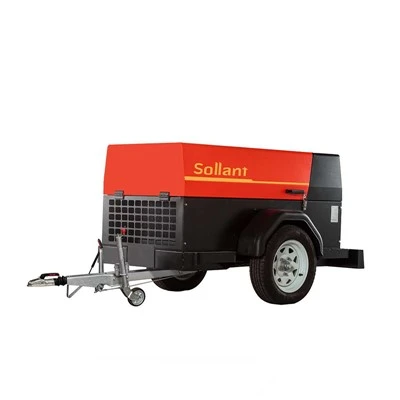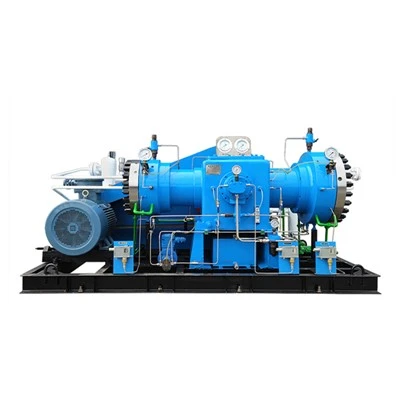
High - altitude areas present a unique set of challenges for high - pressure reciprocating compressors. As a supplier of high - pressure reciprocating compressors, I have witnessed firsthand the importance of implementing appropriate adaptability measures to ensure the efficient and reliable operation of these machines in such demanding environments.
Understanding the Challenges in High - Altitude Areas
The most significant factor in high - altitude areas is the low air density. As altitude increases, the atmospheric pressure decreases, resulting in less oxygen per unit volume of air. This has a direct impact on the performance of high - pressure reciprocating compressors.
The compressor's intake process is affected by the reduced air density. Since the compressor draws in air to compress it, less air mass is available at high altitudes compared to sea - level conditions. This means that the compressor may not be able to achieve the same volumetric flow rate as it would at lower altitudes. As a result, the compressor's output capacity is reduced, and it may struggle to meet the required pressure and flow demands of the system.
Another challenge is the lower ambient temperature in high - altitude areas. Cold temperatures can affect the lubrication system of the compressor. Lubricating oils may become more viscous in cold conditions, which can lead to poor lubrication and increased wear on the compressor's moving parts. Additionally, the seals and gaskets in the compressor may become brittle in cold temperatures, increasing the risk of leakage.
Adaptability Measures
Compressor Design Modifications
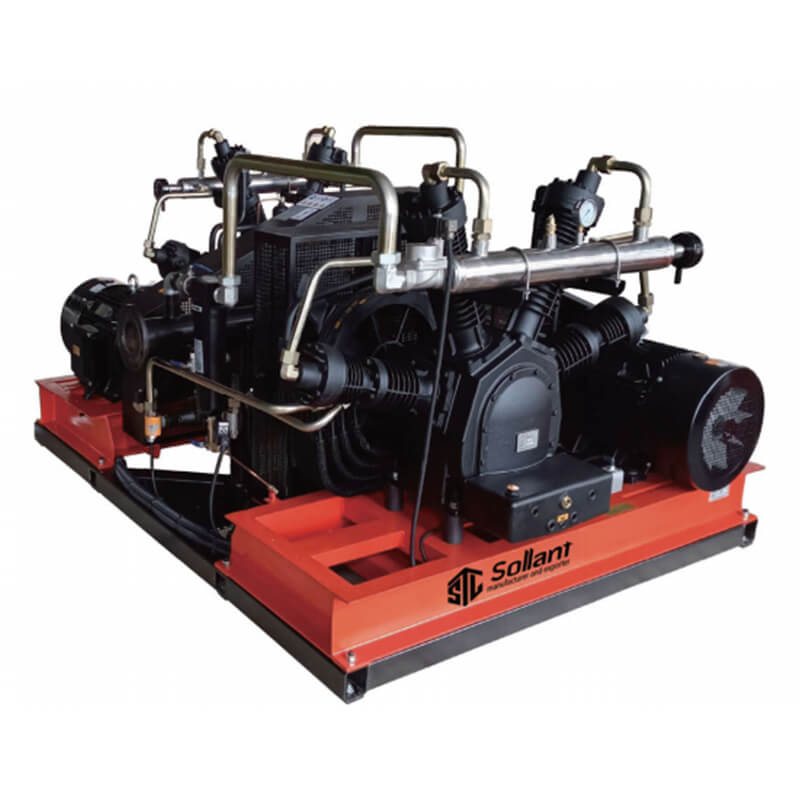
One of the primary adaptability measures is to modify the compressor's design to account for the low air density. This can involve increasing the size of the intake valves and ports. By enlarging these components, the compressor can draw in more air during the intake stroke, compensating for the reduced air density. For example, our High Pressure Combi Booster Air Compressor can be customized with larger intake valves to improve its performance in high - altitude areas.
Increasing the compression ratio is another design modification. A higher compression ratio allows the compressor to achieve the required output pressure even with a lower intake air density. However, this approach needs to be carefully balanced, as increasing the compression ratio too much can lead to higher temperatures and increased stress on the compressor components.
Cooling System Adjustments
High - altitude areas often have lower ambient temperatures, but the compressor's cooling system still needs to be adjusted. The reduced air density means that the heat transfer rate is lower, as there are fewer air molecules to carry away the heat. To compensate for this, the cooling system may need to be upgraded. This can include increasing the size of the radiator or adding additional cooling fins to improve heat dissipation.
For our 15KW Oil - Free Booster Compressor, we can offer an enhanced cooling package that is specifically designed for high - altitude operation. This package includes a larger radiator and more efficient fans to ensure that the compressor remains within the optimal operating temperature range.

Lubrication System Improvements
The lubrication system is crucial for the smooth operation of high - pressure reciprocating compressors, especially in high - altitude areas. As mentioned earlier, cold temperatures can cause the lubricating oil to become more viscous. To address this, we recommend using low - viscosity lubricating oils that are specifically formulated for cold - weather operation. These oils maintain their fluidity at low temperatures, ensuring proper lubrication of the compressor's moving parts.
Regular oil analysis is also essential. By monitoring the oil's properties, such as viscosity, acidity, and contamination levels, we can detect any potential issues early and take corrective action. This helps to prevent premature wear and damage to the compressor components.
Control System Upgrades
A modern control system can play a vital role in adapting high - pressure reciprocating compressors to high - altitude conditions. The control system can monitor various parameters, such as intake pressure, temperature, and compressor speed, and adjust the compressor's operation accordingly.
For example, if the intake pressure is lower than normal due to high altitude, the control system can increase the compressor speed to maintain the required output pressure. Our 22KW High Pressure Booster Compressor is equipped with an advanced control system that can automatically adjust the compressor's operation based on the operating conditions.
Case Studies
We have implemented these adaptability measures in several high - altitude projects. In one project in a mountainous region at an altitude of over 3000 meters, a customer was experiencing significant performance issues with their existing compressor. The compressor was unable to achieve the required pressure and flow rate, and the operating temperature was too high.
We provided a customized solution for the customer. We modified the compressor's design by increasing the size of the intake valves and ports and adjusting the compression ratio. We also upgraded the cooling system and installed a more advanced control system. After the modifications, the compressor's performance improved significantly. It was able to achieve the required pressure and flow rate, and the operating temperature was within the acceptable range.
Conclusion
High - altitude areas pose unique challenges for high - pressure reciprocating compressors, but with the right adaptability measures, these challenges can be overcome. By modifying the compressor's design, adjusting the cooling and lubrication systems, and upgrading the control system, we can ensure that the compressor operates efficiently and reliably in high - altitude environments.
If you are looking for high - pressure reciprocating compressors for high - altitude applications, we are here to help. Our team of experts can provide customized solutions based on your specific requirements. Contact us today to discuss your project and explore how our compressors can be adapted to meet the challenges of high - altitude areas.
References
- ASME PTC 9 - 2004, Performance Test Code on Reciprocating Compressors and Vacuum Pumps.
- API 618, Reciprocating Compressors for General Refinery Service.
- ISO 10440 - 1:2007, Reciprocating positive - displacement compressors - Vocabulary and classification.