Hey there! As a supplier of high-pressure breathing air compressors, I often get asked about the difference between single-stage and multi-stage high-pressure breathing air compressors. So, I thought I'd write this blog to break it down for you in a simple and easy-to-understand way.
How Compressors Work
First off, let's quickly go over how these compressors work. The main job of a high-pressure breathing air compressor is to take in air from the environment and compress it to a much higher pressure. This compressed air can then be used for various applications, like filling scuba tanks, supplying air to firefighters' respirators, and more.
Single-Stage High-Pressure Breathing Air Compressors
A single-stage compressor does exactly what it sounds like - it compresses the air in one single step. The air is drawn into the compressor through an intake valve. Then, a piston moves down, creating a low-pressure area that allows the air to flow in. Once the piston moves back up, it compresses the air in the cylinder. The compressed air is then pushed out through a discharge valve and into a storage tank or directly to where it's needed.
One of the biggest advantages of single-stage compressors is their simplicity. They have fewer parts compared to multi-stage compressors, which means there's less that can go wrong. This simplicity also makes them generally more affordable upfront. If you have a small-scale operation or don't need extremely high pressures, a single-stage compressor might be a great choice.
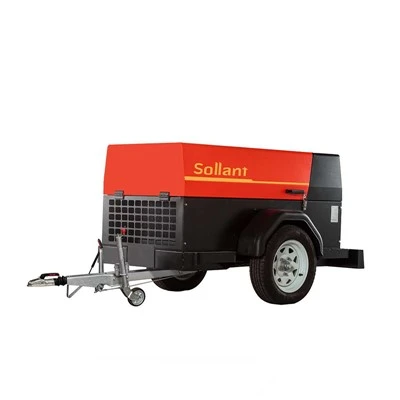
For example, if you're a hobbyist scuba diver who fills your own tanks at home occasionally, a single-stage compressor could work just fine. It can get the job done without breaking the bank. We offer the SLT-300 Respirator Air Pump High Pressure Air Compressor, which is a great single-stage option for such applications. It's compact, easy to use, and provides reliable performance for small-scale air compression needs.
However, single-stage compressors do have their limitations. When compressing air in one go, the air gets really hot. High temperatures can cause wear and tear on the compressor parts and also reduce the efficiency of the compression process. Also, single-stage compressors usually can't achieve extremely high pressures. They're typically limited to around 150 - 200 psi (pounds per square inch). So, if you need higher pressures, you might run into problems with a single-stage compressor.
Multi-Stage High-Pressure Breathing Air Compressors
Now, let's talk about multi-stage compressors. These compressors compress the air in multiple steps or stages. In a two-stage compressor (which is the most common type of multi-stage compressor), the air is first compressed in the first stage. Then, it's sent to an intercooler. The intercooler cools down the air, which makes it denser and easier to compress further. After cooling, the air goes into the second stage, where it's compressed again to an even higher pressure.
The main advantage of multi-stage compressors is their ability to achieve much higher pressures. They can easily reach pressures of 3000 psi or more, which is essential for applications like filling high-pressure scuba tanks or supplying air to industrial respirators. The intercooling process also helps to keep the temperatures down, which reduces wear on the compressor parts and improves overall efficiency.
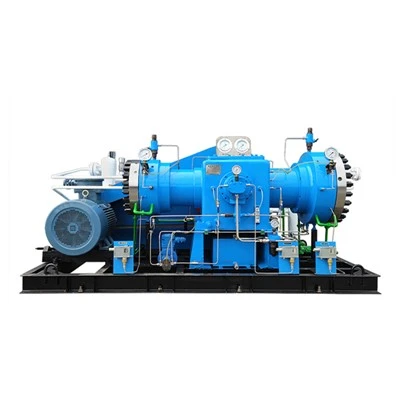
If you're running a professional scuba diving shop or a fire department that needs to fill multiple high-pressure respirator tanks regularly, a multi-stage compressor is the way to go. Our SLT-720 Respirator Air Pump High Pressure Compressor is a top-of-the-line multi-stage compressor that can handle high volumes of air compression at very high pressures. It's built to last and is designed for heavy-duty use.
Another benefit of multi-stage compressors is their energy efficiency. Since the intercooling process makes it easier to compress the air in the later stages, the compressor doesn't have to work as hard. This means it uses less energy over time, which can save you money on your electricity bills in the long run.


But, as you might expect, multi-stage compressors come with some drawbacks. They're more complex machines with more parts, which means they're generally more expensive upfront. They also require more maintenance because of their complexity. You need to make sure the intercooler is working properly and that all the seals and valves are in good condition.
Comparing Performance
When it comes to performance, multi-stage compressors clearly have the edge in terms of pressure and efficiency. But that doesn't mean single-stage compressors are useless. If your pressure requirements are low and you're on a tight budget, a single-stage compressor can still do the job.
Let's look at an example. Say you have a small rescue team that needs to fill respirator tanks for occasional operations. If they don't need extremely high pressures and don't fill a large number of tanks, a single-stage compressor like our SLT-300 Respirator Air Pump High Pressure Air Compressor would be sufficient. On the other hand, a large industrial facility that needs to supply high-pressure air to multiple workstations continuously would benefit from a multi-stage compressor like the SLT-720 Respirator Air Pump High Pressure Compressor.
Maintenance
Maintenance is an important factor to consider when choosing between single-stage and multi-stage compressors. As mentioned earlier, single-stage compressors are simpler and have fewer parts, so they're generally easier to maintain. You mainly need to keep an eye on the piston rings, valves, and the air filter. Regularly changing the oil and checking the seals can help keep the compressor running smoothly.
Multi-stage compressors, on the other hand, require more in-depth maintenance. In addition to the basic maintenance tasks like changing the oil and checking the seals, you also need to pay special attention to the intercooler. The intercooler can get clogged with dirt and debris over time, which can reduce its efficiency. You need to clean it regularly to make sure it's working properly.
Noise Levels
Noise is another aspect to think about. Single-stage compressors tend to be noisier because they compress the air in one big burst. The rapid compression creates more vibrations and noise. Multi-stage compressors, with their more gradual compression process, are usually quieter. If you're using the compressor in an area where noise is a concern, like a residential neighborhood or a hospital, a multi-stage compressor might be a better choice.
Which One Should You Choose?
So, how do you decide which type of compressor is right for you? It all comes down to your specific needs. Here are some questions to ask yourself:
- What pressure do you need? If you only need pressures up to 200 psi, a single-stage compressor could work. But if you need pressures of 3000 psi or more, you'll need a multi-stage compressor.
- How often will you use the compressor? If it's for occasional use, a single-stage compressor might be enough. But for continuous, heavy-duty use, a multi-stage compressor is the way to go.
- What's your budget? Single-stage compressors are generally cheaper upfront, but multi-stage compressors can save you money on energy costs in the long run.
If you're still not sure, don't hesitate to reach out to us. We have a team of experts who can help you figure out which compressor is the best fit for your situation. We also offer the SLT-400 Respirator Air Pump High Pressure Compressor, which is a great option that offers a good balance between performance and cost.
Conclusion
In conclusion, both single-stage and multi-stage high-pressure breathing air compressors have their own unique advantages and disadvantages. Single-stage compressors are simple, affordable, and great for low-pressure, small-scale applications. Multi-stage compressors, on the other hand, can achieve higher pressures, are more energy-efficient, and are better suited for large-scale, heavy-duty operations.
If you're in the market for a high-pressure breathing air compressor, take the time to evaluate your needs and consider the factors we've discussed. And if you have any questions or want to discuss your options further, we're here to help. Contact us today to start the conversation about finding the perfect compressor for your needs.
References
- Compressed Air and Gas Handbook, Industrial Press Inc.
- Principles of Refrigeration, Delmar Cengage Learning