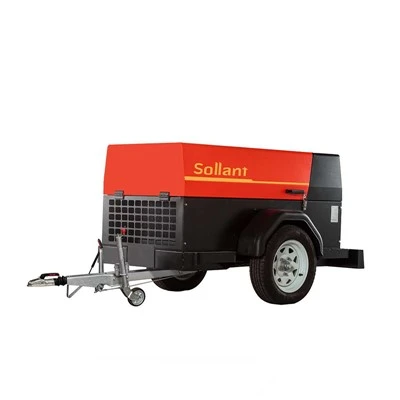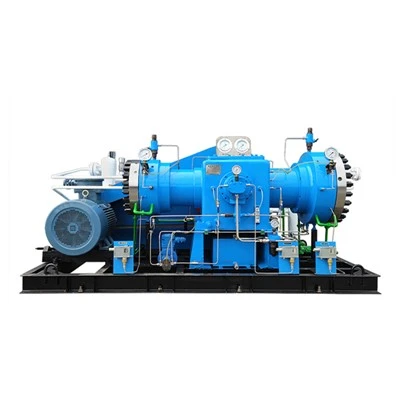
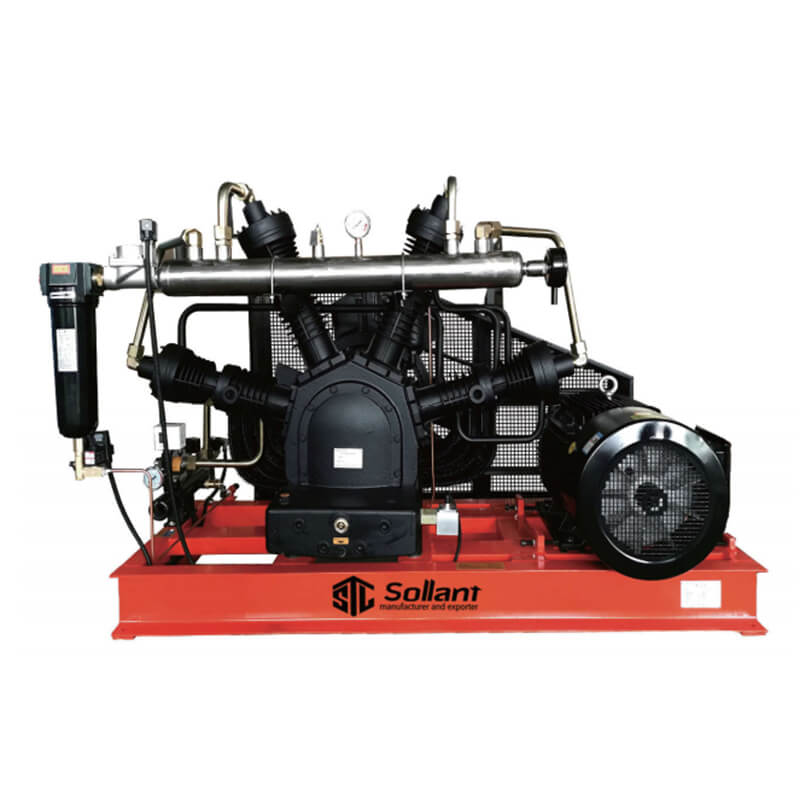
High Pressure Combi Booster Air Compressors are indispensable assets in numerous industrial applications, providing a reliable source of high - pressure air. However, like any complex machinery, they are prone to several common failures. As a supplier of these compressors, I have encountered and addressed various issues in the field and through customer feedback. In this blog, I will delve into the common failures of High Pressure Combi Booster Air Compressors, their root causes, and potential solutions.
1. Insufficient Pressure Output
One of the most frequently reported problems is the compressor's inability to reach or maintain the desired high pressure. This can significantly impact the efficiency of operations that rely on a consistent high - pressure air supply.
Root Causes
- Worn Seals: Over time, the seals within the compressor can wear out due to high - pressure and friction. This leads to air leakage, reducing the overall pressure output. For example, piston seals in reciprocating compressors are particularly susceptible to wear.
- Clogged Air Filters: Air filters are designed to prevent dust and debris from entering the compressor. When they become clogged, the airflow is restricted, which in turn affects the compressor's ability to compress air effectively.
- Malfunctioning Valves: The intake and discharge valves play a crucial role in the compression process. If these valves do not open or close properly, it can disrupt the air - intake and - discharge cycles, resulting in low pressure.
Solutions
- Seal Replacement: Regularly inspect the seals and replace them at the first sign of wear. Using high - quality seals can extend their lifespan and improve the compressor's performance.
- Filter Maintenance: Establish a routine filter - cleaning or replacement schedule. This will ensure unrestricted airflow and optimal compressor operation.
- Valve Repair or Replacement: A malfunctioning valve may require either repair or complete replacement. Professional maintenance technicians can accurately diagnose valve issues and perform the necessary repairs.
2. Overheating
High - pressure compressors generate a significant amount of heat during operation. However, when the compressor overheats, it can lead to serious damage and downtime.
Root Causes
- Lack of Lubrication: Lubricants help reduce friction between moving parts and dissipate heat. If the lubricant level is low or the lubricant has degraded, friction increases, leading to excessive heat generation.
- Poor Ventilation: Insufficient ventilation in the compressor room or around the compressor itself can prevent proper heat dissipation. Heat builds up, causing the compressor to overheat.
- Over - Compression: Operating the compressor at a pressure higher than its rated capacity can cause excessive heat generation. This can occur due to incorrect settings or a malfunction in the pressure - regulating system.
Solutions
- Lubrication Checks: Regularly monitor the lubricant level and quality. Change the lubricant at recommended intervals to ensure optimal performance.
- Ventilation Improvement: Ensure that the compressor is installed in a well - ventilated area. Consider adding fans or ventilation ducts if necessary to improve air circulation.
- Pressure Regulation: Check and adjust the pressure settings to ensure that the compressor operates within its rated capacity. Install a reliable pressure - regulating device to prevent over - compression.
3. Excessive Noise
Unusual or excessive noise from the compressor is a common sign of underlying problems. It can not only be a nuisance but also indicate potential damage.
Root Causes
- Loose Components: Vibration during operation can cause components to become loose. This includes bolts, nuts, and other fasteners. As these loose parts move, they create rattling or knocking noises.
- Worn Bearings: Bearings are essential for the smooth rotation of the compressor's moving parts. When bearings wear out, they can produce a grinding or screeching noise.
- Mechanical Interference: Parts within the compressor may come into contact with each other due to misalignment or wear. This interference can result in loud banging or scraping sounds.
Solutions
- Component Tightening: Regularly inspect and tighten all components to prevent them from coming loose. Use a torque wrench to ensure that fasteners are tightened to the correct specifications.
- Bearing Replacement: If worn bearings are detected, they should be replaced immediately. Using high - quality bearings can reduce the likelihood of premature failure.
- Alignment and Adjustment: Have a professional technician check for mechanical interference and realign or adjust the components as necessary.
4. Oil Contamination in the Compressed Air
In air - quality - sensitive applications, oil contamination in the compressed air can be a major issue.
Root Causes
- Worn Oil - Sealing Mechanisms: Seals that are designed to keep oil within the compressor can wear out over time, allowing oil to leak into the compressed - air stream.
- High Oil Levels: If the oil level in the compressor is too high, it can be carried over into the air during compression.
- Faulty Separation Systems: The oil - separation system is responsible for removing oil from the compressed air. If this system fails, oil can remain in the air.
Solutions
- Seal Replacement: Inspect and replace worn oil - sealing mechanisms promptly. This will prevent oil from leaking into the compressed - air system.
- Oil Level Management: Maintain the oil level within the recommended range. Regularly check the oil level and add or drain oil as needed.
- Separation System Maintenance: Periodically service the oil - separation system, including replacing filters and inspecting the separator element.
5. Electrical Failures
Electrical components are critical for the operation of High Pressure Combi Booster Air Compressors. Electrical failures can lead to the compressor not starting or shutting down unexpectedly.
Root Causes
- Faulty Wiring: Over time, wiring can become damaged due to vibration, heat, or physical stress. This can cause short circuits, open circuits, or intermittent electrical connections.
- Malfunctioning Control Panels: The control panel is responsible for regulating the compressor's operation. If the control panel malfunctions, it can lead to improper start - up, shutdown, or pressure regulation.
- Defective Motors: The compressor motor can fail due to overheating, electrical surges, or mechanical problems. A failed motor will prevent the compressor from running.
Solutions
- Wiring Inspection and Repair: Regularly inspect the wiring for signs of damage. Replace any damaged wires and ensure that all connections are secure.
- Control Panel Maintenance: Have the control panel serviced by a qualified technician. This includes checking for loose connections, calibrating sensors, and updating software if applicable.
- Motor Replacement or Repair: If the motor is defective, it may need to be repaired or replaced. Consult a professional to determine the best course of action.
Our Product Offerings
As a supplier, we offer a range of High Pressure Combi Booster Air Compressors to meet various industrial needs. Check out our 15KW High Pressure Booster Air Compressor, 75 - 110KW Oil - Free Booster Compressor, 30 - 55KW Oil - Free Booster Air Compressor, 30KW High Pressure Booster Air Compressor, and 22KW High Pressure Booster Compressor.
If you are experiencing any of the common failures mentioned above or are looking to purchase a new High Pressure Combi Booster Air Compressor, we are here to assist you. Our team of experts can provide you with professional advice on maintenance, troubleshooting, and product selection. Contact us to start a procurement discussion and find the best solution for your industrial air - compression needs.

References
- Compressed Air and Gas Institute (CAGI). Compressed Air Handbook.
- ASME Boiler and Pressure Vessel Code, Section VIII, Division 1.
- Manufacturer's manuals for High Pressure Combi Booster Air Compressors.