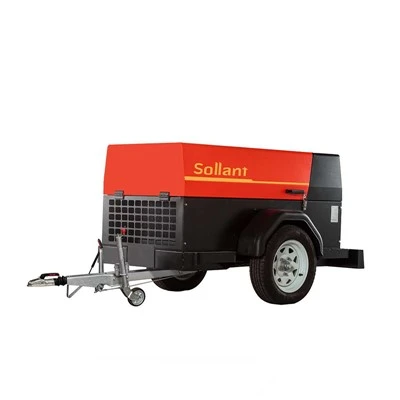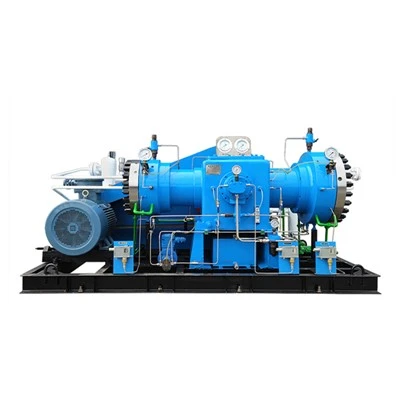
Hey there! As a supplier of oil free air compressors, I've seen firsthand how crucial it is to keep these machines running at peak efficiency. Whether you're using them in a small workshop or a large industrial setting, an efficient air compressor can save you time, money, and a whole lot of headaches. So, let's dive into some practical ways to improve the efficiency of an oil free air compressor.
Regular Maintenance
First things first, regular maintenance is the key to keeping your air compressor in tip - top shape. It's like taking your car in for a tune - up. You should check the filters regularly. Clogged filters can restrict the airflow, making the compressor work harder than it needs to. Replace the intake filters at least once a year, or more often if you're operating in a dusty environment.
Another important part of maintenance is checking the belts for wear and tear. Loose or worn belts can slip, which reduces the power transfer to the compressor. If you notice any signs of damage or excessive slack, replace the belts right away. And don't forget about the cooling system. Overheating can cause major problems for your compressor, so make sure the cooling fins are clean and the fans are working properly.
Proper Sizing
One of the biggest mistakes people make is using an air compressor that's either too big or too small for their needs. If the compressor is too big, it will consume more energy than necessary. On the other hand, if it's too small, it will have to run continuously to meet the demand, which can lead to premature wear and tear.
When choosing an air compressor, consider the air requirements of your tools and equipment. Look at the cubic feet per minute (CFM) rating and the pounds per square inch (PSI) requirements. Make sure the compressor you select can provide enough air at the right pressure. If you're not sure, consult with a professional or check out the manufacturer's recommendations.
System Design
The way your air compressor system is designed can also have a big impact on its efficiency. For instance, try to keep the air lines as short and straight as possible. Long, winding air lines can cause pressure drops, which means the compressor has to work harder to maintain the desired pressure.
Installing a proper air storage tank can also help. The tank acts as a buffer, storing compressed air and reducing the number of times the compressor has to start and stop. This not only saves energy but also extends the life of the compressor. Aim for a tank size that's appropriate for your usage, usually around 6 - 10 gallons per CFM of your compressor's output.
Smart Controls
Investing in smart controls for your air compressor can pay off in the long run. These controls can adjust the compressor's speed and output based on the actual air demand. For example, variable speed drive (VSD) compressors can automatically slow down when the demand for air is low and speed up when it increases. This can result in significant energy savings, especially in applications where the air demand fluctuates.
Some smart controls also offer remote monitoring capabilities. You can keep an eye on the compressor's performance, receive alerts if there are any issues, and even make adjustments from your smartphone or computer. This level of control allows you to optimize the compressor's operation and catch problems early before they turn into major breakdowns.
Quality Components
Using high - quality components in your air compressor system is essential for efficiency. When it comes to the compressor itself, look for models with advanced technology and a good reputation for reliability. Our company offers a range of top - notch oil free air compressors, including the Water Injected Air Compressor, Oil Free Screw Blower, Oil Free Scroll Air Compressor, and Dry Oil Free Air Compressor. Each of these models is designed to provide maximum efficiency and performance.
In addition to the compressor, make sure you're using high - quality air hoses, fittings, and valves. Leaky hoses and fittings can waste a lot of compressed air, so it's important to check for leaks regularly and replace any damaged components.
Operator Training
Last but not least, proper operator training can make a huge difference in the efficiency of your air compressor. Teach your operators how to start and stop the compressor correctly, how to monitor its performance, and what to do in case of an emergency.
Operators should also be aware of the importance of maintaining a clean and organized work area around the compressor. A cluttered environment can restrict airflow and make it harder to access the compressor for maintenance.


In conclusion, improving the efficiency of an oil free air compressor requires a combination of regular maintenance, proper sizing, smart system design, quality components, and well - trained operators. By following these tips, you can ensure that your air compressor runs smoothly and efficiently, saving you money on energy costs and reducing the risk of breakdowns.
If you're in the market for a new oil free air compressor or looking to upgrade your existing system, we're here to help. Our Oil free Air Compressor range is designed to meet the diverse needs of different industries. Contact us today to start a conversation about your specific requirements and let's work together to find the best solution for you.
References
- Compressed Air and Gas Institute (CAGI). Best Practices for Compressed Air Systems.
- Air Compressor Handbook. Various editions.
- Manufacturer's manuals for oil free air compressors.