Hey there! As a gas compressor supplier, I've seen firsthand how crucial proper maintenance is for these machines. In this blog, I'm gonna break down what gas compressor maintenance is all about and why it's so important.
What is a Gas Compressor?
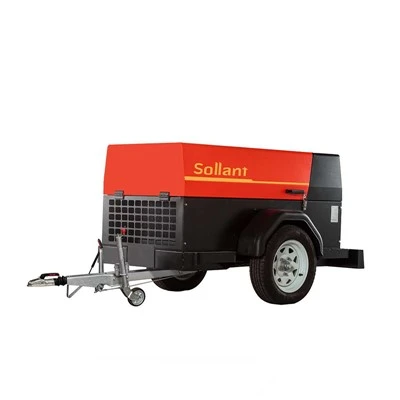
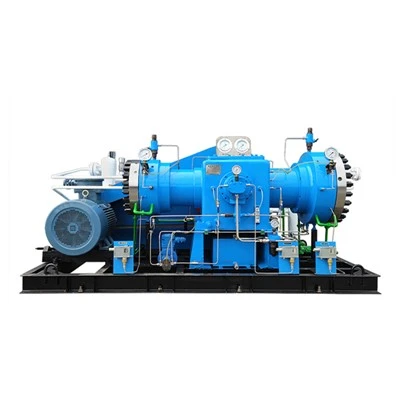
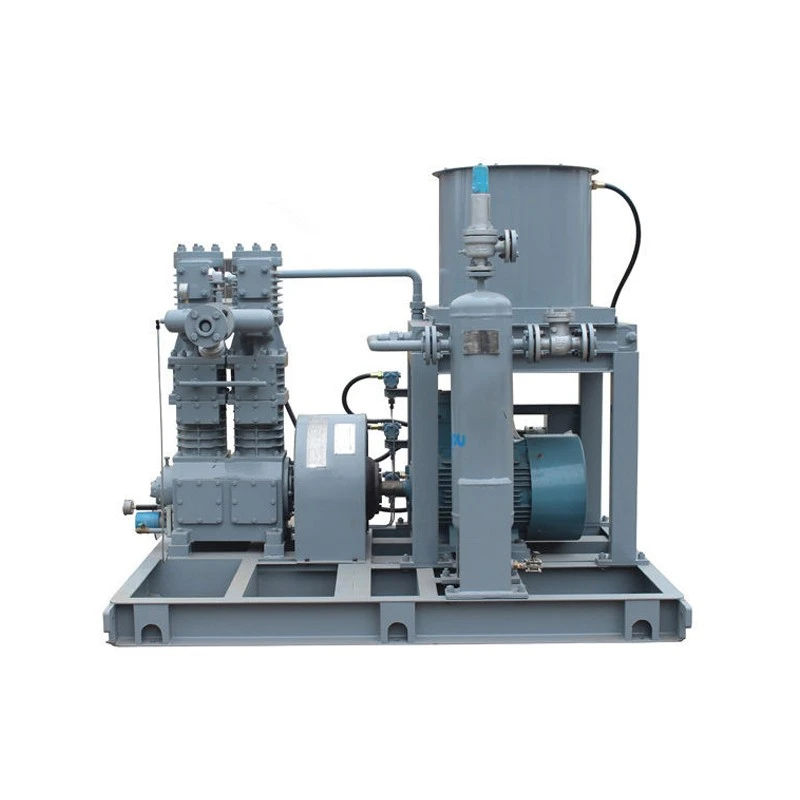
Before we dive into maintenance, let's quickly go over what a gas compressor is. A gas compressor is a device that increases the pressure of a gas by reducing its volume. These machines are used in a wide range of industries, from oil and gas to manufacturing and power generation. There are different types of gas compressors, such as Diaphragm Compressor, Biogas Compressor, Oxygen Compressor, Gas Compressor, and Ammonia Compressor. Each type has its own unique features and applications.
Why is Maintenance Important?
Maintenance is like giving your gas compressor a regular check - up. It helps to keep the compressor running smoothly, reduces the risk of breakdowns, and extends its lifespan. Here are some key reasons why maintenance is so important:
- Efficiency: A well - maintained compressor operates more efficiently. When the compressor is in good condition, it can compress gas with less energy, which saves you money on energy bills.
- Reliability: Regular maintenance reduces the chances of unexpected breakdowns. This is crucial in industries where a compressor failure can lead to production downtime and significant financial losses.
- Safety: A properly maintained compressor is safer to operate. Malfunctioning compressors can pose serious safety risks, such as leaks, fires, or explosions.
Components of Gas Compressor Maintenance
1. Regular Inspections
Inspections are the first step in maintenance. You need to check the compressor regularly to identify any potential issues. This includes:
- Visual Inspections: Look for signs of wear and tear, such as cracks, leaks, or loose connections. Check the compressor's exterior, pipes, and valves for any visible damage.
- Performance Checks: Monitor the compressor's performance parameters, such as pressure, temperature, and flow rate. Any significant changes in these parameters could indicate a problem.
2. Lubrication
Lubrication is essential for the smooth operation of a gas compressor. The moving parts of the compressor need to be lubricated to reduce friction and wear. Here's what you need to do:
- Use the Right Lubricant: Make sure to use the lubricant recommended by the compressor manufacturer. Different compressors may require different types of lubricants.
- Change the Lubricant Regularly: Over time, the lubricant can break down and become contaminated. You should change the lubricant at the intervals specified in the manufacturer's manual.
3. Filter Replacement
Filters play a vital role in protecting the compressor from contaminants. There are usually air filters and oil filters in a gas compressor.
- Air Filters: These filters remove dust and other particles from the intake air. A dirty air filter can restrict airflow, reducing the compressor's efficiency. Replace the air filter regularly to ensure proper airflow.
- Oil Filters: Oil filters remove impurities from the lubricating oil. A clogged oil filter can cause the oil to circulate less effectively, leading to increased wear on the compressor's parts. Replace the oil filter as recommended.
4. Belt and Coupling Maintenance
If your compressor uses belts or couplings to transfer power, they need to be maintained.
- Belt Tension: Check the belt tension regularly. A loose belt can slip, reducing the compressor's performance. A too - tight belt can cause excessive wear on the belt and the pulleys.
- Coupling Alignment: Ensure that the couplings are properly aligned. Misaligned couplings can cause vibration and premature wear on the compressor's components.
5. Cooling System Maintenance
Gas compressors generate a lot of heat during operation. A proper cooling system is necessary to prevent overheating.
- Coolant Level: Check the coolant level in the cooling system regularly. If the coolant level is low, add the appropriate coolant as recommended by the manufacturer.
- Cooling Fan and Radiator: Inspect the cooling fan and radiator for any blockages. A blocked radiator or a malfunctioning fan can reduce the cooling efficiency.
Maintenance Schedule
A maintenance schedule is a must - have for any gas compressor. It helps you keep track of when maintenance tasks need to be done. Here's a general maintenance schedule:
-
Daily Maintenance:

- Check the oil level and add oil if necessary.
- Inspect for any visible leaks.
- Monitor the compressor's performance parameters.
-
Weekly Maintenance:
- Check the air filter for dirt and clean or replace it if needed.
- Inspect the belts and couplings for wear and proper tension/alignment.
-
Monthly Maintenance:
- Change the oil filter.
- Check the coolant level and condition.
-
Annual Maintenance:
- Perform a comprehensive inspection of the compressor.
- Replace the lubricant.
- Check and calibrate the pressure and temperature sensors.
Troubleshooting Common Issues
Even with regular maintenance, gas compressors can sometimes develop problems. Here are some common issues and how to troubleshoot them:
- Low Pressure: If the compressor is not delivering the desired pressure, check for leaks in the system. Also, make sure the air filter is clean and the compressor is not overloaded.
- High Temperature: High temperature can be caused by a malfunctioning cooling system, a dirty radiator, or a lack of lubrication. Check the cooling system and the lubricant level.
- Excessive Noise: Excessive noise can indicate loose parts, misaligned couplings, or worn - out bearings. Inspect the compressor for any loose or damaged components.
Conclusion
In conclusion, the maintenance of a gas compressor is a multi - faceted process that involves regular inspections, lubrication, filter replacement, and more. By following a proper maintenance schedule and addressing any issues promptly, you can ensure that your gas compressor operates efficiently, reliably, and safely.
If you're in the market for a gas compressor or need more information about maintenance, feel free to reach out to us. We're here to help you make the right choice and keep your compressor in top shape.
References
- Manufacturer's manuals of various gas compressors
- Industry best practices for gas compressor maintenance