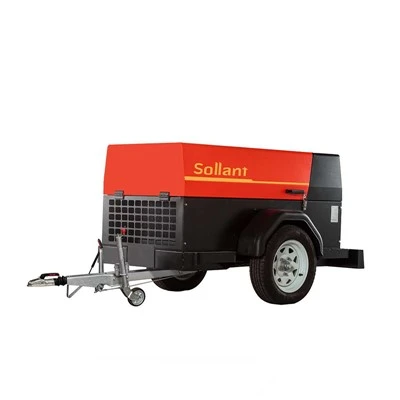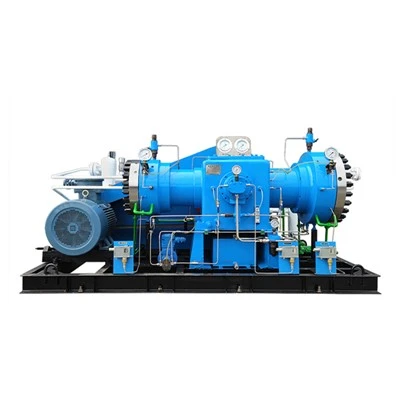
Hey there! As a supplier of High Pressure Combi Booster Air Compressors, I often get asked about the noise level of these machines. It's a valid concern, especially if you're planning to use the compressor in a workspace where noise can be a real issue. So, let's dive right in and talk about what you can expect in terms of noise when it comes to High Pressure Combi Booster Air Compressors.
First off, what exactly is a High Pressure Combi Booster Air Compressor? Well, it's a powerful piece of equipment that's designed to increase the pressure of air. You can check out more details about it High Pressure Combi Booster Air Compressor. These compressors are used in a variety of industries, from manufacturing to automotive, and even in some high - end home workshops.


Now, let's get to the noise part. The noise level of a High Pressure Combi Booster Air Compressor can vary quite a bit depending on several factors. One of the main factors is the size and power of the compressor. For example, our 11KW High Pressure Booster Compressor and 75 - 110KW Oil - Free Booster Compressor will have different noise profiles.
Generally speaking, larger and more powerful compressors tend to be noisier. This is because they have bigger motors and more moving parts. The motor is the heart of the compressor, and as it works to compress the air, it generates a certain amount of noise. The pistons moving up and down inside the compressor cylinders also create noise. Each time a piston makes a stroke, it creates a thumping sound.
Another factor that affects the noise level is the design of the compressor. Some compressors are designed with noise - reduction features. For instance, they might have special insulation around the motor or the compressor housing. This insulation helps to absorb some of the noise and prevent it from spreading into the surrounding environment.
The operating conditions also play a role. If the compressor is running at full capacity for long periods, it's likely to be noisier than if it's running at a lower load. Also, the surface on which the compressor is placed can make a difference. If it's placed on a hard, flat surface, the noise can bounce off and seem louder. On the other hand, if it's placed on a rubber mat or some other type of vibration - absorbing material, the noise can be reduced.
So, what kind of noise levels are we talking about? Well, it's usually measured in decibels (dB). A typical High Pressure Combi Booster Air Compressor can have a noise level ranging from around 70 dB to 90 dB. To give you an idea of what that means, normal conversation is around 60 dB. A lawnmower is usually around 90 dB. So, a compressor can be quite noisy, especially if you're in close proximity to it.
Now, why is it important to know the noise level? For one, it's a matter of safety. Prolonged exposure to high - level noise can cause hearing damage. In a workplace, employers are required by law to take steps to protect their employees from excessive noise. That might mean providing ear protection or setting up the compressor in a separate, sound - proofed room.
It's also important from a comfort perspective. If you're using the compressor in a small workshop or a home environment, a noisy compressor can be a real nuisance. You might not be able to have a normal conversation or listen to music while the compressor is running.
As a supplier, we understand the importance of noise reduction. That's why we offer a range of compressors with different noise levels. We also provide advice on how to minimize the noise. For example, we can recommend the best type of insulation or vibration - absorbing materials to use.
If you're in the market for a High Pressure Combi Booster Air Compressor, it's a good idea to consider the noise level along with other factors like power, capacity, and price. You don't want to end up with a compressor that's so noisy it makes your workplace or home unbearable.
When you're comparing different compressors, ask the supplier about the noise level. They should be able to provide you with the exact decibel rating. You can also ask if they have any noise - reduction features. And don't be afraid to ask for a demonstration. That way, you can hear the compressor running for yourself and decide if the noise level is acceptable to you.
In conclusion, the noise level of a High Pressure Combi Booster Air Compressor is an important consideration. It can vary depending on the size, design, operating conditions, and other factors. But with the right information and some careful planning, you can find a compressor that meets your needs without being too noisy.
If you're interested in learning more about our High Pressure Combi Booster Air Compressors or have any questions about noise levels, feel free to reach out. We're here to help you make the right choice for your business or workshop. Contact us to start the procurement discussion and find the perfect compressor for your needs.
References
- General knowledge about air compressors and noise levels in industrial equipment.
- Industry standards and guidelines for measuring and controlling noise in workplaces.