Selecting the right stationary electric air compressor is a crucial decision for many businesses and industries. As a supplier of Stationary Electric Air Compressor, I understand the importance of making an informed choice. Here are the key factors that should be considered when making this selection.
Air Pressure and Flow Requirements
The first and most fundamental factor is the air pressure and flow rate your operations demand. Air pressure is measured in pounds per square inch (PSI), and flow rate is measured in cubic feet per minute (CFM). Different tools and applications require specific PSI and CFM levels. For instance, a simple pneumatic nail gun may require around 70 - 120 PSI and 1 - 2 CFM, while a sandblasting machine might need 100 - 150 PSI and 10 - 20 CFM or more.
It's essential to calculate the total air demand of all the tools and equipment that will be used simultaneously. This ensures that the compressor can supply enough air to meet the peak requirements. If the compressor's output is insufficient, the tools may not operate at their optimal performance, leading to inefficiencies and potential damage.
Duty Cycle
The duty cycle of an air compressor refers to the amount of time it can run within a given period. It is usually expressed as a percentage. For example, a compressor with a 50% duty cycle can run for 30 minutes out of every hour and then needs to rest for the remaining 30 minutes to cool down.
In a high - demand industrial setting, a compressor with a high duty cycle (e.g., 75% or 100%) is necessary. This ensures continuous operation without frequent interruptions for cooling. On the other hand, for light - duty applications such as home workshops or occasional use, a lower duty cycle compressor may be sufficient and more cost - effective.
Power Source and Energy Efficiency
Since we are discussing stationary electric air compressors, the power source is electricity. However, it's important to consider the voltage and phase requirements. Some compressors operate on single - phase power, which is common in residential and small commercial settings, while others require three - phase power for larger industrial applications.
Energy efficiency is also a significant concern. An energy - efficient compressor can save a substantial amount of money on electricity bills over its lifespan. Look for compressors with features such as variable speed drives (VSD). VSD compressors can adjust their motor speed according to the air demand, consuming less energy when the demand is low.
Tank Size
The tank size of an air compressor plays a crucial role in its performance. A larger tank can store more compressed air, which is beneficial for applications that have intermittent high - air - demand periods. When the tools are not in use, the compressor can fill the tank, and when there is a sudden spike in air demand, the stored air can be used without overloading the compressor.
However, a larger tank also means a larger physical footprint and potentially higher initial costs. So, you need to balance the benefits of a larger tank with your space limitations and budget.
Noise Level
In many work environments, noise can be a significant issue. Excessive noise can not only cause discomfort to workers but also lead to hearing damage over time. When selecting a stationary electric air compressor, consider the noise level it produces. Compressors with lower decibel (dB) ratings are generally quieter.
Some compressors come with noise - reducing features such as sound - insulated enclosures. These can be a great option for indoor settings or areas where noise regulations are in place.
Maintenance Requirements
Regular maintenance is essential to keep an air compressor running smoothly and efficiently. Different compressors have different maintenance requirements. Some may need more frequent oil changes, filter replacements, or belt adjustments.
As a supplier, I always recommend choosing a compressor that is easy to maintain. Look for models with accessible components and clear maintenance instructions. This will not only save you time and effort but also reduce the long - term maintenance costs.
Compressor Type
There are different types of stationary electric air compressors, including reciprocating (piston) compressors and rotary screw compressors.
Reciprocating compressors are typically more affordable and suitable for small to medium - sized applications with intermittent air demand. They work by using pistons to compress the air. However, they tend to produce more vibration and noise and may require more frequent maintenance.
Rotary screw compressors, on the other hand, are more expensive but offer higher efficiency, lower noise levels, and longer service life. They are ideal for continuous, high - volume air demand applications in industrial settings.
Brand and Reputation
The brand and reputation of the compressor manufacturer are also important factors. A well - established brand with a good track record is more likely to produce reliable and high - quality products. You can research customer reviews, industry ratings, and the manufacturer's history to get an idea of their reputation.

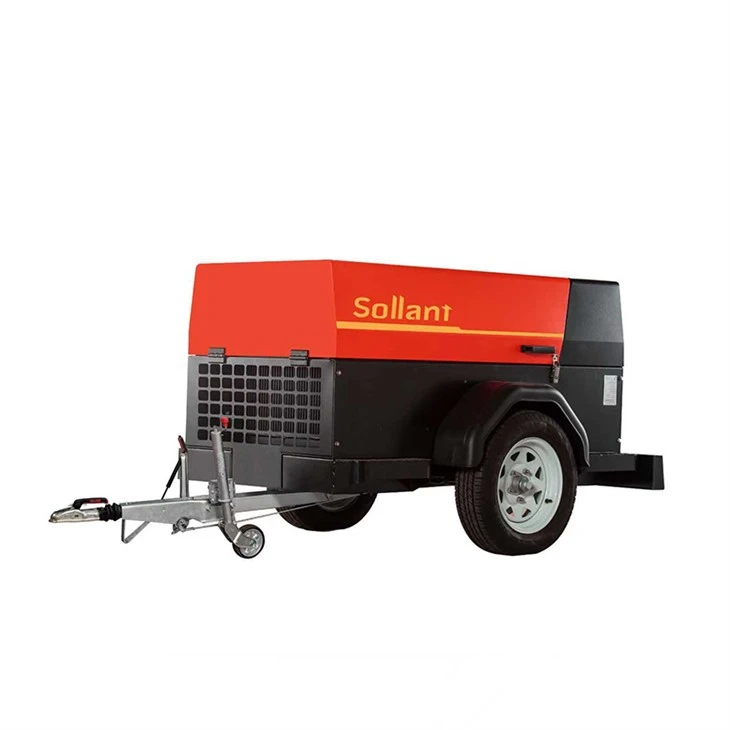
A reputable brand also usually offers better customer support, warranty services, and access to replacement parts. This can be crucial in case you encounter any issues with the compressor during its operation.
Cost
The initial cost of the compressor is, of course, a significant consideration. However, it's important to look at the total cost of ownership, which includes not only the purchase price but also the operating costs (such as energy consumption), maintenance costs, and the potential cost of downtime if the compressor fails.
A more expensive compressor may have a higher upfront cost but could save you money in the long run due to its energy efficiency and lower maintenance requirements.
Compatibility with Existing Systems
If you already have an existing air distribution system or other equipment in your facility, you need to ensure that the new compressor is compatible with them. This includes factors such as the type of connections, the pressure and flow requirements of the existing system, and any control or monitoring systems that are in place.
In conclusion, selecting a stationary electric air compressor requires careful consideration of multiple factors. By taking the time to evaluate your specific needs and requirements, you can choose a compressor that will provide reliable and efficient performance for your operations.
If you are in the process of selecting a stationary electric air compressor or have any questions about our products, I encourage you to contact us for a detailed discussion. We can help you assess your needs and find the most suitable compressor for your business. Whether you are interested in Stationary Diesel Air Compressor, Diesel Air Compressor, Portable Diesel Air Compressor, or Portable Electric Air Compressor, we have a wide range of options to meet your requirements.
References
- Compressed Air and Gas Institute (CAGI). Technical Standards and Guidelines for Air Compressors.
- Industry - specific handbooks on pneumatic tools and equipment operations.
- Various manufacturers' product literature and brochures.