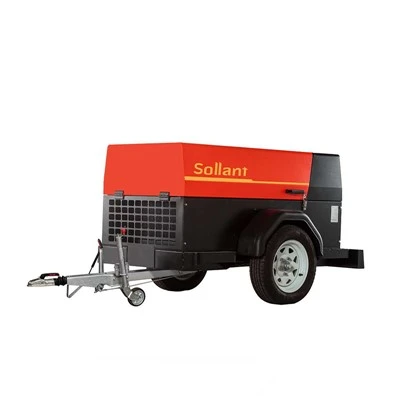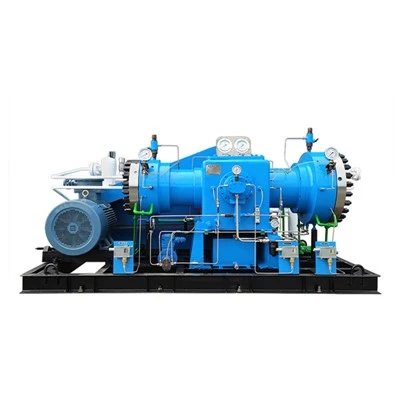
Managing the spare parts inventory for a High Pressure Combi Booster Air Compressor is crucial for any supplier like me. These compressors are complex machines, and having the right spare parts on hand can make a huge difference in customer satisfaction and business efficiency. In this blog, I'll share my insights on how to effectively manage the spare parts inventory for these high - pressure beasts.
Understanding the High Pressure Combi Booster Air Compressor
First off, let's quickly go over what a High Pressure Combi Booster Air Compressor is. It's a powerful piece of equipment that's used in a variety of industries, from manufacturing to automotive. These compressors are designed to boost the pressure of air, making it suitable for high - pressure applications. They're often used in situations where regular air compressors just won't cut it.
The components of a High Pressure Combi Booster Air Compressor can be quite intricate. You've got pistons, valves, cylinders, and a whole bunch of other parts that work together to compress the air. Each of these parts is subject to wear and tear over time, which is why having a well - managed spare parts inventory is so important.
Why Spare Parts Inventory Management Matters
As a supplier, I've seen firsthand the impact that proper spare parts inventory management can have. When a customer's compressor breaks down, they want it fixed as soon as possible. If I can quickly provide the necessary spare parts, I can minimize their downtime and keep them happy. On the flip side, if I don't have the right parts in stock, it can lead to long wait times, frustrated customers, and potentially lost business.
Another reason why inventory management is crucial is cost - control. Holding too many spare parts can tie up a lot of capital. I don't want to have a warehouse full of parts that might never be used. On the other hand, having too few parts can result in emergency orders, which are often more expensive due to rush shipping and higher unit costs.
Key Steps in Spare Parts Inventory Management
1. Demand Forecasting
One of the first steps in managing the spare parts inventory is to forecast demand. This involves analyzing historical data to see which parts are most likely to fail and how often. For example, pistons and valves tend to wear out more quickly than some other components, so I need to keep a closer eye on their stock levels.
I also take into account factors like the age of the compressors in the market. Newer models might have different failure rates compared to older ones. By looking at these trends, I can make more accurate predictions about which parts I'll need to have in stock.
2. Categorizing Spare Parts
Not all spare parts are created equal. I categorize them into different groups based on their criticality and usage frequency.
- Critical Parts: These are the parts that, if they fail, will bring the compressor to a complete halt. For example, the main piston in a 15KW Oil - Free Booster Compressor. I always keep a sufficient stock of these parts because any delay in replacing them can cause significant downtime for the customer.
- High - Usage Parts: These are parts that are used frequently, even if they don't necessarily cause a complete shutdown when they fail. O - rings and gaskets fall into this category. I need to make sure I have a steady supply of these parts to meet customer demand.
- Low - Usage Parts: These are parts that rarely fail or are only needed for specific models. While I still keep a small quantity of these parts in stock, I don't tie up too much capital in them.
3. Setting Reorder Points
Once I've categorized the spare parts, I set reorder points for each category. The reorder point is the level of inventory at which I need to place a new order. For critical parts, I set a relatively high reorder point to ensure that I always have enough stock on hand. For low - usage parts, the reorder point can be lower.
I also consider lead times when setting reorder points. If it takes a long time to get a particular part from the manufacturer, I'll set a higher reorder point to account for the delay.
4. Supplier Management
Building good relationships with my suppliers is essential for effective inventory management. I work closely with them to ensure that they can provide the parts I need in a timely manner. I also negotiate favorable terms, such as volume discounts and flexible delivery schedules.
I have a few backup suppliers for each critical part. This way, if one supplier runs into problems, I can quickly switch to another one without causing too much disruption to my inventory.


5. Inventory Monitoring and Auditing
Regularly monitoring my inventory is crucial. I use inventory management software to keep track of stock levels, reorder points, and usage patterns. This allows me to quickly identify any issues, such as parts that are running low or parts that are overstocked.
I also conduct regular audits of my inventory. This involves physically counting the parts in my warehouse and comparing the results to the data in my inventory management system. Audits help me identify any discrepancies, such as theft or misplacement of parts.
Challenges in Spare Parts Inventory Management
1. Technological Advancements
The High Pressure Combi Booster Air Compressor industry is constantly evolving. New models are being introduced all the time, and these models often have different spare parts requirements. Keeping up with these changes can be a challenge, as I need to ensure that I have the right parts for the latest compressors.
2. Uncertain Demand
Despite my best efforts at demand forecasting, there's always an element of uncertainty. Unexpected failures or changes in customer usage patterns can lead to fluctuations in demand for spare parts. This can make it difficult to maintain the right level of inventory.
3. Cost Pressures
As mentioned earlier, holding too much inventory can be costly. At the same time, I need to balance this with the need to have the right parts available when customers need them. Finding the right balance is a constant challenge, especially in a competitive market where price is a major factor.
Solutions to Overcome Challenges
1. Staying Informed
To keep up with technological advancements, I make sure to stay informed about the latest developments in the industry. I attend trade shows, read industry publications, and communicate regularly with compressor manufacturers. This helps me anticipate changes in spare parts requirements and adjust my inventory accordingly.
2. Flexible Inventory Strategies
To deal with uncertain demand, I adopt flexible inventory strategies. For example, I might use a just - in - time (JIT) approach for some parts, where I only order them when a customer places an order. This can help reduce inventory costs, but it requires a high level of coordination with my suppliers.
3. Cost - Benefit Analysis
When making decisions about inventory levels, I conduct a cost - benefit analysis. I weigh the cost of holding inventory against the cost of potential downtime and lost business. This helps me make more informed decisions about which parts to stock and in what quantities.
Conclusion
Managing the spare parts inventory for a High Pressure Combi Booster Air Compressor is a complex but essential task. By following the key steps of demand forecasting, categorizing spare parts, setting reorder points, managing suppliers, and monitoring inventory, I can ensure that I have the right parts available when my customers need them.
Of course, there are challenges along the way, such as technological advancements, uncertain demand, and cost pressures. But by staying informed, adopting flexible strategies, and conducting cost - benefit analyses, I can overcome these challenges and provide excellent service to my customers.
If you're in the market for a 75 - 110KW Oil - Free Booster Compressor or a 30 - 55KW Oil - Free Booster Air Compressor, or if you need spare parts for your existing compressor, don't hesitate to reach out. I'm here to help you keep your operations running smoothly.
References
- "Inventory Management for Manufacturing" by some well - known author in the field
- Industry reports on High Pressure Combi Booster Air Compressors
- Personal experience and insights gained from being a supplier in the industry