Hey there! As a supplier of biogas compressors, I've seen firsthand how crucial it is to keep an eye on the right monitoring parameters. In this blog, I'll share the key monitoring parameters that are super important for a biogas compressor.
First off, let's talk about pressure. Pressure is like the heartbeat of a biogas compressor. You've got to monitor both the inlet and outlet pressures. The inlet pressure gives you an idea of the biogas supply conditions. If the inlet pressure is too low, it might mean there's an issue with the biogas source, like a blockage in the pipeline or a problem with the biogas production system. On the other hand, if the inlet pressure is too high, it could put unnecessary stress on the compressor and lead to premature wear and tear.
The outlet pressure is equally important. It determines the pressure at which the compressed biogas is delivered to the end - user or storage system. You need to make sure the outlet pressure stays within the specified range. If it's too low, the biogas might not be able to reach its destination effectively. If it's too high, it can cause safety hazards, such as leaks or even damage to the compressor and downstream equipment.
Another vital parameter is temperature. Biogas compression generates heat, and if the temperature gets out of control, it can spell trouble. You should monitor the temperature of the compressor's cylinders, bearings, and the compressed biogas itself. High cylinder temperatures can lead to lubricant breakdown, which in turn can cause increased friction and wear on the moving parts. Overheating bearings can also fail, leading to costly repairs and downtime.
Monitoring the temperature of the compressed biogas is important because excessive heat can change the properties of the biogas and may even cause it to react chemically. For example, if the temperature is too high, there could be a risk of methane oxidation, which reduces the energy content of the biogas.
Flow rate is also a key factor. The flow rate of biogas through the compressor tells you how much biogas is being compressed per unit of time. A sudden drop in the flow rate could indicate a problem, such as a clogged filter, a malfunctioning valve, or a leak in the system. On the contrary, an unusually high flow rate might suggest that the compressor is working harder than it should, which can lead to increased energy consumption and reduced efficiency.
Vibration is often overlooked but is a significant monitoring parameter. Excessive vibration can be a sign of misalignment, loose parts, or mechanical problems within the compressor. Continuous high - level vibration can cause fatigue in the compressor's components, leading to cracks and failures. By monitoring vibration levels, you can detect these issues early and take corrective action before they turn into major problems.
Lubricant quality is another area that needs close attention. The lubricant in a biogas compressor plays a crucial role in reducing friction, cooling the moving parts, and sealing the compression chambers. You should regularly check the lubricant's level, viscosity, and contamination. A low lubricant level can lead to insufficient lubrication, while a change in viscosity can affect its ability to perform its functions. Contamination, such as dirt, water, or biogas residues, can also degrade the lubricant's performance and cause damage to the compressor.


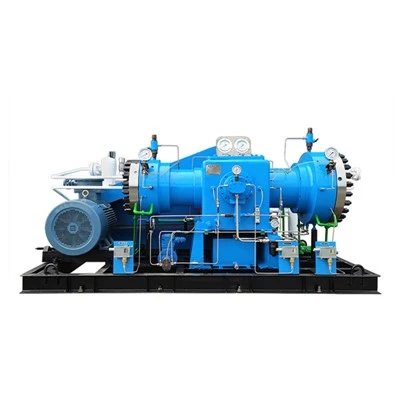
Now, let's talk about some of the specific types of compressors we offer. We have top - notch Diaphragm Compressor. Diaphragm compressors are known for their high efficiency and reliability. They are great for applications where you need to compress biogas without any contamination from the lubricant, as they use a diaphragm to separate the compression chamber from the mechanical parts.
We also have Oxygen Compressor and Nitrogen Compressor. While these are not strictly biogas compressors, they are part of our comprehensive range of gas compressors. Oxygen compressors are designed to handle oxygen safely, which is important in some biogas upgrading processes where oxygen might be involved in chemical reactions. Nitrogen compressors are useful for purging and inerting systems in biogas plants to prevent the formation of explosive mixtures.
In conclusion, monitoring these parameters - pressure, temperature, flow rate, vibration, and lubricant quality - is essential for the proper operation and longevity of a biogas compressor. By keeping a close eye on these factors, you can ensure that your biogas compressor runs smoothly, efficiently, and safely.
If you're in the market for a biogas compressor or have any questions about the monitoring parameters or our products, don't hesitate to reach out. We're here to help you make the best choice for your biogas compression needs.
References
- "Gas Compression Handbook" by John A. Nygaard
- "Biogas Production and Utilization" by various authors in the field of renewable energy research.