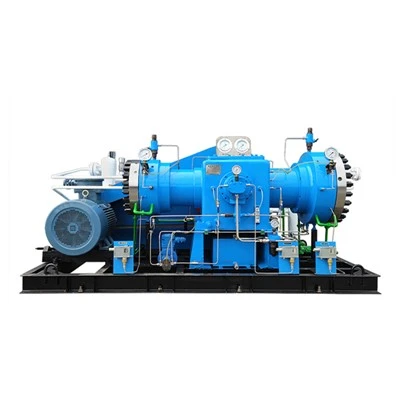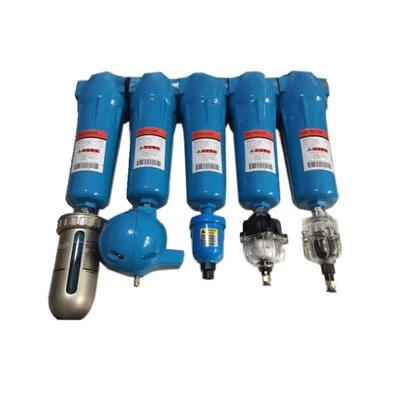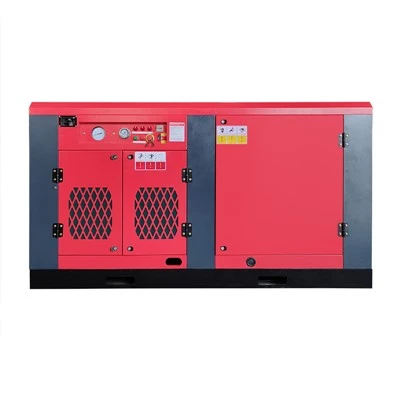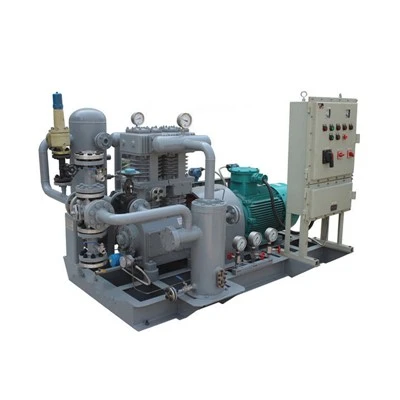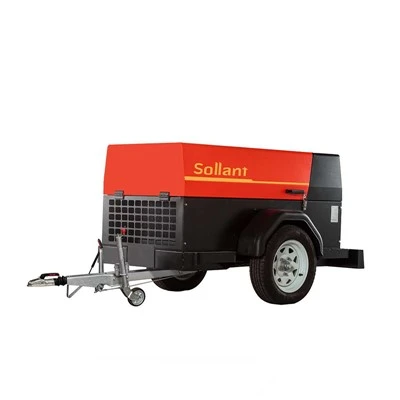
As a supplier of Stationary Electric Air Compressors, I often receive inquiries from customers about issues they encounter with their equipment. One of the most common complaints is overheating. In this blog post, I'll delve into the reasons why stationary electric air compressors overheat and offer some solutions to prevent this problem.
Lack of Adequate Ventilation
One of the primary reasons for overheating in stationary electric air compressors is insufficient ventilation. These machines generate a significant amount of heat during operation, and if this heat cannot dissipate properly, the temperature inside the compressor will rise rapidly.
When the compressor is placed in a confined space, such as a small closet or a corner with limited airflow, the hot air has nowhere to go. The heat builds up around the compressor, causing it to overheat. Additionally, if the air intake vents are blocked by dust, debris, or other objects, the compressor will not be able to draw in enough cool air to cool itself.
To address this issue, ensure that your Stationary Electric Air Compressor is installed in a well - ventilated area. There should be at least 12 - 18 inches of clearance on all sides of the compressor to allow for proper air circulation. Regularly clean the air intake vents to remove any obstructions. You can use a soft brush or compressed air to blow out the dust and debris.
Overworking the Compressor
Another common cause of overheating is overworking the compressor. If the compressor is constantly running at or near its maximum capacity, it will generate more heat than it can handle. This can happen if you are using tools or equipment that require more air than the compressor is rated to provide.
For example, if you are using a large - volume pneumatic tool that demands a high CFM (Cubic Feet per Minute) on a compressor with a low CFM rating, the compressor will have to work harder to keep up with the demand. This increased workload results in excessive heat generation.
To avoid overworking the compressor, make sure you understand its rated capacity. Match the tools and equipment you use with the compressor's specifications. If you need to use high - demand tools, consider upgrading to a more powerful compressor. You can also use a storage tank to store compressed air. This allows the compressor to run intermittently, reducing the workload and heat generation.
Faulty Cooling System
The cooling system in a stationary electric air compressor is crucial for maintaining a proper operating temperature. The cooling system typically consists of a fan and cooling fins. If either of these components is not functioning correctly, the compressor may overheat.


A malfunctioning fan may not be able to draw in enough cool air or expel hot air effectively. The fan blades could be damaged, or the motor that drives the fan may be faulty. Similarly, if the cooling fins are dirty or clogged, they will not be able to transfer heat efficiently from the compressor to the surrounding air.
Regularly inspect the cooling system of your compressor. Check the fan blades for any signs of damage and ensure that the fan is spinning freely. Clean the cooling fins using a soft brush or a low - pressure stream of water. If you suspect that the fan motor is faulty, it is best to have it replaced by a professional.
Low Oil Level
In compressors that use oil for lubrication and cooling, a low oil level can lead to overheating. Oil not only reduces friction between moving parts but also helps to dissipate heat. When the oil level is low, there is less lubrication and cooling, causing the components to heat up more quickly.
Check the oil level in your compressor regularly according to the manufacturer's instructions. If the oil level is low, add the recommended type of oil. However, be careful not to overfill the oil as this can also cause problems. If the oil is dirty or contaminated, it should be changed as soon as possible.
Electrical Issues
Electrical problems can also contribute to overheating in a stationary electric air compressor. A loose electrical connection can cause resistance, which generates heat. Over time, this heat can damage the wiring and other electrical components, leading to further overheating and potentially even a fire hazard.
Moreover, if the compressor is being supplied with an incorrect voltage, it can cause the motor to work harder than it should. For example, if a compressor designed for 220V is being supplied with 110V, the motor will draw more current to try to achieve the same power output, resulting in increased heat generation.
Inspect the electrical connections of your compressor regularly to ensure that they are tight and secure. Have a qualified electrician check the voltage supply to make sure it matches the compressor's requirements. If you notice any signs of electrical problems, such as burning smells or flickering lights, stop using the compressor immediately and have it inspected by a professional.
Worn - Out Components
As a compressor ages, its components can wear out. Worn - out pistons, valves, or bearings can increase friction and heat generation. For example, if the piston rings are worn, they may not seal properly, causing the compressor to work harder to compress the air.
Regular maintenance and inspection can help identify worn - out components early. Replace any parts that show signs of excessive wear according to the manufacturer's recommendations. This will not only prevent overheating but also extend the lifespan of your compressor.
Solutions and Preventive Measures
- Regular Maintenance: Establish a regular maintenance schedule for your stationary electric air compressor. This includes checking the oil level, cleaning the air intake vents and cooling fins, inspecting the electrical connections, and replacing worn - out components.
- Proper Installation: Ensure that the compressor is installed in a well - ventilated area with sufficient clearance. Follow the manufacturer's installation instructions carefully.
- Load Management: Use tools and equipment that match the compressor's rated capacity. Consider using a storage tank to reduce the workload on the compressor.
In conclusion, overheating in stationary electric air compressors can be caused by a variety of factors, including lack of ventilation, overworking, faulty cooling systems, low oil levels, electrical issues, and worn - out components. By understanding these causes and taking preventive measures, you can keep your compressor running smoothly and avoid costly breakdowns.
If you are experiencing problems with your compressor overheating or are looking to purchase a new Stationary Electric Air Compressor, Diesel Air Compressor, or Stationary Diesel Air Compressor, please feel free to contact us for professional advice and solutions. Our team of experts is always ready to assist you in making the right choice for your specific needs.
References
- Compressor Manufacturers' Manuals
- Industry Standards and Guidelines for Air Compressor Maintenance