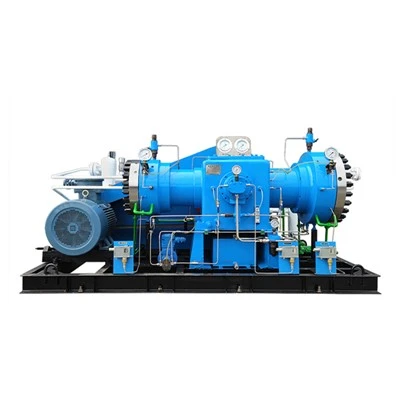
As a leading supplier of LPG compressors, I understand the critical importance of proper shutdown procedures. These procedures not only ensure the safety of the equipment and personnel but also contribute to the longevity and efficiency of the compressor. In this blog, I will delve into the step-by-step shutdown procedures for an LPG compressor, providing you with a comprehensive guide to follow.
Pre - Shutdown Checks
Before initiating the shutdown process, a series of pre - shutdown checks must be carried out. These checks are designed to identify any potential issues that could pose a risk during or after the shutdown.
-
Inspect the Compressor Operation
- Monitor the compressor's operating parameters such as pressure, temperature, and flow rate. These parameters should be within the normal operating range. Any significant deviations could indicate a problem that needs to be addressed before shutdown. For example, if the discharge pressure is too high, it could lead to over - stressing of the compressor components during the shutdown process.
- Check the lubrication system. Ensure that the oil level is adequate and that the oil pressure is normal. Proper lubrication is essential for the smooth operation of the compressor, and any issues with the lubrication system can cause excessive wear and tear on the moving parts.
-
Verify Safety Devices
- Test the safety relief valves. These valves are crucial for preventing over - pressurization of the compressor. Make sure they are functioning correctly by checking their set pressures and ensuring that they open and close properly.
- Check the emergency stop buttons. In case of an emergency during the shutdown process, these buttons should be easily accessible and in working condition.
-
Review the Process Conditions
- Determine the status of the LPG storage and distribution system. If there are any ongoing processes that rely on the LPG compressor, such as filling storage tanks or supplying LPG to a processing unit, make sure that these processes can be safely interrupted.
- Coordinate with other departments or operators who may be affected by the compressor shutdown. This includes informing them of the planned shutdown time and any potential impacts on their operations.
Shutdown Steps
- Reduce the Load
- Gradually reduce the compressor's load. This can be done by adjusting the inlet valves or by using a capacity control system. Reducing the load slowly helps to prevent sudden pressure changes that could damage the compressor or the associated piping.
- Monitor the compressor's operating parameters during the load reduction process. Ensure that the pressure, temperature, and flow rate remain within the acceptable limits.
- Stop the Compressor
- Once the load has been reduced to a minimum, stop the compressor motor. This can be done by turning off the power supply at the motor control center.
- After stopping the motor, listen for any abnormal noises or vibrations. These could indicate a problem with the compressor, such as a seized bearing or a misaligned shaft.
- Isolate the Compressor
- Close the inlet and outlet valves of the compressor. This isolates the compressor from the LPG supply and the downstream system.
- Use valve locks or tags to indicate that the valves are closed and that the compressor is out of service. This helps to prevent accidental opening of the valves during maintenance or other activities.
- Depressurize the Compressor
- Slowly open the depressurization valve to release the pressure inside the compressor. This should be done carefully to avoid rapid depressurization, which can cause damage to the compressor components.
- Monitor the pressure gauge until the pressure inside the compressor reaches atmospheric pressure.
- Purge the Compressor
- Use an inert gas, such as nitrogen, to purge the compressor. Nitrogen purging helps to remove any remaining LPG from the compressor and reduces the risk of explosion or fire. You can learn more about Nitrogen Compressor for this purpose.
- Connect the nitrogen supply to the compressor and open the appropriate valves to allow the nitrogen to flow through the compressor.
- Continue the purging process for a sufficient amount of time to ensure that all LPG has been removed. This time can vary depending on the size and design of the compressor.
Post - Shutdown Procedures
- Inspect the Compressor
- Conduct a visual inspection of the compressor. Check for any signs of leaks, damage, or wear on the compressor components, such as the cylinders, pistons, valves, and gaskets.
- Inspect the electrical connections and wiring for any signs of damage or overheating.
- Clean the Compressor
- Clean the exterior of the compressor to remove any dirt, dust, or debris. This helps to prevent the accumulation of contaminants that could affect the performance of the compressor.
- If necessary, clean the internal components of the compressor. This may require disassembling the compressor, which should be done by trained personnel following the manufacturer's instructions.
- Perform Maintenance
- Based on the inspection results, perform any necessary maintenance tasks. This could include replacing worn - out parts, lubricating moving components, or tightening loose connections.
- Keep a record of all maintenance activities, including the date, the type of maintenance performed, and the parts replaced. This record is useful for tracking the maintenance history of the compressor and for planning future maintenance.
Special Considerations
- Cold Weather Shutdown
- In cold weather conditions, special precautions need to be taken during the shutdown process. Water in the compressor and associated piping can freeze, causing damage to the equipment.
- Drain all the water from the compressor, including the cooling system and the condensate traps.
- Insulate the compressor and the piping to prevent heat loss and to keep the temperature above the freezing point.
- Emergency Shutdown
- In case of an emergency, such as a fire, explosion, or a major equipment failure, the compressor should be shut down immediately.
- Activate the emergency stop button and follow the emergency shutdown procedures outlined in the safety manual.
- Evacuate the area and notify the appropriate personnel, such as the safety officer and the maintenance team.
Conclusion
Proper shutdown procedures for an LPG compressor are essential for ensuring the safety of the equipment and personnel, as well as for maintaining the efficiency and longevity of the compressor. By following the pre - shutdown checks, shutdown steps, and post - shutdown procedures outlined in this blog, you can minimize the risk of accidents and damage to the compressor.


If you are in the market for a reliable LPG compressor or need more information about our products and services, we invite you to contact us for a detailed discussion. Our team of experts is ready to assist you in finding the right compressor solution for your specific needs. Whether you are looking for a Gas Compressor or a Biogas Compressor, we have a wide range of options to choose from.
References
- Compressor Manufacturer's Manuals
- Industry Standards for LPG Compressor Operation and Maintenance