As a supplier of high-pressure breathing air compressors, I've witnessed firsthand the crucial role that after - coolers play in these systems. High - pressure breathing air compressors are essential in various industries, from diving to firefighting, where clean and breathable air is a matter of life and death. In this blog, I'll delve into the functions, benefits, and significance of after - coolers in high - pressure breathing air compressors.
The Compression Process and Heat Generation
Before we understand the role of the after - cooler, it's important to grasp how high - pressure breathing air compressors work. These compressors take in ambient air and compress it to high pressures. During the compression process, a significant amount of heat is generated. This is due to the fact that compressing a gas increases its internal energy, which is manifested as heat.
The compression ratio in high - pressure breathing air compressors can be quite high, often reaching levels where the temperature of the compressed air can soar to several hundred degrees Celsius. For example, in a multi - stage compressor, each stage of compression adds to the heat build - up. If this hot compressed air is not properly managed, it can have several detrimental effects on the compressor system and the quality of the breathing air.
What is an After - Cooler?
An after - cooler is a heat exchanger that is installed at the outlet of the compressor. Its primary function is to cool down the hot compressed air before it is further processed or stored. After - coolers work on the principle of transferring heat from the compressed air to a cooling medium, which is usually either air or water.
Functions of the After - Cooler in a High - Pressure Breathing Air Compressor
1. Condensation of Moisture
One of the most important functions of the after - cooler is to condense the moisture present in the compressed air. As the hot compressed air cools down in the after - cooler, the water vapor in the air reaches its dew point and condenses into liquid water. This is crucial because moisture in breathing air can lead to several problems.
In high - pressure breathing air systems, moisture can cause corrosion in storage tanks, pipes, and valves. It can also promote the growth of bacteria and mold, which can contaminate the breathing air and pose a health risk to the users. By removing moisture, the after - cooler helps to ensure the long - term reliability of the compressor system and the safety of the breathing air.
2. Reducing the Volume of Compressed Air
According to the ideal gas law, PV = nRT, where P is pressure, V is volume, n is the number of moles of gas, R is the ideal gas constant, and T is temperature. When the temperature of the compressed air is reduced by the after - cooler, its volume also decreases. This is beneficial because it allows for more efficient storage and transportation of the compressed air.
For example, if you have a storage tank with a fixed volume, cooling the compressed air before storing it means that you can fit more air into the tank at the same pressure. This can increase the capacity of the breathing air supply system and reduce the frequency of refills.
3. Protecting Downstream Components
High - temperature compressed air can damage downstream components such as filters, dryers, and regulators. These components are designed to operate within a certain temperature range, and excessive heat can cause them to malfunction or wear out prematurely.
The after - cooler acts as a safeguard by reducing the temperature of the compressed air to a level that is acceptable for these downstream components. This helps to extend the lifespan of the components and reduces the maintenance costs of the compressor system.
4. Improving Air Quality
Cooling the compressed air also helps to improve the overall quality of the breathing air. As the air cools, some of the contaminants such as oil vapor and particulate matter can condense or settle out. This reduces the load on the downstream filtration system, which can then more effectively remove the remaining contaminants.
Types of After - Coolers
There are two main types of after - coolers used in high - pressure breathing air compressors: air - cooled and water - cooled.
Air - Cooled After - Coolers
Air - cooled after - coolers use ambient air to cool the compressed air. They consist of a series of fins and tubes through which the compressed air flows. The fins increase the surface area for heat transfer, allowing the heat from the compressed air to be dissipated into the surrounding air.
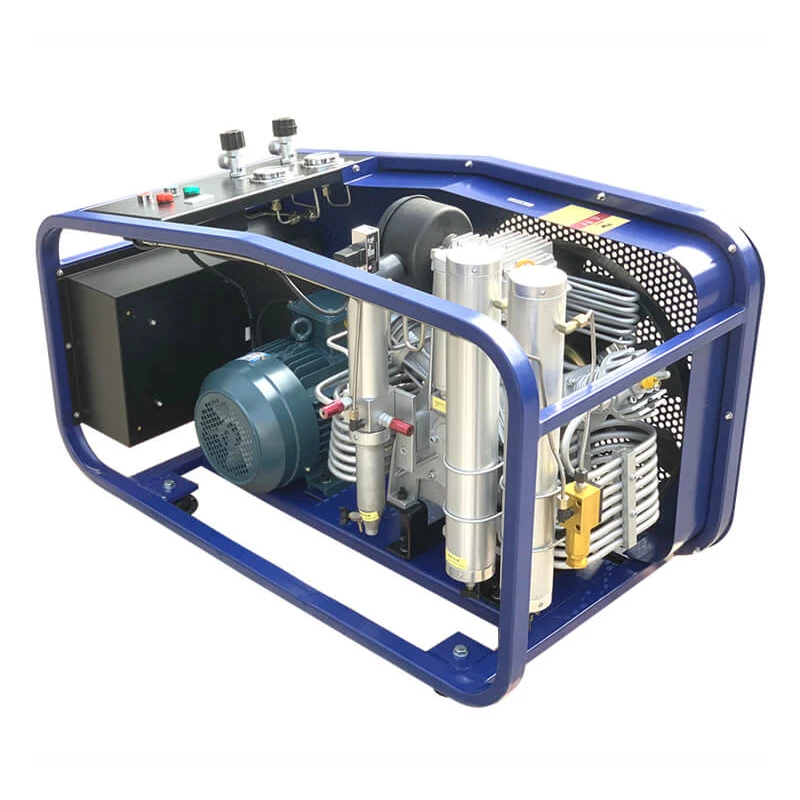
Air - cooled after - coolers are relatively simple and inexpensive to install. They are also suitable for applications where water is not readily available. However, their cooling efficiency is limited by the ambient air temperature, and they may not be able to achieve very low outlet temperatures.
Water - Cooled After - Coolers
Water - cooled after - coolers use water as the cooling medium. They are more efficient than air - cooled after - coolers because water has a higher heat capacity than air. Water - cooled after - coolers can achieve lower outlet temperatures, which is beneficial for applications that require very dry and cool breathing air.
However, water - cooled after - coolers require a continuous supply of water, which can be a challenge in some locations. They also require more maintenance, as the water system needs to be properly treated to prevent corrosion and scaling.
Our High - Pressure Breathing Air Compressors with After - Coolers
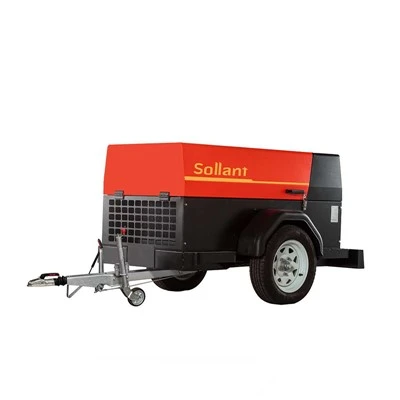
At our company, we offer a range of high - pressure breathing air compressors equipped with high - quality after - coolers. Our SLT - 300 Respirator Air Pump High Pressure Air Compressor is a popular choice for small - scale applications. It features an efficient air - cooled after - cooler that effectively reduces the temperature of the compressed air and removes moisture.
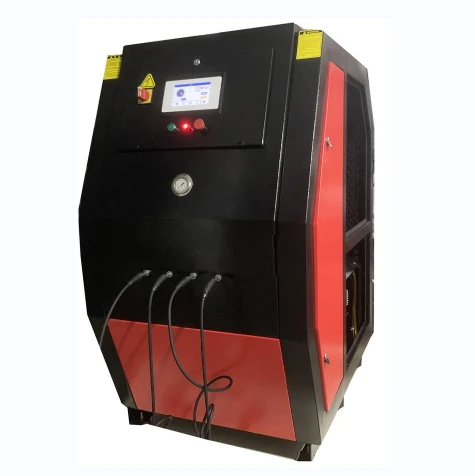
For medium - sized operations, our SLT - 100 Respirator Air Pump High Pressure Compressor is a reliable option. It comes with a water - cooled after - cooler that provides excellent cooling performance, ensuring high - quality breathing air.
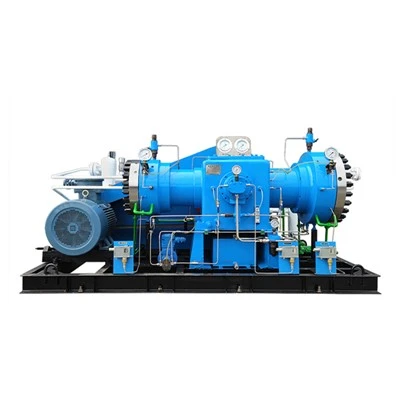
For large - scale industrial applications, our SLT - 680 Respirator Air Pump High Pressure Air Compressor is the ideal solution. Its advanced after - cooler system is designed to handle high - volume compressed air and maintain optimal temperature and moisture levels.
Conclusion
In conclusion, the after - cooler is an indispensable component of a high - pressure breathing air compressor. It plays a vital role in ensuring the reliability, efficiency, and safety of the compressor system. By cooling the compressed air, condensing moisture, protecting downstream components, and improving air quality, the after - cooler helps to provide clean and breathable air for various applications.
If you are in the market for a high - pressure breathing air compressor, we invite you to contact us for more information and to discuss your specific requirements. Our team of experts is ready to assist you in selecting the right compressor with the appropriate after - cooler for your needs.
References
- Compressed Air and Gas Handbook, 4th Edition
- ASME Boiler and Pressure Vessel Code
- ISO standards for breathing air quality