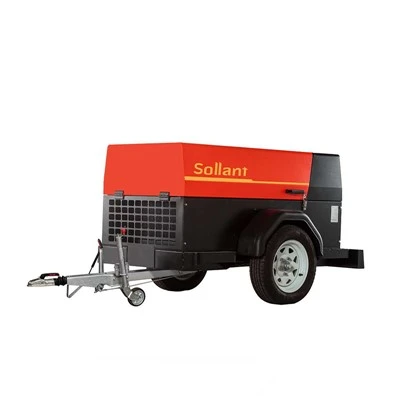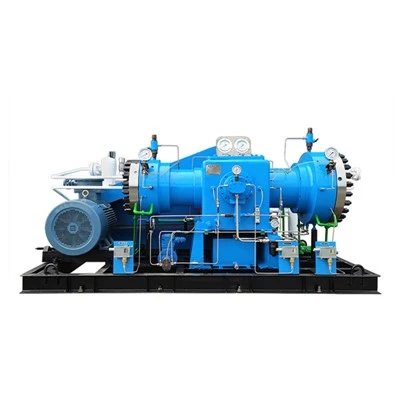
As a supplier of High Pressure Air Compressors, I understand the critical importance of regular maintenance to ensure the longevity, efficiency, and safety of these powerful machines. High pressure air compressors are widely used in various industries, including manufacturing, construction, and aviation, where reliable and consistent air supply is essential. In this blog post, I will share a comprehensive maintenance checklist for high pressure air compressors to help you keep your equipment in top condition.
Daily Maintenance Checks
Visual Inspection
- Exterior Condition: Inspect the compressor's exterior for any signs of damage, such as dents, cracks, or leaks. Check the mounting bolts and connections to ensure they are tight and secure.
- Hoses and Tubing: Examine all hoses and tubing for wear, cracks, or leaks. Replace any damaged components immediately to prevent air loss and potential safety hazards.
- Filters: Check the intake and oil filters for dirt and debris. Clean or replace the filters as needed to maintain proper airflow and prevent contamination.
Oil Level
- Check the Oil Sight Glass: Most high pressure air compressors are equipped with an oil sight glass or dipstick. Check the oil level and ensure it is within the recommended range. If the oil level is low, add the appropriate type and grade of oil as specified in the compressor's manual.
- Inspect for Oil Leaks: Look for any signs of oil leaks around the compressor. If you notice oil pooling on the floor or around the compressor, identify the source of the leak and repair it promptly.
Air Pressure
- Monitor the Pressure Gauge: Check the air pressure gauge to ensure the compressor is operating within the recommended pressure range. If the pressure is too high or too low, adjust the pressure settings according to the manufacturer's instructions.
- Check for Pressure Drops: Monitor the pressure gauge over time to detect any sudden or gradual pressure drops. A significant pressure drop could indicate a leak in the system or a problem with the compressor's components.
Temperature
- Check the Compressor Temperature: Use an infrared thermometer or temperature gauge to check the temperature of the compressor's motor, cylinders, and other critical components. Excessive heat can indicate a problem with the compressor's cooling system or overloading. If the temperature is too high, shut down the compressor and investigate the cause.
Weekly Maintenance Checks
Belt Tension
- Inspect the Drive Belt: Check the drive belt for wear, cracks, or fraying. Adjust the belt tension as needed to ensure proper power transmission and prevent slippage. A loose or worn belt can cause the compressor to operate inefficiently or fail to start.
- Check the Belt Alignment: Ensure the drive belt is properly aligned with the pulleys. Misaligned belts can cause excessive wear and noise, and may also lead to premature belt failure.
Coolant Level
- Check the Coolant Reservoir: If your high pressure air compressor is equipped with a cooling system, check the coolant level in the reservoir. Add coolant as needed to maintain the proper level. Low coolant levels can cause the compressor to overheat and damage the engine.
Drain the Air Receiver Tank
- Open the Drain Valve: Most high pressure air compressors are equipped with an air receiver tank to store compressed air. Over time, moisture and condensation can accumulate in the tank, which can cause corrosion and damage to the tank and other components. Open the drain valve at the bottom of the tank to drain any accumulated water or debris.
Monthly Maintenance Checks
Valve Inspection
- Check the Safety Valve: The safety valve is a critical component of the high pressure air compressor system. It is designed to release excess pressure in the event of a malfunction or overpressure situation. Inspect the safety valve for proper operation and ensure it is set to the correct pressure rating.
- Inspect the Intake and Discharge Valves: The intake and discharge valves control the flow of air into and out of the compressor cylinders. Check the valves for wear, damage, or carbon buildup. Clean or replace the valves as needed to ensure proper airflow and compression.
Electrical System
- Inspect the Electrical Connections: Check all electrical connections for tightness and signs of corrosion or damage. Loose or corroded connections can cause electrical problems, such as short circuits or overheating. Tighten any loose connections and clean or replace any damaged components.
- Test the Electrical Controls: Test the compressor's electrical controls, such as the start/stop switch, pressure switch, and overload protection device. Ensure the controls are functioning properly and respond to changes in pressure and temperature.
Lubrication
- Lubricate Moving Parts: High pressure air compressors have many moving parts that require regular lubrication to reduce friction and wear. Refer to the compressor's manual for the recommended lubrication points and intervals. Use the appropriate type and grade of lubricant as specified in the manual.
Quarterly Maintenance Checks
Filter Replacement
- Replace the Air Intake Filter: The air intake filter prevents dirt, dust, and other contaminants from entering the compressor. Over time, the filter can become clogged with debris, which can reduce airflow and efficiency. Replace the air intake filter every three months or as recommended by the manufacturer.
- Replace the Oil Filter: The oil filter removes contaminants from the compressor's oil, helping to extend the life of the oil and protect the compressor's components. Replace the oil filter every three months or as specified in the compressor's manual.
Compressor Performance Testing
- Conduct a Performance Test: Periodically test the compressor's performance to ensure it is operating at its optimal level. Measure the air flow rate, pressure, and power consumption of the compressor and compare the results to the manufacturer's specifications. If the compressor's performance is below the recommended levels, investigate the cause and take appropriate corrective action.
Annual Maintenance Checks
Complete Overhaul
- Schedule a Professional Overhaul: Every year, it is recommended to have your high pressure air compressor professionally overhauled by a qualified technician. During the overhaul, the technician will disassemble the compressor, inspect all components for wear and damage, and replace any worn or damaged parts. This comprehensive maintenance service will help to ensure the compressor's reliability and performance for years to come.
Calibration
- Calibrate the Pressure Gauge and Controls: Over time, the pressure gauge and controls on the high pressure air compressor may become inaccurate. Have the pressure gauge and controls calibrated annually to ensure they are providing accurate readings and maintaining the proper pressure settings.
Conclusion
Regular maintenance is essential for the safe and efficient operation of high pressure air compressors. By following the maintenance checklist outlined in this blog post, you can help to prevent breakdowns, extend the life of your compressor, and ensure a reliable supply of compressed air for your business. If you have any questions or need further assistance with high pressure air compressor maintenance, please contact us to discuss your specific needs and requirements.
At our company, we offer a wide range of high quality High Pressure Air Compressors, including Oil-free Medium And High Pressure Compressor System and Micro-lubricated Medium And High Pressure Compressor System. Our experienced team of technicians can provide professional maintenance and repair services to keep your compressors running smoothly. Contact us today to learn more about our products and services and to discuss your procurement needs.


References
- Compressor Manufacturer's Manuals
- Industry Standards and Best Practices for High Pressure Air Compressor Maintenance