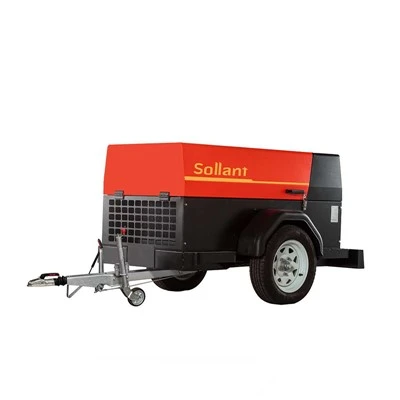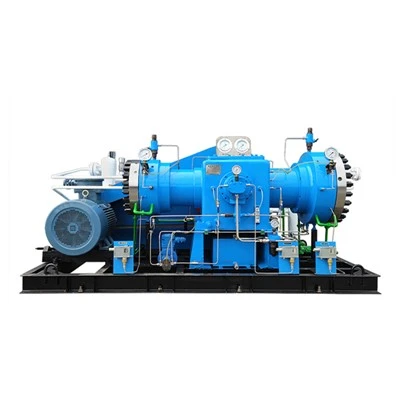
As a supplier of Stationary Electric Air Compressors, I understand the importance of proper installation to ensure the optimal performance, safety, and longevity of these essential industrial machines. In this blog post, I will delve into the installation requirements for a stationary electric air compressor, providing you with comprehensive insights to guide you through the process.
1. Location Selection
The first crucial step in installing a stationary electric air compressor is choosing the right location. This decision can significantly impact the compressor's efficiency and lifespan.
- Ventilation: Adequate ventilation is paramount. Electric air compressors generate heat during operation, and without proper ventilation, this heat can build up, leading to overheating and potentially damaging the compressor. The location should have good air circulation, preferably near an open window or an exhaust system. A well - ventilated area helps dissipate heat and maintains a stable operating temperature for the compressor. For example, in a factory setting, installing the compressor near a large exhaust fan can ensure continuous air exchange.
- Floor Space: The compressor requires sufficient floor space for installation and maintenance. You need to ensure that there is enough room around the compressor to access all its components easily. A general rule of thumb is to leave at least 2 - 3 feet of clearance on all sides of the compressor. This space allows technicians to conduct routine inspections, replace parts, and perform maintenance tasks without any hindrance.
- Level Surface: The compressor must be installed on a level surface. An uneven surface can cause the compressor to vibrate excessively during operation, which not only affects its performance but also increases the risk of mechanical damage. Use a spirit level to check the surface's flatness before installation. If the surface is not level, you can use shims or leveling pads to adjust it accordingly.
2. Electrical Requirements
Proper electrical installation is essential for the safe and efficient operation of a stationary electric air compressor.
- Power Supply: The compressor must be connected to a suitable power supply. Check the compressor's specifications to determine its voltage, amperage, and phase requirements. For example, some industrial compressors may require a three - phase power supply, while smaller models can operate on a single - phase supply. Ensure that the electrical circuit can handle the compressor's power demands without overloading.
- Electrical Wiring: Use high - quality electrical wiring that is rated for the compressor's power consumption. The wiring should be properly sized to prevent voltage drops, which can lead to reduced performance and overheating. It is recommended to hire a qualified electrician to install the electrical wiring to ensure compliance with local electrical codes and safety standards.
- Grounding: Proper grounding is crucial to protect the compressor and its operators from electrical shocks. Connect the compressor to a reliable grounding system according to the manufacturer's instructions. A good grounding system provides a path for electrical current to flow safely to the ground in case of a short circuit or electrical fault.
3. Piping and Air Distribution
The piping and air distribution system play a vital role in delivering compressed air efficiently to the end - use equipment.
- Pipe Selection: Choose the right type of pipes for your air distribution system. Common materials include galvanized steel, copper, and PVC. Galvanized steel pipes are strong and durable, making them suitable for industrial applications. Copper pipes are corrosion - resistant and provide good air flow. PVC pipes are lightweight and cost - effective but may not be suitable for high - pressure applications.
- Pipe Sizing: The size of the pipes is critical to ensure proper air flow. Undersized pipes can cause excessive pressure drops, which reduce the compressor's efficiency and can lead to insufficient air supply to the equipment. Calculate the pipe size based on the compressor's output capacity and the maximum air demand of the equipment.
- Pipe Installation: Install the pipes in a straight and orderly manner, minimizing bends and elbows as much as possible. Bends and elbows can cause turbulence in the air flow, resulting in pressure losses. Use proper fittings and seals to ensure airtight connections and prevent leaks. It is advisable to perform a pressure test on the piping system after installation to check for any leaks.
4. Cooling System
Most stationary electric air compressors require a cooling system to maintain a stable operating temperature.
- Air - Cooled Compressors: If you have an air - cooled compressor, ensure that there is sufficient space around the cooling fins for air to flow. The area around the compressor should be free of debris, dust, and other obstructions that can block the air flow. Regularly clean the cooling fins to remove any accumulated dirt or dust, as this can improve the cooling efficiency.
- Water - Cooled Compressors: For water - cooled compressors, you need to have a reliable water supply and a proper drainage system. The water used for cooling should be clean and free of contaminants to prevent clogging of the cooling passages. Monitor the water flow rate and temperature to ensure that the compressor is being cooled effectively.
5. Maintenance Access
Easy access for maintenance is a crucial consideration during the installation process.
- Service Doors: The compressor should be installed in a location where there are easy - to - access service doors. These doors allow technicians to perform routine maintenance tasks such as checking the oil level, inspecting the air filters, and replacing worn - out parts.
- Access to Controls: Ensure that the compressor's control panel is easily accessible. This allows operators to monitor the compressor's performance, adjust settings, and troubleshoot any issues quickly.
6. Noise and Vibration Isolation
Stationary electric air compressors can generate significant noise and vibration during operation.
- Noise Reduction: To reduce noise levels, you can install the compressor in a dedicated sound - insulated enclosure. These enclosures are designed to absorb and dampen the noise generated by the compressor. Additionally, using anti - vibration mounts can further reduce the transmission of noise through the floor.
- Vibration Isolation: As mentioned earlier, installing the compressor on a level surface and using anti - vibration mounts can help isolate vibration. This not only reduces noise but also extends the lifespan of the compressor and its components by minimizing the stress caused by excessive vibration.
7. Safety Considerations
Safety should always be a top priority when installing a stationary electric air compressor.
- Emergency Stop Button: Ensure that the compressor is equipped with an easily accessible emergency stop button. This button allows operators to quickly shut down the compressor in case of an emergency.
- Pressure Relief Valves: The compressor should have properly functioning pressure relief valves. These valves are designed to release excess pressure in the system to prevent over - pressurization, which can lead to dangerous situations such as explosions.
- Safety Guards: Install safety guards around moving parts such as belts, pulleys, and flywheels to prevent accidental contact. These guards protect operators from injuries and comply with safety regulations.
Guiding to Contact for Purchase
If you are in the market for a reliable and high - performance stationary electric air compressor, we are here to assist you. Our stationary electric air compressors are designed to meet the diverse needs of various industries, offering efficiency, durability, and ease of maintenance. We also offer a range of related products such as Portable Diesel Air Compressor and Portable Electric Air Compressor. For more detailed information about our Stationary Electric Air Compressor or to discuss your specific requirements, please feel free to contact us. We look forward to the opportunity of working with you and providing you with the best air compressor solutions.


References
- Compressed Air Handbook, various editions.
- Industrial Air Compressor Installation Manuals, multiple manufacturers.
- National and local electrical, plumbing, and safety codes and standards.