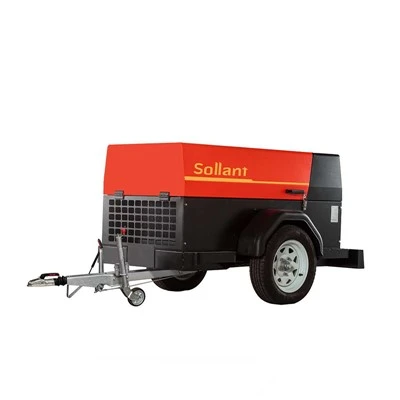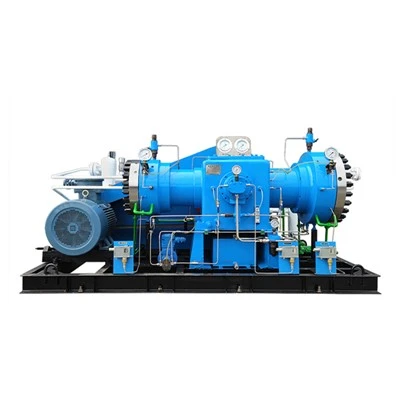
Transportation restrictions for a stationary diesel air compressor are a crucial aspect that both suppliers and customers need to understand thoroughly. As a supplier of Stationary Diesel Air Compressor, I've encountered various challenges and regulations in the transportation process, and I'm here to share some key points.
Weight and Size Limitations
One of the primary transportation restrictions for stationary diesel air compressors is related to their weight and size. These compressors are typically large and heavy due to the diesel engine and the compression components. Most transportation carriers have strict weight limits for different types of vehicles. For example, a standard semi - trailer truck may have a maximum payload capacity of around 40,000 pounds (about 18,144 kg). If the stationary diesel air compressor exceeds this weight, special permits and heavier - duty transportation equipment may be required.
In addition to weight, the size of the compressor also matters. Oversized loads, which are defined as loads that exceed the standard dimensions allowed on public roads, often face restrictions. A stationary diesel air compressor with a large footprint or excessive height may require a special trailer and a pilot vehicle to ensure safe transportation. This is because oversized loads can pose a risk to other road users, such as blocking sightlines or interfering with traffic flow.
Hazardous Materials
Diesel fuel is a hazardous material, and stationary diesel air compressors run on diesel. During transportation, the presence of diesel fuel in the compressor's tank adds another layer of complexity. Transportation of hazardous materials is strictly regulated by local, national, and international laws.
In the United States, for example, the Department of Transportation (DOT) has specific rules regarding the packaging, labeling, and documentation of hazardous materials. The compressor's fuel tank must be properly sealed to prevent leaks, and it should be labeled with the appropriate hazardous material placards. Shippers are also required to provide a detailed shipping paper that includes information about the type and quantity of the hazardous material being transported.
Environmental Regulations
Environmental regulations play a significant role in the transportation of stationary diesel air compressors. Diesel engines emit pollutants such as nitrogen oxides (NOx), particulate matter (PM), and carbon monoxide (CO). Some regions have strict emission standards for vehicles transporting equipment with diesel engines.
For instance, in California, the Air Resources Board (CARB) has established regulations to reduce emissions from off - road diesel engines. Compressors being transported through California may need to meet certain emission requirements, such as having a CARB - compliant diesel engine. This may involve retrofitting the compressor with emission - control devices or using cleaner - burning diesel fuels.


International Transportation
If you plan to export or import a stationary diesel air compressor, international transportation brings its own set of challenges. Different countries have different regulations regarding the import and export of equipment, especially those with diesel engines.
Customs clearance is a crucial step in international transportation. The compressor needs to comply with the import regulations of the destination country, which may include safety standards, emission requirements, and product certification. Some countries may also impose import duties and taxes on the compressor, which can significantly increase the overall cost of transportation.
Insurance and Liability
When transporting a stationary diesel air compressor, insurance is essential. Given the high value of the equipment and the potential risks associated with transportation, shippers and carriers should have adequate insurance coverage.
The shipper is typically responsible for insuring the compressor during transit. However, the terms of the insurance policy need to be carefully reviewed. Some policies may have exclusions for certain types of damage or transportation - related risks. Carriers also need to have liability insurance to cover any damage or loss that may occur during transportation.
Safety Precautions
Safety is of utmost importance during the transportation of stationary diesel air compressors. Before loading the compressor onto the transportation vehicle, it should be properly secured. This may involve using straps, chains, or other restraint systems to prevent the compressor from shifting or falling during transit.
The transportation vehicle itself should also be in good condition. The brakes, tires, and suspension should be inspected regularly to ensure safe operation. Drivers transporting the compressor should be trained in handling oversized or hazardous loads and should follow all safety procedures.
Alternative Transportation Options
In some cases, alternative transportation options may be considered to overcome the transportation restrictions. For example, instead of road transportation, rail transportation can be a viable option for large and heavy stationary diesel air compressors. Rail transportation can handle heavier loads and is often more fuel - efficient.
Another alternative is shipping by sea for international transportation. Container shipping can provide a secure and cost - effective way to transport the compressor over long distances. However, shipping by sea also has its own set of challenges, such as longer transit times and port - related regulations.
Conclusion
Transportation restrictions for stationary diesel air compressors are complex and multifaceted. From weight and size limitations to hazardous materials and environmental regulations, there are many factors to consider. As a supplier of Stationary Diesel Air Compressor, I understand the importance of complying with these regulations to ensure the safe and legal transportation of our products.
If you are interested in purchasing a stationary diesel air compressor or have questions about its transportation, please feel free to contact us. We have a team of experts who can provide you with detailed information and guidance on transportation options and compliance. Whether you need a Diesel Air Compressor for a small - scale project or a large - scale industrial application, we can offer the right solution for you. We also have Portable Electric Air Compressor options available if you prefer a non - diesel alternative.
References
- Department of Transportation (DOT). Hazardous Materials Regulations.
- California Air Resources Board (CARB). Emission Standards for Off - Road Diesel Engines.
- International Maritime Organization (IMO). Regulations for the Transportation of Goods by Sea.