Hey there! As a supplier of high pressure reciprocating compressors, I've been getting a lot of questions lately about energy-saving technologies for these bad boys. So, I thought I'd take a deep dive into the topic and share some insights with you all.
First off, let's talk about why energy-saving is such a big deal when it comes to high pressure reciprocating compressors. These machines are power-hungry beasts, and they can really rack up the electricity bill if they're not operating efficiently. Plus, with the growing emphasis on sustainability and reducing our carbon footprint, finding ways to cut down on energy consumption is more important than ever.
One of the most effective energy-saving technologies for high pressure reciprocating compressors is variable speed drive (VSD). You see, traditional compressors usually run at a fixed speed, which means they're either on or off. This can lead to a lot of wasted energy, especially when the compressor doesn't need to be running at full capacity all the time.
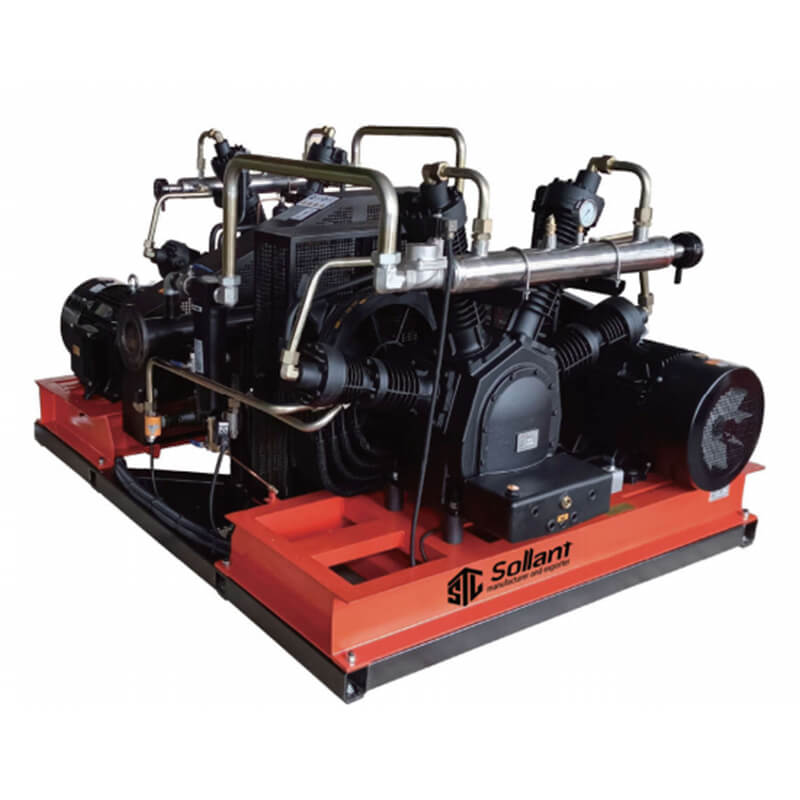

With a VSD, the compressor can adjust its speed based on the actual demand for compressed air. When the demand is low, the compressor slows down, using less energy. And when the demand increases, it speeds up to meet the need. This not only saves energy but also extends the lifespan of the compressor by reducing wear and tear.
Another great energy-saving technology is the use of advanced control systems. These systems can monitor the compressor's performance in real-time and make adjustments on the fly to optimize energy efficiency. For example, they can adjust the pressure settings, control the start and stop times, and even detect and fix minor issues before they turn into major problems.
Some advanced control systems can also integrate with other equipment in your facility, such as air dryers and filters. This allows for a more coordinated operation, further reducing energy consumption.
Now, let's talk about the design of the compressor itself. A well-designed high pressure reciprocating compressor can make a huge difference in energy efficiency. For instance, using high-quality materials and precision manufacturing techniques can reduce friction and leakage, which in turn reduces the amount of energy needed to compress the air.
The shape and size of the cylinders and pistons also play a role. Compressors with optimized cylinder and piston designs can achieve higher compression ratios with less energy input.
Also, proper lubrication is key. Using the right type of lubricant and ensuring that it's changed regularly can keep the compressor running smoothly and efficiently.
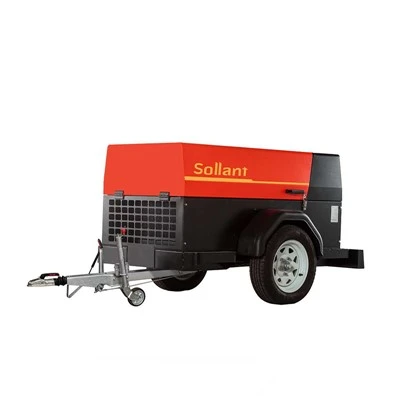
When it comes to our product lineup, we've got some great options that incorporate these energy-saving technologies. Take a look at our 15KW High Pressure Booster Air Compressor. This bad boy is equipped with a VSD and an advanced control system, which means it can adapt to your specific air demand and save you a ton of energy in the process.
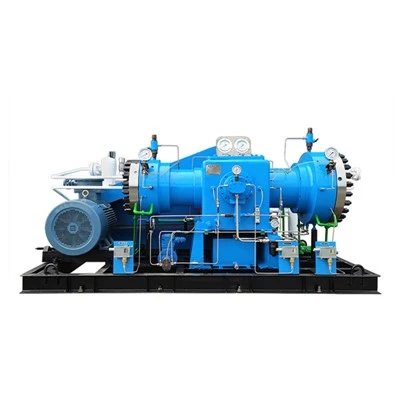
Our High Pressure Combi Booster Air Compressor is another great choice. It's designed with energy efficiency in mind, using high-quality components and a smart control system to ensure optimal performance.
And if you're looking for something a bit smaller, our 11KW High Pressure Booster Compressor is a fantastic option. It still packs a punch when it comes to performance but uses less energy compared to larger compressors.
In addition to these technologies, regular maintenance is crucial for energy efficiency. A dirty or worn-out compressor is going to use more energy to do the same job as a well-maintained one. So, make sure you're following the manufacturer's recommended maintenance schedule, including changing the filters, checking the belts, and inspecting the valves.
Another thing to consider is the installation of the compressor. Proper installation can ensure that the compressor is operating in the most efficient way possible. This includes things like making sure the compressor is level, providing adequate ventilation, and using the right size of piping.
If you're in the market for a high pressure reciprocating compressor, don't just focus on the upfront cost. Think about the long-term savings you can achieve by investing in an energy-efficient model. Over time, the money you save on energy bills can more than make up for the extra cost of a more efficient compressor.
We're here to help you make the right choice. Our team of experts can assess your specific needs and recommend the best compressor for your application. Whether you're running a small workshop or a large industrial facility, we've got a solution that can save you energy and money.
So, if you're interested in learning more about our high pressure reciprocating compressors and how they can help you save energy, don't hesitate to reach out. We're always happy to have a chat and answer any questions you might have. Let's work together to make your operation more energy-efficient and sustainable.
References
- Compressed Air and Gas Handbook, 4th Edition
- Energy Efficiency in Compressed Air Systems, Department of Energy Publications