Hey there! I'm a supplier of gas compressors, and I've seen my fair share of issues with these machines over the years. One of the most common problems that users face is overheating. In this blog post, I'm going to talk about what causes a gas compressor to overheat and how you can prevent it.
1. Lack of Proper Lubrication
Lubrication is crucial for the smooth operation of a gas compressor. When there's not enough lubricant, the moving parts in the compressor rub against each other, creating friction. And as we all know, friction generates heat.
Think about it like this: if you try to rub your hands together really fast, they'll start to get warm. Now, multiply that by the high - speed operation of the compressor's internal components. Without proper lubrication, the heat can build up quickly, leading to overheating.
Regularly checking the lubricant level and quality is a must. You should also follow the manufacturer's recommendations for lubricant type and change intervals. If you're using the wrong lubricant or not changing it often enough, it can lead to increased wear and tear on the compressor parts, which in turn can cause overheating.
2. Blocked Air Intake
The air intake is responsible for bringing in cool air to the compressor. If this intake gets blocked, the compressor can't get enough fresh air to cool itself down.
There are many things that can block the air intake. Dust, dirt, and debris can accumulate over time, especially if the compressor is operating in a dirty environment. Sometimes, objects like leaves or small pieces of paper can also find their way into the intake.
To prevent this, you need to keep the area around the compressor clean. Regularly inspect the air intake and clean it if necessary. You might also want to install an air filter to catch any large particles before they reach the intake.
3. Overworking the Compressor
Pushing a compressor beyond its limits is a surefire way to make it overheat. Every compressor has a rated capacity, which is the maximum amount of gas it can compress within a given time.
If you're trying to compress more gas than the compressor is designed for, it has to work harder. This extra work generates more heat, and if the compressor can't dissipate it fast enough, it will overheat.
It's important to know your compressor's capacity and not exceed it. If you need to compress a larger volume of gas, you might want to consider upgrading to a bigger compressor or using multiple compressors in parallel.


4. Faulty Cooling System
A compressor's cooling system is like the air - conditioning in your car. It's designed to keep the compressor at a safe operating temperature. If the cooling system is faulty, the compressor will overheat.
There are several components in the cooling system that can go wrong. The cooling fan might stop working, or there could be a problem with the radiator or the coolant circulation.
Regular maintenance of the cooling system is essential. Check the fan blades for damage, make sure the coolant levels are correct, and look for any signs of leaks in the coolant system. If you notice any issues, get them fixed as soon as possible.
5. High Ambient Temperature
The temperature of the environment where the compressor is located can also have a big impact on its operating temperature. If the ambient temperature is too high, the compressor has a harder time dissipating heat.
For example, if you're using a compressor in a hot, enclosed room with poor ventilation, the heat will build up around the compressor. This makes it much more likely to overheat.
Try to install the compressor in a well - ventilated area with a relatively low ambient temperature. If possible, use fans or air - conditioning to keep the area cool.
6. Worn - Out Components
Over time, the internal components of a compressor can wear out. Pistons, valves, and bearings are some of the parts that are prone to wear.
When these components wear out, they don't work as efficiently as they used to. This inefficiency can cause the compressor to work harder and generate more heat.
Regular maintenance and inspection can help you catch worn - out components early. Replace any parts that are showing signs of excessive wear to keep the compressor running smoothly.
7. Electrical Issues
Electrical problems can also lead to compressor overheating. If there's a problem with the motor, such as a short circuit or a faulty winding, it can cause the motor to draw more current.
More current means more heat generation. And since the motor is a major part of the compressor, this extra heat can quickly spread to the rest of the machine.
You should have a professional electrician check the electrical system of the compressor regularly. They can look for any signs of electrical problems and fix them before they cause serious damage.
8. Improper Installation
Installing a compressor incorrectly can cause all sorts of problems, including overheating. If the compressor is not installed on a level surface, it can put extra stress on some of the components.
This uneven stress can lead to increased friction and heat generation. Also, if the compressor is not properly connected to the power supply or the gas lines, it might not operate efficiently, which can also cause overheating.
Make sure to follow the manufacturer's installation instructions carefully. If you're not confident in your installation skills, it's best to hire a professional to do it for you.
How to Choose the Right Compressor to Avoid Overheating
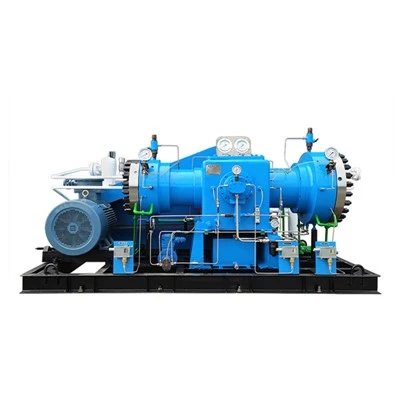
When you're in the market for a gas compressor, it's important to choose the right one for your needs. We offer a variety of compressors, including the LPG Compressor, Diaphragm Compressor, and Ammonia Compressor.
Consider the volume of gas you need to compress, the type of gas, and the operating environment. Make sure to choose a compressor with a capacity that can handle your requirements without being overworked.
Conclusion
Overheating is a common problem with gas compressors, but it's also preventable. By understanding the causes and taking the necessary steps to prevent them, you can keep your compressor running smoothly and avoid costly breakdowns.
If you're having trouble with your compressor overheating or if you're looking to buy a new one, don't hesitate to reach out. We're here to help you find the right solution for your gas compression needs. Whether you need a LPG Compressor, Diaphragm Compressor, or Ammonia Compressor, we've got you covered. Contact us today to start the procurement discussion and find the perfect compressor for your business.
References
- Compressor Handbook: A Guide to Compressor Technology and Applications
- Industrial Gas Compression: Principles and Practice