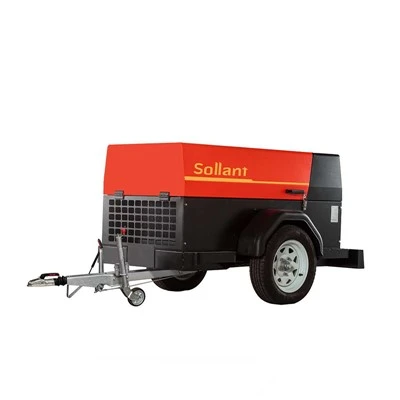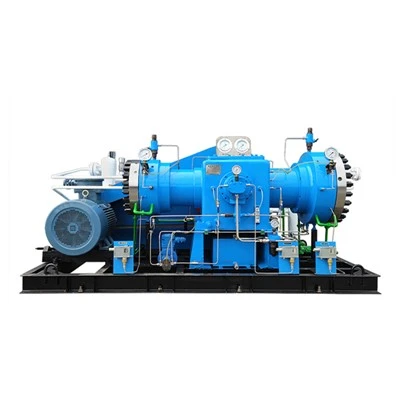
Hey there! As a supplier of high pressure reciprocating compressors, I've seen firsthand how the power consumption of these machines can be a real headache for many users. High power bills not only eat into your profits but also aren't great for the environment. So, in this blog, I'm gonna share some practical tips on how to reduce the power consumption of high pressure reciprocating compressors.
1. Regular Maintenance
First off, regular maintenance is super important. Just like a car needs regular tune - ups, high pressure reciprocating compressors need proper care too. Over time, parts can wear out, and this can lead to inefficiencies and increased power consumption.
For example, the valves in the compressor can get dirty or damaged. When the valves don't open and close properly, the compressor has to work harder to compress the air. So, make sure to clean or replace the valves at regular intervals.
Also, check the piston rings. Worn - out piston rings can cause air leakage, which means the compressor has to keep running to maintain the desired pressure. By replacing the piston rings when they're worn, you can significantly reduce the power needed to operate the compressor.
2. Optimize the Operating Pressure
Another key factor is the operating pressure. Running the compressor at a higher pressure than necessary is like driving a car with the accelerator floored all the time. It uses a lot more energy.
You should determine the actual pressure requirements of your application. Maybe your process only needs a certain level of pressure, and there's no need to run the compressor at its maximum capacity. By adjusting the pressure settings to match the actual needs, you can save a ton of power.
For instance, if your application usually requires a pressure of 100 psi, but the compressor is set to run at 150 psi, you're wasting energy. Lower the pressure to 100 psi, and you'll see a noticeable drop in power consumption.
3. Use the Right Size Compressor
Using a compressor that's too big for your needs is a common mistake. It's like using a sledgehammer to crack a nut. A compressor that's oversized will cycle on and off more frequently, and each time it starts up, it consumes a large amount of power.
On the other hand, an undersized compressor will have to run continuously at full capacity to meet the demand, which also uses a lot of energy. So, it's crucial to choose the right size compressor for your application.
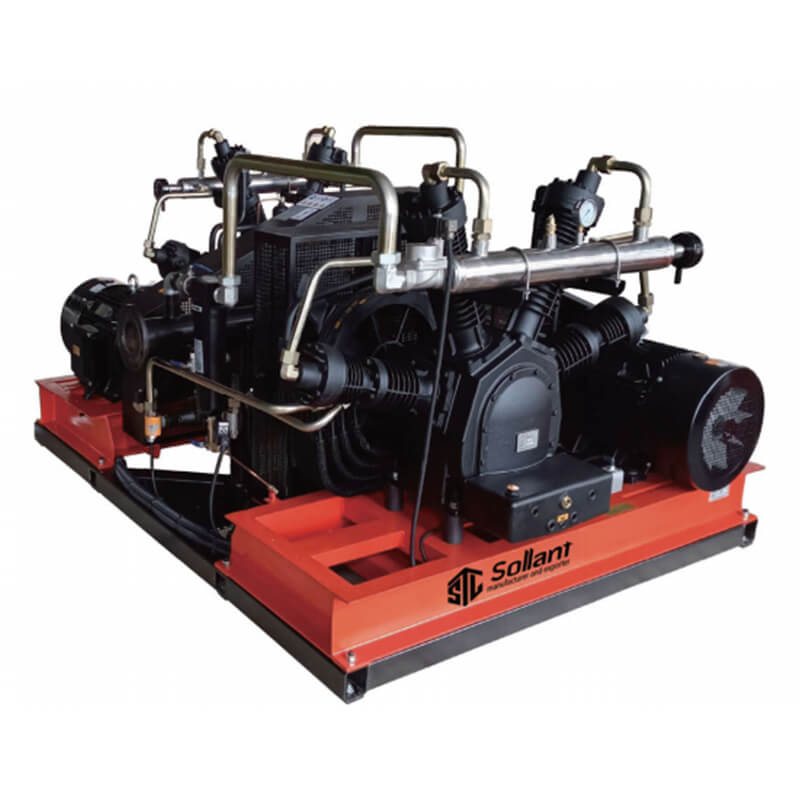
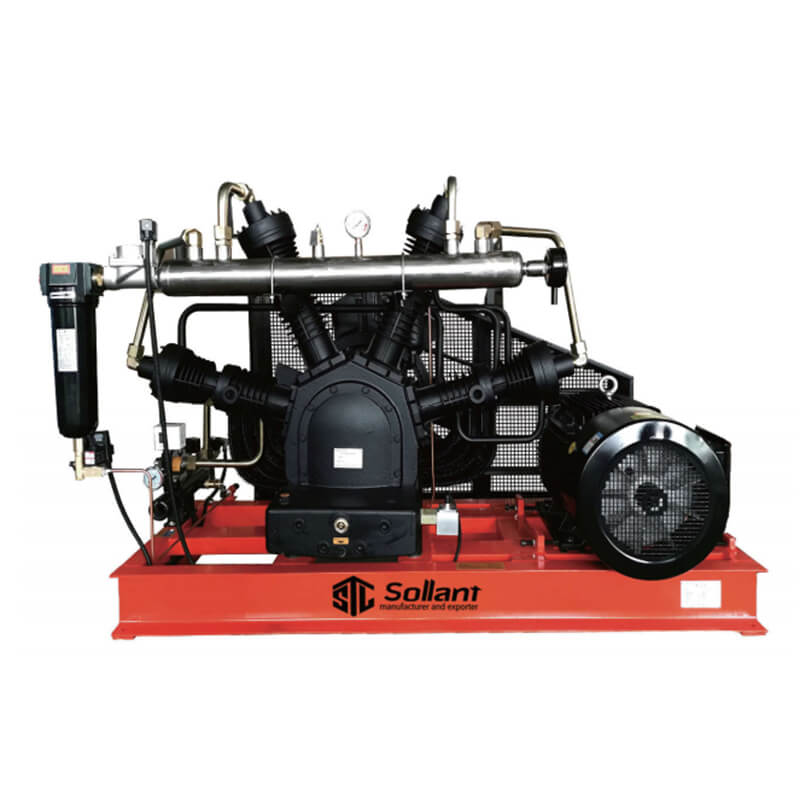
If you're in the market for a new compressor, consider the air volume and pressure requirements of your process. We offer a range of high pressure reciprocating compressors, like the 15KW Oil - Free Booster Compressor and the 30KW High Pressure Booster Air Compressor. These compressors are designed to match different application needs, so you can choose the one that's just right for you.
4. Improve the Cooling System
Proper cooling is essential for the efficient operation of a high pressure reciprocating compressor. When the compressor gets too hot, its efficiency drops, and it has to use more power to maintain the same level of performance.
Make sure the cooling system is working properly. Check the coolant levels and the condition of the cooling fins. If the cooling fins are dirty or blocked, they won't be able to dissipate heat effectively. Clean the cooling fins regularly to ensure good heat transfer.
Also, ensure that the airflow around the compressor is unobstructed. Don't place the compressor in a confined space where the hot air can't escape. A well - ventilated area will help keep the compressor cool and reduce power consumption.
5. Implement Variable Speed Drive (VSD)
Variable speed drive technology is a game - changer when it comes to reducing power consumption. A VSD allows the compressor to adjust its speed according to the air demand.
When the demand for compressed air is low, the compressor can slow down, using less power. And when the demand increases, it can speed up to meet the need. This way, the compressor only uses as much power as necessary.
For example, in a manufacturing plant where the air demand varies throughout the day, a compressor with a VSD can save a huge amount of energy compared to a fixed - speed compressor.
6. Seal the Air Leaks
Air leaks are like small holes in a bucket. They cause the compressor to work non - stop to replace the lost air. And all that extra work means more power consumption.
Inspect the entire air distribution system for leaks. Check the pipes, fittings, valves, and connections. You can use a soap solution to detect leaks. Just apply the soap solution to the suspected areas, and if there are bubbles, it means there's a leak.
Fixing even small air leaks can make a big difference. For large industrial facilities, air leaks can account for a significant portion of the total power consumption. By sealing the leaks, you can improve the overall efficiency of the compressor system.
7. Upgrade to Energy - Efficient Models
If your current compressor is old and inefficient, it might be time to consider an upgrade. Newer models are often designed with energy - saving features.
We have the High Pressure Combi Booster Air Compressor, which is built with advanced technology to reduce power consumption. These new compressors use less energy while delivering the same or better performance compared to older models.
By upgrading to an energy - efficient compressor, you can not only save on power costs but also benefit from improved reliability and performance.
Conclusion
Reducing the power consumption of high pressure reciprocating compressors is not only good for your bottom line but also for the environment. By following these tips, you can make your compressor system more energy - efficient.
If you're interested in learning more about our high pressure reciprocating compressors or need help in choosing the right one for your application, feel free to reach out. We're here to assist you in making the most energy - efficient and cost - effective choice.
References
- Compressed Air and Gas Institute (CAGI) - Guidelines on Compressor Efficiency
- ASHRAE (American Society of Heating, Refrigerating and Air - Conditioning Engineers) - Standards on Industrial Compressor Operation