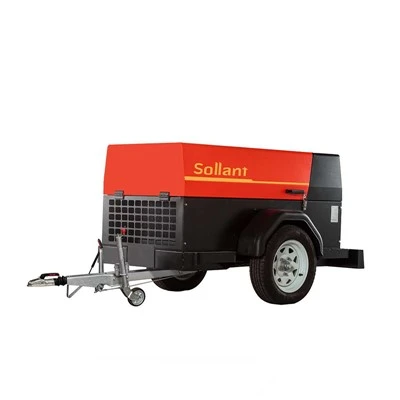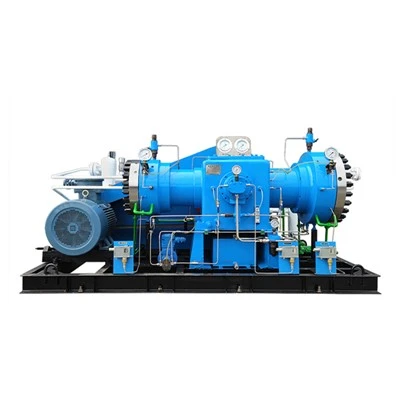
LPG compressors are crucial pieces of equipment in the liquefied petroleum gas industry. As an LPG compressor supplier, I've seen firsthand how high maintenance costs can eat into profits for our customers. In this blog, I'll share some practical tips on how to reduce the maintenance costs of an LPG compressor.
1. Regular Inspection and Preventive Maintenance
One of the most effective ways to cut down on maintenance costs is through regular inspections. Just like you'd take your car in for a tune - up, an LPG compressor needs routine check - ups. By doing so, you can catch small issues before they turn into major problems.
Inspect the compressor's components such as valves, pistons, and seals regularly. Look for signs of wear and tear, like leaks or abnormal noises. A simple visual inspection can go a long way. For instance, if you notice a small leak in a valve, fixing it early can prevent more serious damage to the compressor and save you from costly repairs later.
Preventive maintenance also includes tasks like changing the oil at the recommended intervals. The oil in an LPG compressor lubricates the moving parts and helps keep the compressor running smoothly. Old or dirty oil can cause excessive friction, leading to premature wear of components. Make sure to use the right type of oil specified by the manufacturer.
2. Proper Installation
The way an LPG compressor is installed can have a huge impact on its maintenance costs. A proper installation ensures that the compressor operates under optimal conditions.
First, make sure the compressor is installed on a stable and level surface. An uneven surface can cause vibrations, which can damage the compressor's internal components over time. Also, ensure that there is enough space around the compressor for proper ventilation. Good ventilation helps keep the compressor cool, reducing the risk of overheating.
When connecting the compressor to the LPG system, follow the manufacturer's instructions carefully. Incorrect connections can lead to leaks or other issues that will require costly repairs.
3. Operator Training
Well - trained operators are key to reducing maintenance costs. An operator who knows how to use the LPG compressor correctly can prevent many common problems.
Train operators on how to start and stop the compressor properly. Abrupt starts and stops can put extra stress on the compressor's components. Teach them to monitor the compressor's performance, including pressure, temperature, and flow rates. If an operator notices any abnormal readings, they can take action immediately, preventing further damage.
Also, provide training on basic troubleshooting. Operators should know how to identify and fix minor issues, such as a clogged filter, without having to call in a technician. This can save both time and money.
4. Use High - Quality Parts
When it comes to replacing parts in an LPG compressor, it's tempting to go for the cheapest option. However, using low - quality parts can end up costing you more in the long run.
High - quality parts are more durable and reliable. They are less likely to break down or wear out quickly. For example, a high - quality piston ring will last longer and provide a better seal, reducing the risk of gas leaks.
As an LPG compressor supplier, I always recommend using parts that are specifically designed for your compressor model. This ensures a proper fit and optimal performance.
5. Monitor and Analyze Performance Data
Modern LPG compressors are often equipped with sensors that can collect performance data. Monitoring this data can help you identify trends and potential issues before they become serious.
Track parameters such as temperature, pressure, and energy consumption. If you notice a sudden increase in energy consumption, it could be a sign of a problem, like a leak or a worn - out component. Analyzing this data can help you make informed decisions about maintenance and repairs.
There are also software tools available that can help you analyze the performance data more effectively. These tools can generate reports and alerts, making it easier to manage the maintenance of your LPG compressor.
6. Consider Upgrades
If your LPG compressor is old, it might be worth considering an upgrade. Newer models are often more energy - efficient and require less maintenance.
For example, some modern LPG compressors use advanced technology to reduce friction and wear. They may also have better control systems that can optimize the compressor's performance.
Upgrading your compressor can also improve its safety features. This is especially important in the LPG industry, where safety is a top priority.
7. Partner with a Reliable Supplier
As an LPG compressor supplier, I understand the importance of having a reliable partner. A good supplier can provide you with high - quality compressors, parts, and technical support.
When choosing a supplier, look for one with a good reputation and a track record of providing excellent customer service. They should be able to offer you advice on maintenance and help you troubleshoot any issues that arise.
If you're interested in other types of compressors, we also offer Biogas Compressor, Nitrogen Compressor, and Oxygen Compressor.
In conclusion, reducing the maintenance costs of an LPG compressor requires a combination of regular inspection, proper installation, operator training, using high - quality parts, monitoring performance data, considering upgrades, and partnering with a reliable supplier. By following these tips, you can keep your LPG compressor running smoothly and save money on maintenance in the long run.
If you're looking to purchase an LPG compressor or need more information on how to reduce maintenance costs, feel free to reach out. We're here to help you make the best decisions for your business.


References
- Manufacturer's manuals for LPG compressors
- Industry best practices for compressor maintenance
- Technical papers on compressor performance and reliability