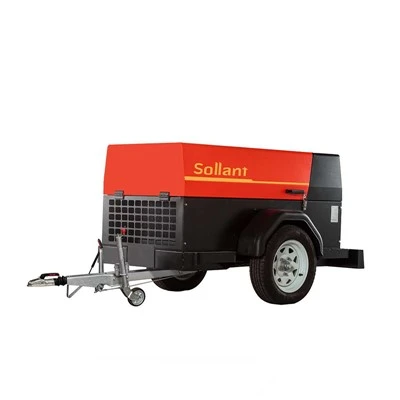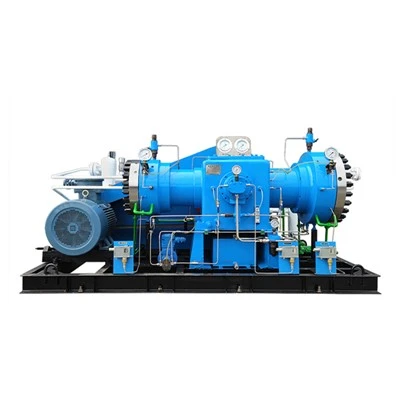
Installing a high pressure breathing air compressor correctly is crucial for ensuring its optimal performance, safety, and longevity. As a supplier of high pressure breathing air compressors, I understand the significance of proper installation. In this blog, I will guide you through the step - by - step process of correctly installing a high pressure breathing air compressor.
1. Site Selection
The first step in installing a high pressure breathing air compressor is to choose an appropriate installation site.
- Ventilation: The site should have good ventilation. High pressure breathing air compressors generate heat during operation. Poor ventilation can cause the compressor to overheat, which may lead to damage or reduced efficiency. A well - ventilated area allows the heat to dissipate effectively. For example, an open warehouse or a room with large windows and fans can be ideal.
- Level Surface: The compressor must be installed on a level surface. An uneven surface can cause excessive vibration during operation, which not only affects the compressor's performance but also may lead to premature wear and tear of its components. You can use a spirit level to ensure the surface is completely flat.
- Accessibility: The installation site should be easily accessible for maintenance and inspection. This includes having enough space around the compressor for technicians to move freely, reach all the components, and perform necessary repairs or replacements.
2. Unpacking and Inspection
Once you have selected the installation site, carefully unpack the high pressure breathing air compressor.


- Inspect for Damage: Check the compressor for any visible damage during transit. Look for dents, scratches, or loose parts. If you find any damage, contact the supplier immediately. In our case, as a high - quality supplier, we ensure that our products are well - packaged and inspected before shipment, but transportation can sometimes cause unforeseen issues.
- Verify Components: Make sure all the components listed in the user manual are present. This includes hoses, filters, valves, and any other accessories. For instance, our SLT - 100 Respirator Air Pump High Pressure Compressor comes with a comprehensive set of components that are essential for its proper functioning.
3. Electrical Connection
High pressure breathing air compressors are usually powered by electricity.
- Correct Voltage: Ensure that the electrical supply matches the voltage requirements of the compressor. Incorrect voltage can damage the compressor's motor and other electrical components. Refer to the user manual for the specific voltage requirements.
- Proper Wiring: Use the appropriate gauge of electrical wire for the connection. The wire should be able to handle the current load of the compressor. Also, make sure the wiring is properly grounded to prevent electrical shocks and short - circuits. It is recommended to hire a qualified electrician for the electrical connection to ensure safety and compliance with electrical codes.
4. Piping Installation
Piping is an important part of the high pressure breathing air compressor system.
- Pipe Material: Select the right pipe material. For high pressure applications, materials like stainless steel or copper are commonly used. These materials can withstand high pressure and are resistant to corrosion.
- Pipe Size: The pipe size should be appropriate for the flow rate of the compressor. A pipe that is too small can cause excessive pressure drop, while a pipe that is too large may lead to inefficiencies. Refer to the compressor's specifications to determine the correct pipe size.
- Proper Fittings: Use high - quality fittings to connect the pipes. Ensure that the fittings are tightened properly to prevent air leaks. Air leaks can not only reduce the efficiency of the compressor but also pose a safety hazard.
5. Filter Installation
Filters play a crucial role in ensuring the quality of the breathing air.
- Air Intake Filter: Install the air intake filter correctly. This filter removes dust, dirt, and other contaminants from the air before it enters the compressor. A clean air intake filter helps to protect the compressor's internal components and ensures the quality of the compressed air.
- Oil Filter: If the compressor has an oil - lubricated system, install the oil filter. The oil filter helps to remove impurities from the oil, which is essential for the proper lubrication of the compressor's moving parts.
6. Pressure Relief Valve Installation
A pressure relief valve is a safety device that protects the compressor from over - pressurization.
- Correct Location: Install the pressure relief valve in the appropriate location as specified in the user manual. The valve should be easily accessible for inspection and maintenance.
- Proper Setting: Set the pressure relief valve to the correct pressure rating. This rating should be in accordance with the compressor's maximum operating pressure. A properly set pressure relief valve can prevent dangerous over - pressurization situations.
7. Testing and Commissioning
After the installation is complete, it is time to test the high pressure breathing air compressor.
- Initial Start - up: Before starting the compressor, double - check all the connections and settings. Start the compressor and let it run for a few minutes. Listen for any unusual noises or vibrations. If you notice any problems, stop the compressor immediately and investigate the cause.
- Pressure and Flow Testing: Use pressure gauges and flow meters to test the pressure and flow rate of the compressed air. Ensure that the compressor is operating within the specified parameters. Adjust the settings if necessary.
- Quality Testing: Test the quality of the compressed air. This can be done using air quality testing kits. The compressed air should meet the required standards for breathing air, such as having low levels of contaminants like oil, water, and carbon monoxide.
8. Maintenance Plan
A proper maintenance plan is essential for the long - term performance of the high pressure breathing air compressor.
- Regular Inspections: Schedule regular inspections of the compressor, including checking the components for wear and tear, tightening loose connections, and cleaning the filters.
- Oil Changes: If the compressor is oil - lubricated, change the oil at the recommended intervals. Fresh oil helps to ensure proper lubrication and cooling of the compressor's moving parts.
- Filter Replacements: Replace the air intake and oil filters as recommended by the manufacturer. This helps to maintain the quality of the compressed air and the efficiency of the compressor.
In conclusion, installing a high pressure breathing air compressor correctly is a multi - step process that requires careful attention to detail. By following these steps, you can ensure that your compressor operates safely and efficiently. If you are in the market for a high pressure breathing air compressor, we offer a range of high - quality products, such as the SLT - 720 Respirator Air Pump High Pressure Compressor and the SLT - 680 Respirator Air Pump High Pressure Air Compressor. If you have any questions or would like to discuss your specific requirements, please feel free to contact us for a procurement consultation.
References
- Compressor Installation and Maintenance Manuals
- Industry Standards for High Pressure Breathing Air Compressors