Alright folks, as a supplier of high pressure reciprocating compressors, I've been in the thick of it when it comes to understanding how different environmental conditions can mess with these machines. Today, I wanna talk about one particular factor that can really throw a wrench in the works: cold weather.
Lubrication Woes
Let's start with lubrication. In high pressure reciprocating compressors, proper lubrication is crucial. It reduces friction between moving parts, helps with heat dissipation, and prevents wear and tear. But when the mercury drops, the viscosity of the lubricating oil changes big time.

Oil that works just fine in normal temperatures can become thicker in cold weather. Think of it like honey in the fridge – it gets all gooey and doesn't flow easily. This increased viscosity means that the oil might not be able to reach all the parts that need lubrication as quickly or effectively. The pistons, rods, and other moving components are left to rub against each other with less lubrication, leading to increased friction.
Higher friction, of course, generates more heat. That's ironic considering we're talking about cold weather, but it's a real problem. The extra heat can cause localized overheating, which can damage the compressor parts over time. Seals might start to degrade, gaskets could fail, and in extreme cases, the compressor might even seize up.
Impact on Seals and Gaskets
Speaking of seals and gaskets, cold weather is no friend to these rubber or elastomeric components. Most seals and gaskets are designed to work within a certain temperature range. When it gets cold, they lose their flexibility.
You know how rubber bands get brittle and snap when they're exposed to cold? Well, it's a similar deal with compressor seals. As they become less flexible, they're more likely to crack or develop leaks. And in a high pressure reciprocating compressor, even a small leak can be a huge headache.
Leaking seals mean that the compressed gas can escape from the system. This not only reduces the efficiency of the compressor but can also be a safety hazard, especially if the gas being compressed is flammable or toxic. Plus, having to constantly replace seals and gaskets is a major pain in the butt and can cost a fortune in maintenance.
Compression Efficiency
Cold weather can also have a significant impact on the compression efficiency of high pressure reciprocating compressors. When the air or gas entering the compressor is cold, its density is higher. While this might seem like a good thing at first glance, it can actually cause problems.
The compressor is designed to compress a certain volume of gas at a given pressure ratio. But when the gas is denser due to the cold, the compressor has to work harder to achieve the same level of compression. This means increased power consumption, which directly translates to higher operating costs.
Moreover, the denser gas can put more stress on the compressor's components. The pistons, cylinders, and valves have to handle a greater mass of gas with each stroke, leading to faster wear and tear. This reduces the overall lifespan of the compressor and increases the likelihood of breakdowns.
Solutions and Our Compressor Offerings
So, what can you do to mitigate these cold - weather issues? Well, there are a few things. First off, using a low - temperature lubricant is a must. These lubricants are formulated to maintain their viscosity even in cold conditions, ensuring that your compressor's moving parts stay well - lubricated.
Another solution is to install heating elements in the compressor system. This can help keep the lubricant, seals, and the gas being compressed at an optimal temperature. You can also insulate the compressor to prevent heat loss.
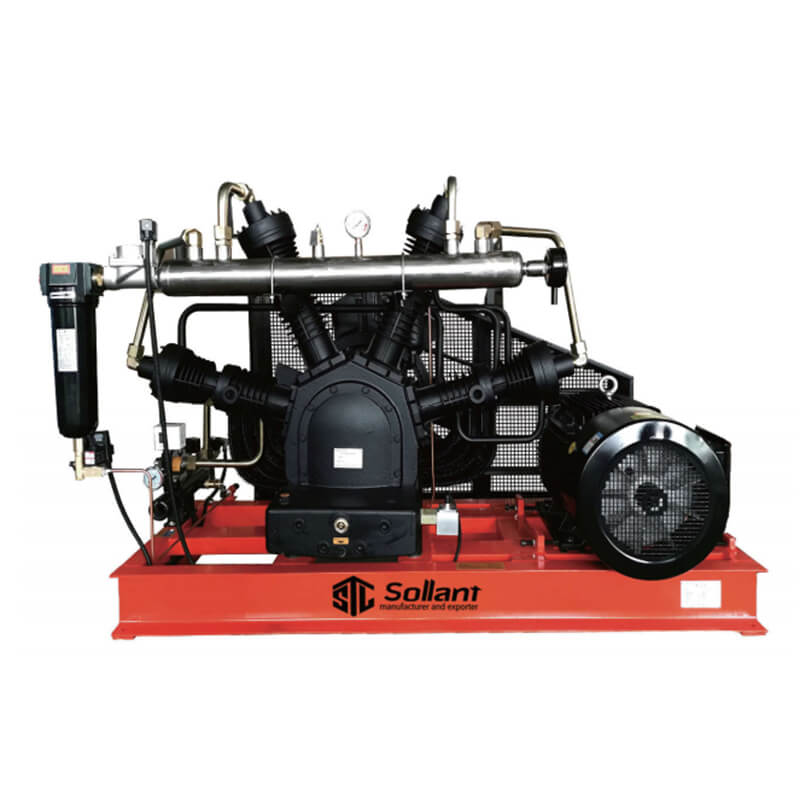
Now, let me tell you about some of the high pressure reciprocating compressors we offer. Check out our 30KW High Pressure Booster Air Compressor. It's a workhorse that's built to handle tough conditions, including cold weather. With proper maintenance and the right precautions, it can keep running smoothly even when the temperature drops.
We also have the 15KW High Pressure Booster Air Compressor. It's a more compact option, perfect for smaller applications. And if you're looking for an oil - free solution, our 75 - 110KW Oil - Free Booster Compressor is a great choice. These compressors are designed with high - quality materials and advanced technology to minimize the impact of cold weather on their performance.
Why Contact Us
If you're in the market for a high pressure reciprocating compressor, especially one that can withstand cold weather, we're here to help. Our team of experts has years of experience in the industry and can provide you with all the information you need to make the right choice. We understand the challenges that cold weather can pose to these machines, and we've got the solutions. Whether you need advice on cold - weather maintenance, or you're looking to purchase a new compressor, we're just a message away. Don't hesitate to reach out if you have any questions or if you're ready to start the procurement process. Get in touch, and let's find the perfect compressor for your needs.
References
- Compressor Handbook, Industrial Press Inc.
- Handbook of Small Compressors, Marcel Dekker, Inc.
- The Basics of Reciprocating Compressors, Compressed Air Best Practices® Magazine