Hey there! As a supplier of Oil Free Screw Blowers, I often get asked about the maintenance these nifty machines need. So, I thought I'd put together this blog to share all the ins and outs of keeping your oil free screw blower in top - notch condition.
First off, let's understand why maintenance is so crucial. An oil free screw blower is a significant investment, and proper maintenance not only extends its lifespan but also ensures it operates at peak efficiency. A well - maintained blower can save you a ton of money in the long run by reducing energy consumption and avoiding costly breakdowns.
Regular Inspection
One of the most basic yet essential maintenance tasks is regular inspection. You should visually check your blower at least once a week. Look for any signs of wear and tear, loose connections, or leaks. Pay special attention to the screws and bolts that hold the blower together. Over time, vibrations can cause these to loosen, which could lead to bigger problems down the line.
Inspect the air intake filters as well. These filters are responsible for keeping dust and debris out of the blower. If they get clogged, the blower has to work harder to draw in air, which can increase energy consumption and put extra strain on the motor. A clogged filter can usually be cleaned or replaced easily. For cleaning, you can use compressed air to blow out the debris. If the filter is too dirty or damaged, it's best to replace it with a new one. You can find high - quality replacement filters from reliable suppliers, and it's a good idea to keep a few spares on hand.
Lubrication (or Lack Thereof)
As the name suggests, oil free screw blowers don't require oil for lubrication. This is a huge advantage as it eliminates the need for regular oil changes and reduces the risk of oil contamination in the compressed air. However, that doesn't mean there's no lubrication at all. Some parts of the blower, like the bearings, still need proper lubrication.

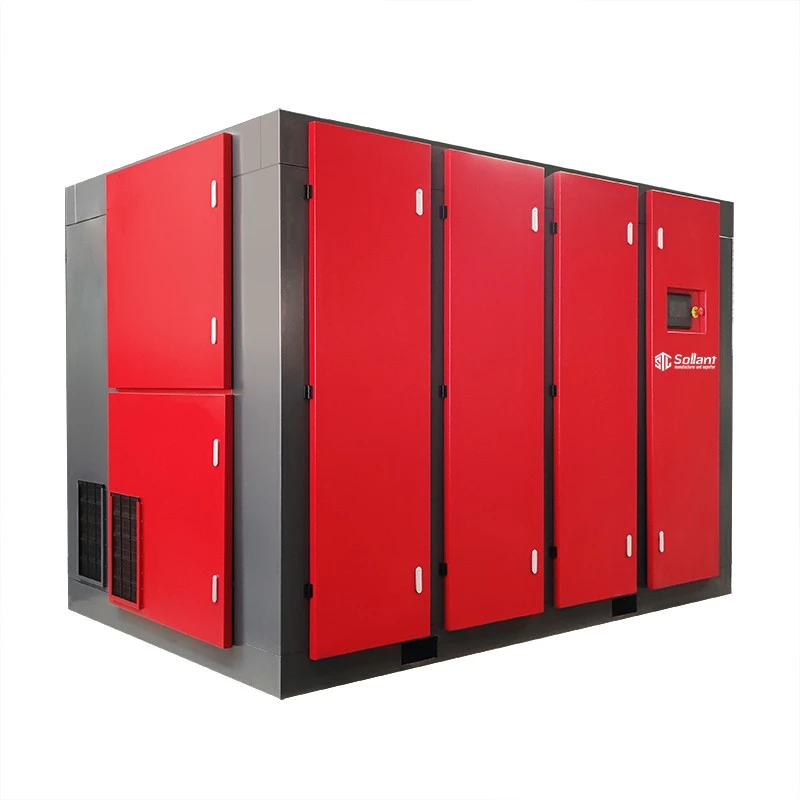
The bearings in an oil free screw blower are usually pre - lubricated, but they still need to be checked periodically. If you notice any unusual noises or vibrations coming from the blower, it could be a sign that the bearings are in need of attention. In some cases, you may need to re - lubricate the bearings according to the manufacturer's instructions. It's important to use the right type of lubricant specified by the manufacturer. Using the wrong lubricant can damage the bearings and other components of the blower.
Cooling System Maintenance
The cooling system of an oil free screw blower is vital for its proper operation. The blower generates heat during operation, and if this heat isn't dissipated effectively, it can cause the components to overheat and fail. Most oil free screw blowers have a cooling system that uses either air or water.
If your blower has an air - cooled system, make sure the cooling fins are clean and free of debris. The cooling fins are designed to increase the surface area for heat transfer, so if they're blocked, the cooling efficiency will be reduced. You can use a soft brush or compressed air to clean the fins.
For water - cooled blowers, you need to pay attention to the water quality and flow rate. The water used in the cooling system should be clean and free of minerals and contaminants. Hard water can cause scale buildup in the cooling pipes, which can reduce the water flow and cooling efficiency. You can use water treatment chemicals to prevent scale buildup, or you can install a water softener if the water in your area is particularly hard. Also, regularly check the water flow rate to ensure that the blower is getting enough cooling water.
Belt and Drive System Maintenance
Many oil free screw blowers use a belt and drive system to transfer power from the motor to the blower. The belts in this system need to be checked regularly for tension and wear. A loose belt can slip, which reduces the efficiency of the blower and can cause the motor to overheat. On the other hand, a belt that's too tight can put extra strain on the motor and bearings.
You can check the belt tension by pressing down on the belt at the mid - point between the pulleys. There should be a small amount of deflection, usually around 1/2 to 3/4 of an inch, depending on the size of the belt. If the belt is too loose or too tight, you can adjust the tension according to the manufacturer's instructions.
Also, look for signs of wear on the belt, such as cracks, fraying, or glazing. A worn - out belt should be replaced immediately to avoid unexpected breakdowns. It's a good idea to keep a spare belt on hand so that you can replace it quickly if needed.
Electrical System Checks
The electrical system of an oil free screw blower is another critical component that needs regular maintenance. Start by checking the electrical connections. Loose or corroded connections can cause electrical problems, including overheating and short circuits. Make sure all the wires are securely connected and that there are no signs of corrosion or damage.
You should also check the motor and control panel regularly. The motor is the heart of the blower, and any issues with it can cause the blower to stop working. Look for any signs of overheating, such as a burning smell or discolored insulation. The control panel is responsible for regulating the operation of the blower, so make sure all the switches, sensors, and indicators are working properly.
If you're not familiar with electrical systems, it's best to have a qualified electrician perform these checks. They have the knowledge and tools to safely inspect and maintain the electrical components of your blower.
Comparison with Other Compressors
It's interesting to compare oil free screw blowers with other types of compressors, like Water Injected Air Compressor and Oil free Air Compressor. Water injected air compressors use water for cooling and lubrication, which can be a bit more complex to maintain compared to oil free screw blowers. They require regular water quality checks and may need more frequent maintenance of the water injection system.
Oil free air compressors, including Dry Oil Free Air Compressor, share some similarities with oil free screw blowers in terms of not using oil for lubrication. However, their design and operation can be different, and the maintenance requirements may vary. For example, some dry oil free air compressors may have different filter requirements or cooling mechanisms.
Conclusion and Call to Action
Maintaining an oil free screw blower isn't overly complicated, but it does require regular attention and care. By following the maintenance tips outlined in this blog, you can ensure that your blower operates efficiently and reliably for years to come.
If you're in the market for an oil free screw blower or need replacement parts and maintenance services, I'd love to hear from you. As a supplier, I have a wide range of high - quality oil free screw blowers and all the necessary accessories. Whether you're a small business or a large industrial operation, I can help you find the right solution for your needs. Don't hesitate to reach out if you have any questions or if you're ready to start a conversation about your blower requirements.
References
- Manufacturer's manuals for oil free screw blowers
- Industry standards and best practices for compressor maintenance
- Technical articles on air compressor technology and maintenance