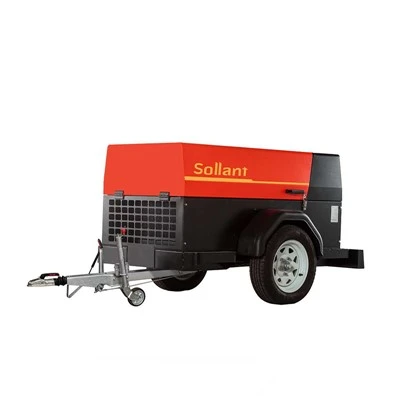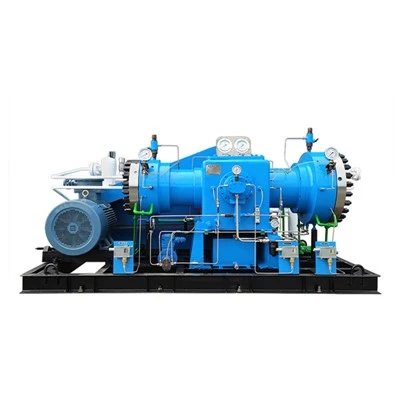
In recent years, the concept of mobile biogas plants has gained significant traction as a sustainable solution for decentralized energy production. These plants offer the flexibility to generate biogas from various organic waste sources on - the - go, making them an attractive option for remote locations, agricultural fields, and even events. As a leading biogas compressor supplier, I often receive inquiries about whether a biogas compressor can be effectively used in mobile biogas plants. In this blog, we will explore the technical, economic, and practical aspects of integrating biogas compressors into mobile biogas systems.
Technical Feasibility
Biogas, primarily composed of methane and carbon dioxide, needs to be compressed for efficient storage and transportation. A biogas compressor plays a crucial role in this process by increasing the pressure of the biogas, which in turn reduces its volume. This allows for a larger amount of biogas to be stored in a smaller space, making it more suitable for mobile applications.
The design of modern biogas compressors is highly adaptable. They can be customized to handle different flow rates and pressures, depending on the specific requirements of the mobile biogas plant. For instance, a smaller mobile plant used for on - farm operations may require a compressor with a lower flow rate, while a larger plant serving multiple locations might need a more powerful unit.
In terms of compatibility, biogas compressors are engineered to handle the impurities present in biogas. Biogas from mobile plants can contain moisture, hydrogen sulfide, and other trace elements. High - quality biogas compressors are equipped with filtration and purification systems to remove these contaminants, ensuring the longevity of the compressor and the quality of the compressed biogas.
Economic Considerations
From an economic perspective, using a biogas compressor in a mobile biogas plant can be highly beneficial. Compressed biogas (CBG) has a higher energy density compared to uncompressed biogas. This means that more energy can be stored and transported in a given volume, reducing the overall cost of energy distribution.
For mobile biogas plant operators, the ability to compress and sell CBG can open up new revenue streams. CBG can be used as a vehicle fuel, replacing traditional fossil fuels such as diesel and gasoline. This not only provides an alternative energy source but also contributes to reducing greenhouse gas emissions.
Moreover, the cost of biogas compressors has been decreasing over the years due to technological advancements and economies of scale. As a supplier, we offer a range of biogas compressors at competitive prices, making it more affordable for mobile biogas plant operators to invest in this technology.
Practical Challenges and Solutions
While the use of biogas compressors in mobile biogas plants has many advantages, there are also some practical challenges that need to be addressed. One of the main challenges is the space limitation in mobile units. Mobile biogas plants are often designed to be compact, and finding enough space to install a biogas compressor can be difficult.
However, modern biogas compressors are designed to be more compact and lightweight. They can be easily integrated into the existing layout of mobile biogas plants without taking up too much space. Additionally, some compressors are designed for modular installation, allowing for easy addition or removal as per the plant's requirements.
Another challenge is the power supply for the compressor. Mobile biogas plants may not have a reliable grid connection, especially in remote areas. To overcome this, biogas compressors can be powered by the biogas itself. This not only provides a self - sufficient power source but also reduces the overall operating cost of the plant.

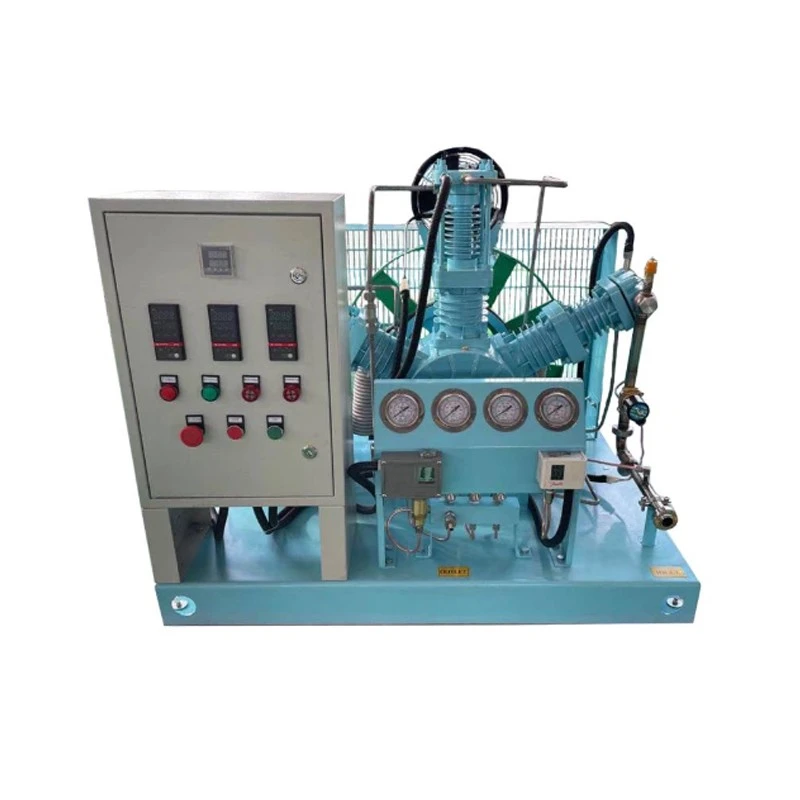
Comparison with Other Compressors
When considering a biogas compressor for a mobile biogas plant, it's also important to understand how it compares with other types of compressors. For example, an Ammonia Compressor is mainly used in industrial refrigeration systems and is designed to handle ammonia gas. While it can achieve high - pressure compression, it is not suitable for biogas due to the different chemical properties of ammonia and biogas.
Similarly, an LPG Compressor is used for compressing liquefied petroleum gas. LPG has a different composition and pressure - temperature characteristics compared to biogas. Therefore, using an LPG compressor for biogas would not be efficient or safe.
An Oxygen Compressor is designed to handle oxygen gas, which is highly reactive. Biogas, on the other hand, is a mixture of relatively stable gases. So, an oxygen compressor is not a suitable option for biogas compression.
Conclusion
In conclusion, a biogas compressor can indeed be effectively used in mobile biogas plants. It offers technical feasibility, economic benefits, and solutions to many of the practical challenges associated with mobile biogas production. As a biogas compressor supplier, we are committed to providing high - quality, reliable, and cost - effective compressors for mobile biogas plants.
If you are interested in learning more about how our biogas compressors can enhance the performance of your mobile biogas plant, or if you are considering purchasing a biogas compressor for your project, we encourage you to reach out to us. Our team of experts is ready to assist you in finding the best solution for your specific needs.
References
- Smith, J. (2020). "Advances in Biogas Compression Technology". Renewable Energy Journal.
- Brown, A. (2019). "Economic Analysis of Mobile Biogas Plants with Compression Systems". Energy Economics Review.
- Green, C. (2021). "Practical Considerations for Integrating Compressors in Mobile Biogas Units". Sustainable Energy Solutions Magazine.