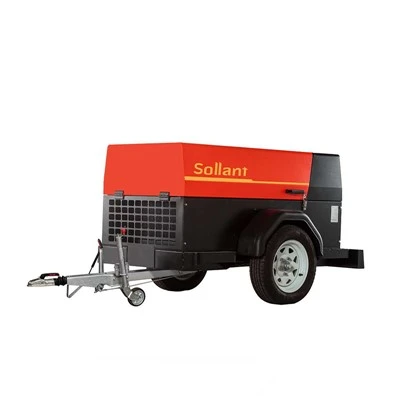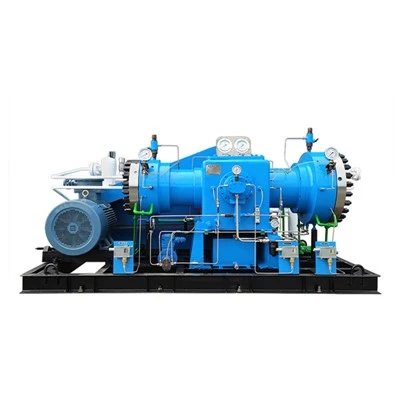
Oxygen compressors play a pivotal role in various industries, from healthcare to manufacturing. As a dedicated supplier of [link text="Oxygen Compressor" url="/gas-compressor/oxygen-compressor.html"], I've witnessed firsthand the diverse applications and requirements of these essential machines. In this blog post, I'll delve into the main types of oxygen compressors, their unique features, and the industries they serve.
Reciprocating Oxygen Compressors
Reciprocating oxygen compressors are among the most common types in the market. They operate on a simple yet effective principle: a piston moves back and forth within a cylinder, creating a vacuum to draw in oxygen and then compressing it to the desired pressure.
One of the key advantages of reciprocating compressors is their ability to achieve high pressures. This makes them ideal for applications where oxygen needs to be stored or transported at elevated pressures, such as in medical oxygen cylinders or industrial gas storage facilities. Additionally, reciprocating compressors are known for their durability and reliability, making them a popular choice for continuous operation in demanding environments.
However, reciprocating compressors also have some limitations. They tend to be larger and heavier than other types of compressors, which can make them less suitable for applications where space is limited. They also generate more vibration and noise during operation, which may require additional measures for soundproofing and vibration isolation.
Rotary Screw Oxygen Compressors
Rotary screw oxygen compressors are another popular option, especially for applications that require a continuous supply of compressed oxygen. These compressors use two interlocking screws to compress the oxygen as it passes through the compressor chamber.
One of the main advantages of rotary screw compressors is their high efficiency. They can operate at a relatively constant speed, which reduces energy consumption and operating costs. They also have a compact design, making them suitable for applications where space is at a premium. Additionally, rotary screw compressors are known for their smooth and quiet operation, which makes them a good choice for indoor applications.
However, rotary screw compressors are generally more expensive than reciprocating compressors. They also require regular maintenance to ensure optimal performance, including oil changes and filter replacements.
Centrifugal Oxygen Compressors
Centrifugal oxygen compressors are typically used for large-scale industrial applications that require a high volume of compressed oxygen. These compressors use a rotating impeller to accelerate the oxygen and then convert the kinetic energy into pressure energy.
One of the key advantages of centrifugal compressors is their high capacity. They can handle large volumes of oxygen at relatively high pressures, making them suitable for applications such as steelmaking, chemical processing, and power generation. Centrifugal compressors also have a simple and reliable design, which reduces maintenance requirements and downtime.


However, centrifugal compressors are generally less efficient than reciprocating or rotary screw compressors at lower flow rates. They also require a significant amount of power to operate, which can result in higher energy costs.
Diaphragm Oxygen Compressors
Diaphragm oxygen compressors are a specialized type of compressor that uses a flexible diaphragm to compress the oxygen. These compressors are often used in applications where oil-free compression is required, such as in the pharmaceutical and food industries.
One of the main advantages of diaphragm compressors is their ability to provide oil-free compression. This ensures that the compressed oxygen is free from contaminants, which is essential for applications where purity is critical. Diaphragm compressors also have a compact and lightweight design, making them suitable for portable or mobile applications.
However, diaphragm compressors are generally limited in terms of their pressure and flow capacity. They are also more expensive than other types of compressors, which can make them less cost-effective for large-scale applications.
Applications of Oxygen Compressors
Oxygen compressors are used in a wide range of industries, each with its own specific requirements and applications. Here are some of the most common industries that use oxygen compressors:
- Healthcare: Oxygen compressors are used in hospitals, clinics, and home healthcare settings to provide a continuous supply of compressed oxygen for patients with respiratory conditions. They are also used in medical research and laboratory applications.
- Manufacturing: Oxygen compressors are used in various manufacturing processes, such as welding, cutting, and heat treatment. They are also used in the production of chemicals, plastics, and other materials.
- Aerospace: Oxygen compressors are used in aircraft and spacecraft to provide a supply of breathable air for the crew. They are also used in rocket engines to provide the oxygen needed for combustion.
- Food and Beverage: Oxygen compressors are used in the food and beverage industry to provide a controlled atmosphere for packaging and storage. They are also used in the production of beer, wine, and other alcoholic beverages.
- Water Treatment: Oxygen compressors are used in water treatment plants to provide the oxygen needed for aerobic digestion and other biological processes. They are also used in the disinfection of water using ozone.
Choosing the Right Oxygen Compressor
Choosing the right oxygen compressor for your application is crucial to ensure optimal performance and efficiency. Here are some factors to consider when selecting an oxygen compressor:
- Flow Rate: The flow rate of the compressor is the amount of oxygen it can deliver per unit of time. This is typically measured in cubic feet per minute (CFM) or liters per minute (LPM). You'll need to determine the required flow rate based on your application's specific needs.
- Pressure: The pressure of the compressor is the amount of force it can exert on the oxygen. This is typically measured in pounds per square inch (PSI) or bar. You'll need to determine the required pressure based on your application's specific needs.
- Purity: The purity of the compressed oxygen is an important consideration, especially for applications where purity is critical. You'll need to ensure that the compressor you choose can provide the required level of purity.
- Oil-Free Operation: If your application requires oil-free compression, you'll need to choose a compressor that is designed for oil-free operation. This will ensure that the compressed oxygen is free from contaminants.
- Noise and Vibration: If your application is sensitive to noise and vibration, you'll need to choose a compressor that operates quietly and smoothly. This may require additional measures for soundproofing and vibration isolation.
- Maintenance Requirements: All compressors require regular maintenance to ensure optimal performance and reliability. You'll need to consider the maintenance requirements of the compressor you choose, including the frequency of oil changes, filter replacements, and other maintenance tasks.
Conclusion
Oxygen compressors are essential machines in a wide range of industries, providing a reliable and efficient source of compressed oxygen. By understanding the main types of oxygen compressors and their unique features, you can choose the right compressor for your application and ensure optimal performance and efficiency.
As a supplier of [link text="Oxygen Compressor" url="/gas-compressor/oxygen-compressor.html"], I'm committed to providing high-quality products and exceptional customer service. If you have any questions or need assistance in choosing the right oxygen compressor for your application, please don't hesitate to contact me. I'll be happy to help you find the perfect solution for your needs.
References
- [Author's Last Name, First Name. "Title of Article." Name of Journal, Volume, Issue, Publication Date, Page Numbers.]
- [Author's Last Name, First Name. Title of Book. Publisher, Publication Date.]
- [Website Name. "Title of Web Page." URL. Accessed Date.]