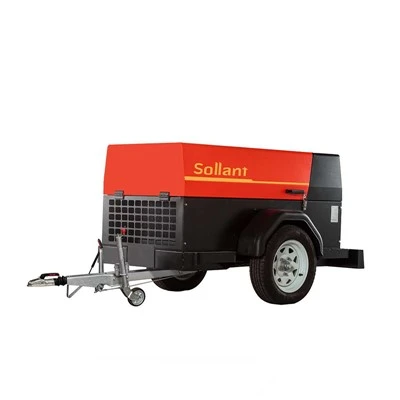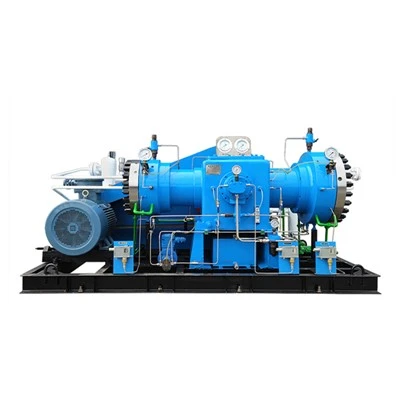
When it comes to gas compressors, one of the most frequent questions I encounter from clients is: "Which is better, a single - stage or a multi - stage gas compressor?" As a seasoned gas compressor supplier, I've witnessed firsthand the diverse needs of different industries and the crucial role that choosing the right compressor plays. In this blog, I'll delve into the characteristics, advantages, and disadvantages of both single - stage and multi - stage gas compressors to help you make an informed decision.
Single - Stage Gas Compressors
A single - stage gas compressor is a relatively straightforward piece of equipment. It operates by drawing gas into a compression chamber and then compressing it in one step to the desired discharge pressure. This simplicity is one of its main selling points.
Advantages
- Cost - Effective: Single - stage compressors are generally more affordable than their multi - stage counterparts. They have fewer parts, which means lower manufacturing costs. For small - scale operations or businesses with budget constraints, a single - stage compressor can be an attractive option. For example, a small workshop that only requires low - pressure compressed air for basic pneumatic tools can save a significant amount of money by choosing a single - stage compressor.
- Simple Design and Maintenance: With a less complex design, single - stage compressors are easier to understand and maintain. There are fewer components that can malfunction, and technicians can quickly diagnose and fix problems. This reduces downtime and maintenance costs. For instance, if a valve in a single - stage compressor fails, it can be replaced relatively easily without having to deal with the intricacies of a multi - stage system.
- Compact Size: Single - stage compressors are often more compact, making them suitable for applications where space is limited. They can be easily installed in small rooms or on mobile platforms. For example, in a small garage where space is at a premium, a single - stage compressor can be placed in a corner without taking up too much room.
Disadvantages
- Limited Pressure Range: The most significant drawback of single - stage compressors is their limited ability to achieve high pressures. As the compression occurs in one step, the temperature of the gas rises rapidly. At high pressures, the excessive heat can cause damage to the compressor components and reduce the efficiency of the compression process. For applications that require high - pressure gas, such as in the LPG Compressor industry, a single - stage compressor may not be sufficient.
- Lower Efficiency at High Pressures: Due to the rapid increase in temperature during compression, single - stage compressors become less efficient as the pressure requirement increases. This means higher energy consumption and operating costs over time. For large - scale industrial applications that demand continuous high - pressure gas supply, the inefficiency of single - stage compressors can be a major concern.
Multi - Stage Gas Compressors
Multi - stage gas compressors, on the other hand, divide the compression process into multiple steps. After each stage of compression, the gas is cooled before entering the next stage.
Advantages
- High - Pressure Capability: Multi - stage compressors are capable of achieving much higher pressures than single - stage compressors. By dividing the compression process into multiple stages and cooling the gas between stages, the temperature rise is controlled, allowing for efficient compression at high pressures. This makes them ideal for industries such as the Oxygen Compressor and Nitrogen Compressor industries, where high - pressure gas is required for various processes.
- Higher Efficiency: The cooling between stages in multi - stage compressors reduces the energy required for compression. This results in lower operating costs and better overall efficiency, especially for high - pressure applications. For large industrial plants that consume a significant amount of compressed gas, the energy savings from using a multi - stage compressor can be substantial over the long term.
- Better Gas Quality: The cooling process in multi - stage compressors helps to remove moisture and contaminants from the gas. This results in higher - quality compressed gas, which is essential for applications where gas purity is critical, such as in the pharmaceutical and food industries.
Disadvantages
- Higher Initial Cost: Multi - stage compressors are more expensive to purchase than single - stage compressors. The additional components, such as intercoolers and multiple compression chambers, increase the manufacturing cost. This can be a deterrent for small businesses or startups with limited capital.
- Complex Design and Maintenance: The complex design of multi - stage compressors means that they are more difficult to maintain. There are more components that can fail, and diagnosing and fixing problems requires more specialized knowledge and skills. This can lead to longer downtime and higher maintenance costs.
Choosing the Right Compressor
The choice between a single - stage and a multi - stage gas compressor depends on several factors:
- Pressure Requirements: If your application requires low to moderate pressures (up to around 100 psi), a single - stage compressor may be sufficient. However, for high - pressure applications (above 100 psi), a multi - stage compressor is usually the better choice.
- Flow Rate: Consider the volume of gas that needs to be compressed. High - flow rate applications may benefit from a multi - stage compressor, as it can handle larger volumes more efficiently at high pressures.
- Budget: If you have a limited budget, a single - stage compressor may be the more practical option. However, it's important to consider the long - term operating costs, as a more efficient multi - stage compressor may save you money in the long run.
- Space Constraints: If space is limited, a single - stage compressor's compact size may be an advantage. But if space is not an issue, a multi - stage compressor can be installed without much concern.
Conclusion
In conclusion, there is no one - size - fits - all answer to the question of whether a single - stage or a multi - stage gas compressor is better. Each type has its own unique advantages and disadvantages, and the choice depends on the specific requirements of your application. As a gas compressor supplier, I'm here to help you evaluate your needs and select the most suitable compressor for your business.
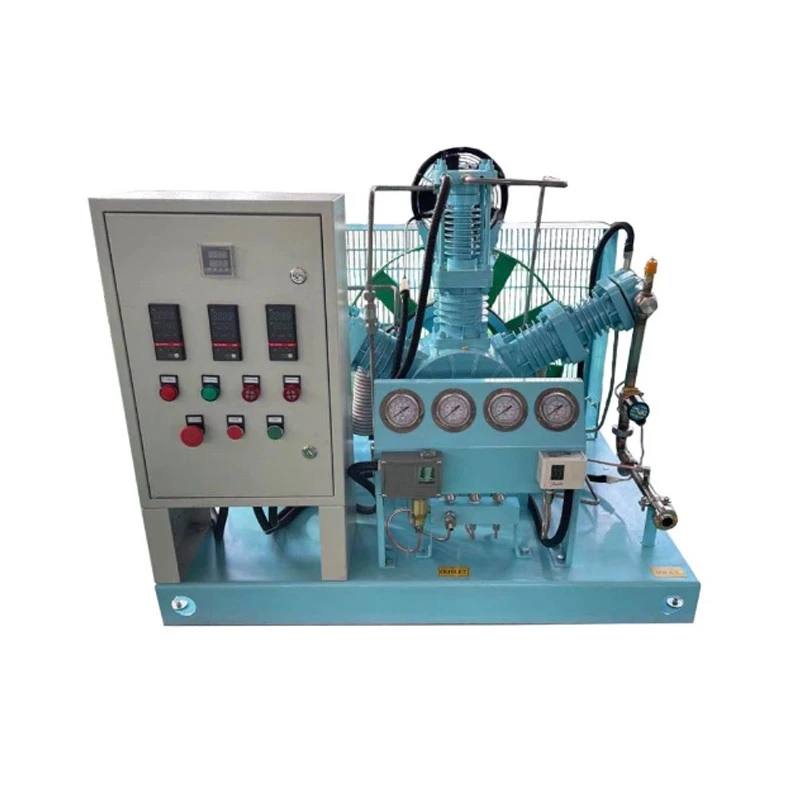

If you're still unsure which type of compressor is right for you, or if you'd like to discuss your specific requirements in more detail, I encourage you to reach out to me. I have the expertise and experience to guide you through the selection process and ensure that you get the best - performing and most cost - effective gas compressor for your needs. Let's start a conversation about your compression requirements today and find the perfect solution for your business.
References
- "Compressor Handbook" by Heinz P. Bloch and Allan R. Budris
- "Industrial Gas Compression" by Peter M. Walker