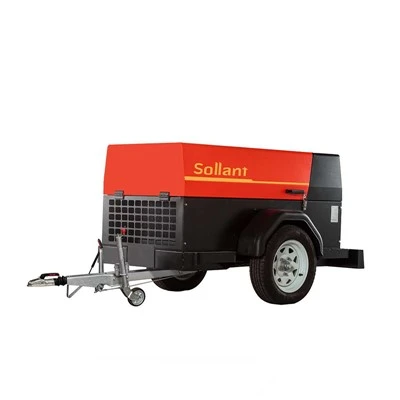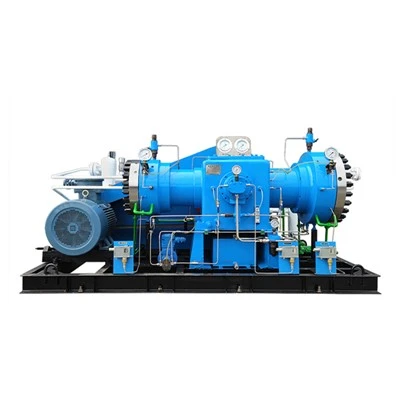
Hey there! As a supplier of Portable Electric Air Compressors, I often get asked about what type of paint can be used with these nifty tools. Well, you're in the right place because I'm gonna break it down for you.
First off, let's talk a bit about Portable Electric Air Compressors. They're super handy, right? You can take them anywhere you need to do some painting jobs, whether it's a small DIY project at home or a professional job on - site. Unlike Stationary Diesel Air Compressor or Stationary Electric Air Compressor, our Portable Electric Air Compressors offer the flexibility of movement. You don't have to be tied down to a single location.
Now, when it comes to the types of paint you can use, there are quite a few options.
Latex Paints
Latex paints are a popular choice for many painters. They're water - based, which means they're easy to clean up. All you need is some soap and water to clean your air compressor and painting equipment after use. They dry relatively quickly, and they have low levels of volatile organic compounds (VOCs). This is great for both your health and the environment.
One of the things to keep in mind when using latex paints with a Portable Electric Air Compressor is the viscosity. You might need to thin the paint a bit to ensure a smooth spray. Most latex paints come with instructions on how to thin them properly. Just follow those guidelines, and you'll be good to go.
Oil - Based Paints
Oil - based paints have been around for a long time, and they still have their place in the painting world. They offer a durable finish that can last for years. They're great for surfaces that need extra protection, like exterior doors or furniture.
However, oil - based paints are a bit more challenging to work with compared to latex paints. They have a strong odor due to the high levels of VOCs. Also, cleaning up after using oil - based paints requires solvents, which can be a bit of a hassle. When using oil - based paints with your Portable Electric Air Compressor, make sure your compressor can handle the thicker consistency. You may need to adjust the pressure settings on your compressor to get a good spray pattern.


Enamel Paints
Enamel paints are known for their hard, glossy finish. They're often used on metal surfaces, like cars or motorcycles, but they can also be used on wood and other materials. Enamel paints dry to a very tough finish that resists scratches and stains.
Similar to oil - based paints, enamel paints can be thick. You'll likely need to thin them before using them with your Portable Electric Air Compressor. Using a paint thinner recommended by the paint manufacturer is crucial. This will ensure that the paint sprays evenly and that you get the best results.
Spray - On Bedliner Paints
If you're into automotive or truck customization, spray - on bedliner paints are a cool option. These paints are designed to provide a tough, protective coating for truck beds. They can also be used on other surfaces that need extra protection from abrasion and impact.
When using spray - on bedliner paints with your Portable Electric Air Compressor, you'll need to pay close attention to the pressure and the nozzle size. These paints are usually thicker than regular paints, so you'll need a compressor that can handle the higher pressure requirements.
Specialty Paints
There are also specialty paints like metallic paints, fluorescent paints, and textured paints. Metallic paints add a shiny, reflective finish, which is great for creating a high - end look. Fluorescent paints are perfect for creating eye - catching designs, especially in low - light environments. Textured paints can add a unique tactile element to your surfaces.
When using specialty paints with your Portable Electric Air Compressor, it's important to read the manufacturer's instructions carefully. These paints may have specific requirements for thinning, pressure settings, and nozzle selection.
Factors to Consider
- Viscosity: As I mentioned earlier, the viscosity of the paint is crucial. Thicker paints require more pressure to spray evenly. You may need to thin the paint or adjust the pressure settings on your Portable Electric Air Compressor.
- Pressure Requirements: Different paints have different pressure requirements. Make sure your compressor can provide the necessary pressure for the type of paint you're using.
- Nozzle Size: The size of the nozzle on your spray gun also matters. A larger nozzle is better for thicker paints, while a smaller nozzle is suitable for thinner paints.
- Cleaning: After each use, it's important to clean your air compressor and painting equipment thoroughly. This will prevent paint buildup and ensure that your equipment lasts longer.
Tips for a Great Painting Job
- Test First: Before you start painting your main surface, do a test spray on a small, inconspicuous area. This will help you adjust the pressure, nozzle size, and paint consistency.
- Maintain a Consistent Distance: Keep a consistent distance between the spray gun and the surface you're painting. This will ensure an even coat of paint.
- Work in Sections: Instead of trying to paint the whole surface at once, work in small sections. This will help you control the paint application and prevent drips.
In conclusion, there are many types of paint that you can use with a Portable Electric Air Compressor. Each type of paint has its own advantages and challenges, but with the right knowledge and equipment, you can achieve great results. Whether you're a DIY enthusiast or a professional painter, our Portable Electric Air Compressors are designed to meet your needs.
If you're interested in purchasing a Portable Electric Air Compressor or have any questions about using different types of paint with it, don't hesitate to reach out. We're here to help you make the right choice for your painting projects.
References
- "Painting Techniques and Best Practices" - A guidebook on painting methods and paint types.
- Manufacturer's manuals for Portable Electric Air Compressors, Latex Paints, Oil - Based Paints, Enamel Paints, etc.