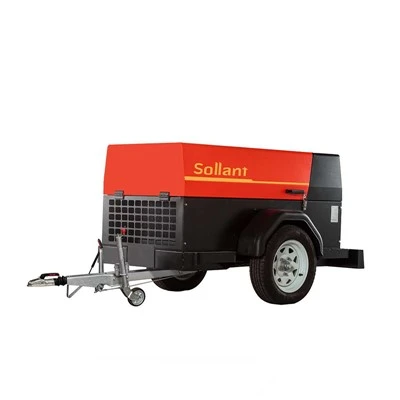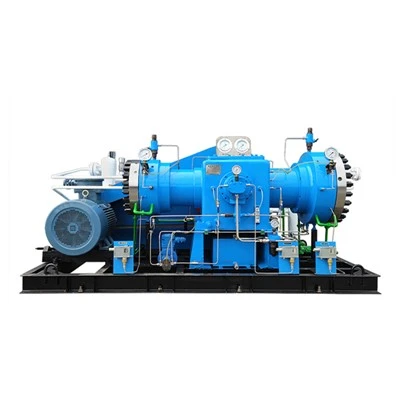
Diesel air compressors are robust and reliable machines commonly used in various industries, from construction sites to manufacturing plants. As a trusted diesel air compressor supplier, I understand the importance of proper maintenance to ensure these machines operate at their best. In this blog, I'll delve into the essential maintenance tasks that every diesel air compressor owner should know.
Regular Inspection
Regular inspections are the cornerstone of diesel air compressor maintenance. By conducting routine checks, you can identify potential issues before they escalate into major problems.
Visual Inspection
A visual inspection should be performed before each use. Check for any signs of damage, such as cracks, leaks, or loose connections. Inspect the hoses, belts, and fittings for wear and tear. Look for oil or coolant leaks around the engine and compressor components. If you notice any issues during the visual inspection, address them immediately to prevent further damage.


Fluid Levels
Checking the fluid levels is crucial for the proper functioning of the diesel air compressor. The main fluids to monitor include engine oil, coolant, and fuel.
- Engine Oil: Check the engine oil level regularly using the dipstick. Ensure that the oil level is within the recommended range. Low oil levels can cause excessive wear and damage to the engine components. If the oil level is low, add the appropriate type of oil as specified in the manufacturer's manual.
- Coolant: The coolant helps regulate the engine temperature. Check the coolant level in the radiator or coolant reservoir. If the coolant level is low, add a mixture of coolant and water as recommended by the manufacturer. Make sure to use the correct coolant type to prevent corrosion and damage to the cooling system.
- Fuel: Diesel air compressors run on diesel fuel. Check the fuel level in the tank before each use. Ensure that the fuel is clean and free from contaminants. If the fuel level is low, refill the tank with high-quality diesel fuel.
Air Filter
The air filter prevents dust, dirt, and other contaminants from entering the engine and compressor. A clogged air filter can restrict airflow, reduce engine performance, and increase fuel consumption. Check the air filter regularly and clean or replace it as needed. Most air filters can be cleaned by tapping them gently or using compressed air. If the air filter is severely clogged or damaged, replace it with a new one.
Lubrication
Proper lubrication is essential for the smooth operation of the diesel air compressor. The moving parts of the engine and compressor need to be lubricated to reduce friction and wear.
Engine Oil
As mentioned earlier, the engine oil lubricates the engine components. Change the engine oil and oil filter at the recommended intervals as specified in the manufacturer's manual. Over time, the oil can become contaminated with dirt, debris, and combustion by-products, which can reduce its lubricating properties. Regular oil changes help maintain the engine's performance and extend its lifespan.
Compressor Lubricant
Some diesel air compressors use a separate lubricant for the compressor. Check the compressor lubricant level regularly and add or change it as needed. The compressor lubricant helps reduce friction between the compressor's pistons or rotors and the cylinder walls, ensuring efficient operation.
Belt and Pulley Maintenance
The belts and pulleys in the diesel air compressor transfer power from the engine to the compressor. Over time, the belts can stretch, wear out, or become loose, which can affect the performance of the compressor.
Belt Tension
Check the belt tension regularly using a belt tension gauge. The belt should be tight enough to prevent slipping but not too tight to cause excessive wear on the belts and pulleys. If the belt is too loose, adjust the tension according to the manufacturer's instructions. If the belt is worn out or damaged, replace it with a new one.
Pulley Alignment
Proper pulley alignment is crucial for the efficient operation of the belts and pulleys. Misaligned pulleys can cause the belts to wear unevenly and reduce their lifespan. Check the pulley alignment regularly and adjust it if necessary. Use a straightedge or alignment tool to ensure that the pulleys are aligned correctly.
Cooling System Maintenance
The cooling system plays a vital role in preventing the engine from overheating. Overheating can cause serious damage to the engine components and reduce the lifespan of the diesel air compressor.
Radiator Cleaning
The radiator is responsible for dissipating heat from the coolant. Over time, the radiator can become clogged with dirt, debris, and insects, which can reduce its cooling efficiency. Clean the radiator regularly using a soft brush or compressed air to remove any dirt or debris. Make sure to clean the fins carefully to avoid damaging them.
Coolant Flush
Periodically flushing the coolant system helps remove any accumulated contaminants and rust. Follow the manufacturer's instructions for flushing the coolant system. Typically, this involves draining the old coolant, flushing the system with water, and refilling it with a fresh mixture of coolant and water.
Compressor Maintenance
The compressor is the heart of the diesel air compressor. Proper maintenance of the compressor is essential for its efficient operation and longevity.
Air End Inspection
The air end is the part of the compressor that compresses the air. Inspect the air end regularly for any signs of wear, damage, or leaks. Check the seals, gaskets, and valves for proper functioning. If you notice any issues with the air end, contact a qualified technician for repair or replacement.
Pressure Relief Valve
The pressure relief valve is a safety device that prevents the compressor from over-pressurizing. Check the pressure relief valve regularly to ensure that it is functioning properly. Test the valve by slowly increasing the pressure in the compressor until the valve opens. If the valve does not open or opens at an incorrect pressure, replace it immediately.
Electrical System Maintenance
If your diesel air compressor has an electrical system, it is important to maintain it properly to ensure safe and reliable operation.
Battery Maintenance
If the compressor has a battery, check the battery terminals regularly for corrosion and clean them if necessary. Ensure that the battery is fully charged and in good condition. If the battery is old or not holding a charge, replace it with a new one.
Electrical Connections
Inspect the electrical connections for loose or damaged wires. Tighten any loose connections and replace any damaged wires. Make sure that the electrical system is properly grounded to prevent electrical shocks and damage to the equipment.
Different Types of Diesel Air Compressors and Their Maintenance Considerations
There are different types of diesel air compressors, such as Portable Diesel Air Compressor, Stationary Diesel Air Compressor, and Portable Electric Air Compressor. Each type has its own unique maintenance requirements.
- Portable Diesel Air Compressors: These compressors are designed for mobility and are often used in construction sites and other outdoor applications. They are exposed to more dust, dirt, and vibrations compared to stationary compressors. Therefore, it is important to pay extra attention to the air filter, belt tension, and overall stability of the compressor.
- Stationary Diesel Air Compressors: Stationary compressors are typically used in industrial settings where a continuous supply of compressed air is required. They are usually larger and more powerful than portable compressors. Maintenance of stationary compressors may involve more complex tasks, such as regular servicing of the engine and compressor components by a professional technician.
- Portable Electric Air Compressors: While these are electric, they still share some similarities with diesel air compressors in terms of compressor maintenance. However, the electrical components need to be inspected more frequently to ensure safe operation. Check the power cord, switch, and motor for any signs of damage or malfunction.
Conclusion
Proper maintenance of a diesel air compressor is essential for its reliable operation, efficiency, and longevity. By following the maintenance tasks outlined in this blog, you can ensure that your diesel air compressor performs at its best and avoids costly breakdowns. As a diesel air compressor supplier, I am committed to providing high-quality products and excellent customer service. If you have any questions about diesel air compressor maintenance or are interested in purchasing a new compressor, please feel free to contact me for a detailed discussion and procurement negotiation.
References
- Manufacturer's manuals for diesel air compressors
- Industry standards and best practices for air compressor maintenance