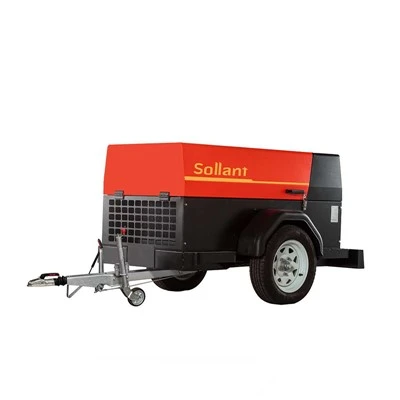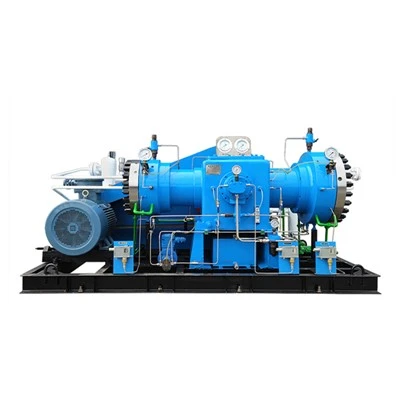
The use of natural gas as a vehicle fuel has been on the rise in recent years, driven by its environmental benefits, cost - effectiveness, and energy security. At the heart of natural gas vehicle (NGV) refueling stations lies the gas compressor, a crucial component that enables the efficient compression of natural gas for storage and dispensing. As a gas compressor supplier, I am well - versed in the significance of these machines in the NGV refueling process.
The Basics of Gas Compression in NGV Refueling
Natural gas, mainly composed of methane, is typically stored and transported at relatively low pressures. However, for use in vehicles, it needs to be compressed to a much higher pressure. Compression is necessary because it allows more gas to be stored in a given volume, increasing the vehicle's range.
The compression process starts with the intake of natural gas from the supply source, which could be a pipeline or a storage tank. The gas compressor then takes in this low - pressure gas and increases its pressure through a series of stages. Each stage of compression raises the pressure incrementally, and intercoolers are often used between stages to cool the gas, as compression generates heat.
Types of Gas Compressors Used in NGV Refueling
There are several types of gas compressors commonly used in NGV refueling stations. Reciprocating compressors are one of the most popular choices. They work by using pistons to compress the gas within cylinders. Reciprocating compressors are known for their high - pressure capabilities and are suitable for applications where large amounts of gas need to be compressed to high pressures.
Rotary screw compressors are another option. These compressors use two intermeshing screws to compress the gas. They are often favored for their smooth operation, relatively low maintenance requirements, and high efficiency.
Centrifugal compressors are used in larger NGV refueling stations. They rely on the centrifugal force generated by a rotating impeller to compress the gas. Centrifugal compressors are capable of handling large volumes of gas at high flow rates.
The Role of Gas Compressors in Different Stages of NGV Refueling
Storage Compression
One of the primary roles of gas compressors in NGV refueling is to compress natural gas for storage. The compressed gas is stored in high - pressure storage vessels at the refueling station. This stored gas can then be used to refuel vehicles quickly. The compressor ensures that the storage vessels are filled to the required pressure, which is typically around 20 - 25 MPa (200 - 250 bar) for compressed natural gas (CNG) vehicles.
Vehicle Refueling
When a vehicle arrives at the refueling station, the gas compressor plays a key role in transferring the compressed gas from the storage vessels to the vehicle's fuel tank. The compressor maintains the pressure differential between the storage vessel and the vehicle tank, allowing the gas to flow smoothly. It also ensures that the refueling process is fast and efficient, minimizing the time the vehicle spends at the station.
Efficiency and Performance of Gas Compressors
Efficiency is a critical factor in the operation of gas compressors for NGV refueling. An efficient compressor consumes less energy, which not only reduces operating costs but also has a positive impact on the environment. Modern gas compressors are designed with advanced technologies to improve their efficiency. For example, variable - speed drives can be used to adjust the compressor's speed according to the demand, reducing energy consumption during periods of low usage.

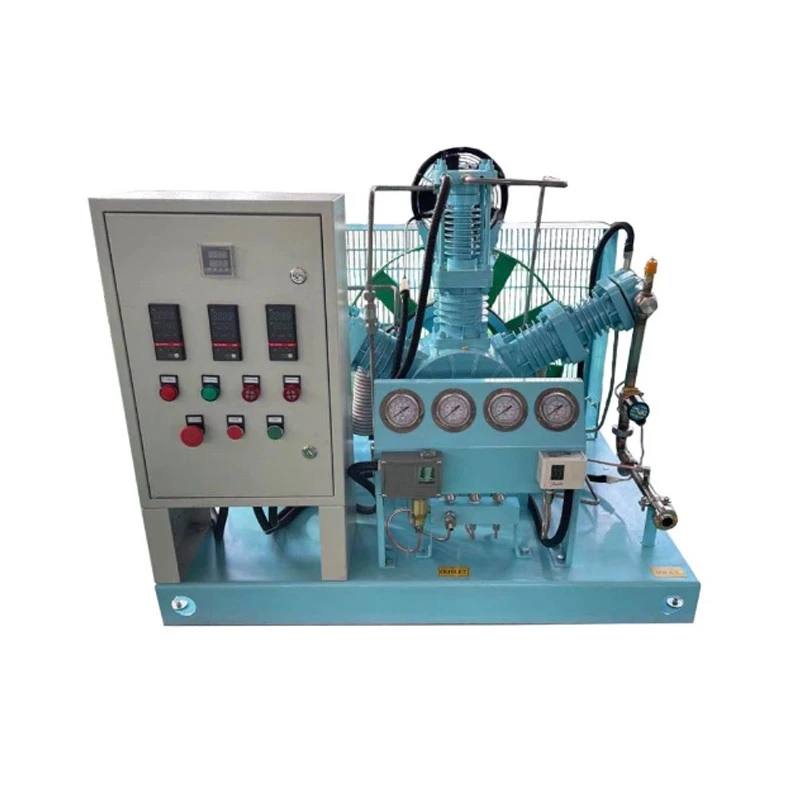
Performance is also important. The compressor must be able to handle the varying demand for gas at the refueling station. It should be able to start up quickly, reach the required pressure, and maintain a stable flow of gas during the refueling process.
Safety Considerations
Safety is of utmost importance in NGV refueling stations. Gas compressors are designed with multiple safety features to prevent accidents. For example, pressure relief valves are installed to release excess pressure in case of a malfunction. Additionally, the compressors are built with leak - detection systems to detect any gas leaks and shut down the system if necessary.
Our Gas Compressor Offerings
As a gas compressor supplier, we offer a wide range of compressors suitable for NGV refueling. Our Oxygen Compressor is designed with high - quality materials and advanced technology to ensure reliable performance. It is suitable for applications where oxygen needs to be compressed, which can be useful in some specialized NGV refueling scenarios.
Our Nitrogen Compressor is another product in our portfolio. Nitrogen is often used in the maintenance and testing of NGV refueling systems, and our nitrogen compressor can provide the necessary high - pressure nitrogen.
We also offer Biogas Compressor. Biogas is an increasingly popular alternative fuel for NGVs, and our biogas compressor is specifically designed to handle the unique characteristics of biogas, such as its high moisture content and the presence of impurities.
Conclusion
Gas compressors play a vital role in the gas compression process for natural gas vehicle refueling. They are responsible for compressing the gas to the required pressure for storage and dispensing, ensuring the efficient and safe operation of NGV refueling stations. As a gas compressor supplier, we are committed to providing high - quality compressors that meet the needs of our customers.
If you are in the market for a gas compressor for your NGV refueling station, we invite you to contact us for a detailed discussion. Our team of experts can help you select the right compressor for your specific requirements and provide you with the best solutions.
References
- "Natural Gas Vehicle Technology Handbook", edited by John Doe, published by ABC Publishing.
- "Compressor Technology for Gas Applications", written by Jane Smith, published by XYZ Press.