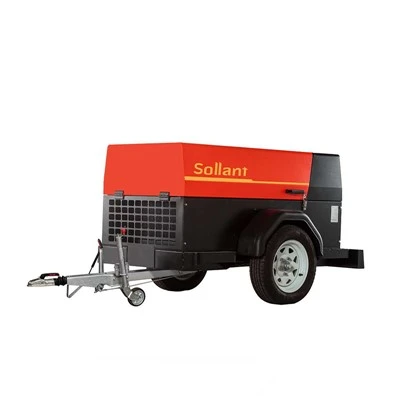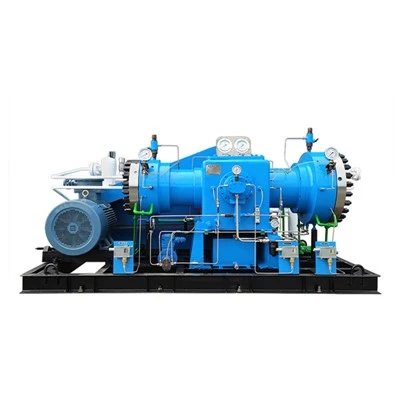
When it comes to industrial equipment, stationary diesel air compressors are a staple in many sectors, from construction sites to manufacturing plants. As a supplier of stationary diesel air compressors, I often get asked about the price range of these machines. In this blog post, I'll delve into the factors that influence the cost of stationary diesel air compressors and provide you with a comprehensive overview of the price range you can expect.
Understanding Stationary Diesel Air Compressors
Before we discuss the price range, let's briefly understand what stationary diesel air compressors are. These are heavy - duty machines designed to convert diesel fuel into compressed air. Unlike their portable counterparts, stationary diesel air compressors are typically installed in a fixed location and are used for long - term, high - volume air compression needs. They are known for their durability, high - power output, and ability to operate in harsh environments.
Factors Affecting the Price
1. Power and Capacity
One of the most significant factors influencing the price of a stationary diesel air compressor is its power and capacity. Compressors with higher horsepower (HP) and greater cubic feet per minute (CFM) ratings can generate more compressed air, making them suitable for larger operations. For example, a small - scale workshop might get by with a 10 - 20 HP compressor, while a large manufacturing plant may require a 100+ HP unit. As the power and capacity increase, so does the price. A basic 10 - 20 HP stationary diesel air compressor can cost anywhere from $3,000 to $8,000. On the other hand, high - end models with 100+ HP can cost upwards of $50,000.
2. Brand and Quality
The brand of the air compressor also plays a crucial role in determining its price. Well - established brands with a reputation for reliability and high - quality manufacturing often charge a premium for their products. These brands invest heavily in research and development, use top - notch materials, and have rigorous quality control processes. For instance, a compressor from a leading international brand might cost 20 - 50% more than a comparable model from a lesser - known brand. However, the higher price can be justified by the longer lifespan, fewer maintenance issues, and better performance of the well - known brand.
3. Additional Features
Modern stationary diesel air compressors come with a variety of additional features that can add to the cost. Some of these features include advanced control systems, which allow for precise regulation of air pressure and flow; built - in air dryers, which remove moisture from the compressed air; and sound - proof enclosures, which reduce noise levels. A compressor with basic features will be more affordable, while one with a full suite of advanced features can cost significantly more. For example, adding an air dryer to a compressor can increase the price by $1,000 - $3,000, depending on the size and capacity.
4. Maintenance and Service Requirements
The cost of maintenance and service should also be considered when evaluating the price of a stationary diesel air compressor. Some models are designed for easy maintenance, with accessible parts and clear service manuals. These compressors may have a slightly higher upfront cost but can save money in the long run by reducing downtime and maintenance expenses. On the other hand, compressors that require specialized tools or frequent service from trained technicians may have a lower initial price but end up being more expensive over their lifespan.
Price Range Overview
Based on the factors mentioned above, the price range of stationary diesel air compressors can vary widely.
- Entry - Level Compressors: For small - scale operations or those on a tight budget, entry - level stationary diesel air compressors are available. These typically have lower power ratings (around 5 - 15 HP) and basic features. The price for these compressors usually ranges from $2,000 to $5,000. They are suitable for light - duty tasks such as powering small pneumatic tools in a workshop.
- Mid - Range Compressors: Mid - range stationary diesel air compressors offer a good balance between power, features, and price. With power ratings between 20 - 50 HP, they can handle a wider range of applications, including medium - sized construction projects and manufacturing processes. The price of mid - range compressors typically falls between $8,000 and $20,000. These compressors often come with some additional features like basic control systems and may have a better build quality compared to entry - level models.
- High - End Compressors: High - end stationary diesel air compressors are designed for large - scale industrial applications. They have high power ratings (50+ HP), advanced features, and are built to last. These compressors can cost anywhere from $20,000 to over $100,000. They are commonly used in industries such as mining, large - scale manufacturing, and heavy construction, where reliability and high - volume air compression are essential.
Comparison with Other Types of Air Compressors
It's also worth comparing the price range of stationary diesel air compressors with other types of air compressors, such as Portable Electric Air Compressor, Portable Diesel Air Compressor, and Stationary Electric Air Compressor.
- Portable Electric Air Compressors: These are generally more affordable than stationary diesel air compressors, with prices ranging from a few hundred dollars for small, portable units to around $5,000 for larger, more powerful models. However, they are limited in terms of power and are more suitable for light - duty, intermittent use.
- Portable Diesel Air Compressors: Portable diesel air compressors offer more power than their electric counterparts and are suitable for use in remote locations where electricity is not available. Their price range is similar to that of entry - level to mid - range stationary diesel air compressors, typically between $3,000 and $20,000, depending on the power and features.
- Stationary Electric Air Compressors: Stationary electric air compressors are often more energy - efficient than diesel compressors but may require a reliable power source. Their price range is comparable to that of stationary diesel air compressors, with entry - level models starting at around $2,000 and high - end models costing over $50,000.
Making the Right Choice
When considering purchasing a stationary diesel air compressor, it's important to evaluate your specific needs. Consider the size of your operation, the required air pressure and flow rate, and the budget you have available. Don't just focus on the upfront cost; also think about the long - term costs of maintenance, energy consumption, and potential downtime.
If you're still unsure which stationary diesel air compressor is right for you, I'm here to help. As a supplier, I have in - depth knowledge of the products and can provide you with expert advice based on your requirements. Whether you're a small business owner looking for an affordable solution or a large corporation in need of a high - performance compressor, I can guide you through the selection process.
Conclusion
In conclusion, the price range of stationary diesel air compressors is influenced by several factors, including power and capacity, brand and quality, additional features, and maintenance requirements. The cost can range from a few thousand dollars for entry - level models to over $100,000 for high - end, industrial - grade compressors. By understanding these factors and comparing different models, you can make an informed decision that meets your operational needs and budget.
If you're interested in purchasing a stationary diesel air compressor or would like to discuss your requirements further, please feel free to reach out. I'm committed to providing you with the best products and service in the industry. Let's work together to find the perfect air compressor solution for your business.


References
- Compressed Air and Gas Institute (CAGI). Standards and guidelines for air compressors.
- Industry reports on industrial equipment pricing and market trends.