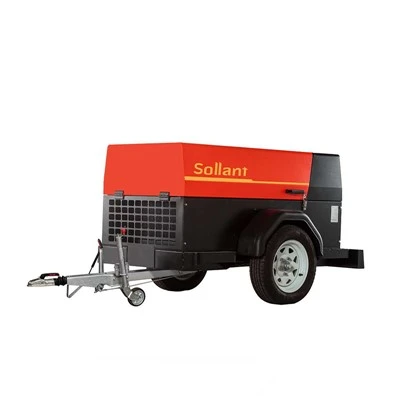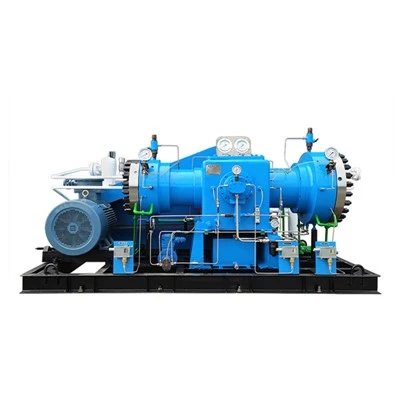
In the industrial and commercial sectors, stationary diesel air compressors are crucial equipment, providing reliable compressed air for various applications. As a supplier of Stationary Diesel Air Compressor, I've witnessed firsthand the impact of multiple factors on the performance of these machines. Understanding these factors is essential for users to ensure optimal operation and for us as suppliers to offer better products and services.
1. Diesel Engine Performance
The diesel engine is the heart of a stationary diesel air compressor. Its performance directly affects the overall performance of the compressor.
Fuel Quality
The quality of diesel fuel plays a vital role. High - quality diesel with the appropriate cetane number ensures efficient combustion in the engine. If the fuel has a low cetane number, it may lead to poor ignition, rough running, and reduced power output. Impurities in the fuel, such as water, dirt, or sulfur, can also cause problems. Water can damage the fuel injection system, while dirt can clog filters and injectors. Sulfur in the fuel can lead to increased wear and corrosion in the engine components, reducing its lifespan and performance.
Engine Maintenance
Regular maintenance of the diesel engine is crucial. This includes oil changes, filter replacements (air, fuel, and oil filters), and inspection of the cooling system. Over time, engine oil breaks down and loses its lubricating properties. If not changed regularly, it can cause increased friction between moving parts, leading to wear and reduced efficiency. Clogged air filters restrict the airflow into the engine, resulting in incomplete combustion and decreased power. A malfunctioning cooling system can cause the engine to overheat, which can lead to serious damage to the engine components and a significant drop in performance.
Engine Load
The load on the diesel engine affects its performance. If the compressor is operating at a load that is too high for the engine's capacity, the engine may struggle to maintain the required speed and power. This can lead to overloading, increased fuel consumption, and premature wear of the engine components. On the other hand, if the load is too low, the engine may not operate at its optimal efficiency, resulting in wasted fuel and reduced performance.
2. Compressor Design and Components
The design and quality of the compressor components also have a significant impact on its performance.
Compression Ratio
The compression ratio is the ratio of the volume of air at the beginning of the compression stroke to the volume at the end of the stroke. A higher compression ratio generally means more efficient compression, resulting in higher air pressure output. However, a very high compression ratio can also lead to increased heat generation, which may require more advanced cooling systems. If the compression ratio is not properly designed for the application, it can lead to inefficient operation, increased power consumption, and reduced air output.
Piston and Cylinder Design
The design of the pistons and cylinders affects the compressor's efficiency and durability. Well - designed pistons with proper rings ensure a good seal, preventing air leakage during the compression process. The material of the pistons and cylinders also matters. High - quality materials can withstand high pressures and temperatures, reducing wear and tear. If the pistons and cylinders are not designed or manufactured to a high standard, air leakage can occur, reducing the compressor's performance and efficiency.
Valve Design
The intake and exhaust valves in the compressor play a crucial role in the compression process. The valves need to open and close at the right time to ensure efficient intake and discharge of air. A faulty valve design or malfunctioning valves can lead to reduced air flow, increased pressure drop, and decreased compressor performance. For example, if the valves do not close properly, air can leak back into the intake side, reducing the overall compression efficiency.
3. Environmental Conditions
The environment in which the stationary diesel air compressor operates can have a significant impact on its performance.
Temperature
High ambient temperatures can cause problems for the compressor. The diesel engine generates a lot of heat during operation, and in hot environments, it may be more difficult for the cooling system to dissipate this heat. This can lead to overheating of the engine, which can reduce its power output and efficiency. Additionally, high temperatures can also affect the air density. As the temperature increases, the air density decreases, which means that the compressor has to work harder to compress the same volume of air, resulting in increased power consumption.
On the other hand, low temperatures can also be a challenge. Cold temperatures can make it difficult for the diesel engine to start, and the oil in the engine may become thicker, reducing its lubricating properties. This can cause increased wear on the engine components during startup and operation.
Humidity
High humidity can introduce moisture into the compressed air system. Moisture in the compressed air can cause corrosion in the pipes, valves, and other components of the system. It can also affect the performance of pneumatic tools and equipment that rely on the compressed air. For example, moisture can cause the moving parts of pneumatic tools to rust, reducing their efficiency and lifespan.
Altitude
Altitude affects the air density. At higher altitudes, the air density is lower, which means that there is less oxygen available for combustion in the diesel engine. This can lead to reduced power output of the engine and the compressor. The compressor may also need to work harder to compress the thinner air, resulting in increased power consumption and reduced efficiency.
4. Air Intake and Filtration
The quality of the air intake and the effectiveness of the air filtration system are important for the compressor's performance.
Air Intake Location
The location of the air intake affects the quality of the air entering the compressor. If the air intake is located near sources of dust, dirt, or fumes, the compressor will draw in contaminated air. This can cause damage to the compressor components, such as clogging the air filters and wearing out the pistons and cylinders. The air intake should be located in a clean, well - ventilated area to ensure that the compressor receives clean air.
Air Filtration System
A good air filtration system is essential for protecting the compressor from dust, dirt, and other contaminants. The air filter needs to be replaced regularly to ensure its effectiveness. A clogged air filter restricts the airflow into the compressor, reducing its performance and efficiency. If the air filtration system is not adequate, contaminants can enter the compressor, causing damage to the internal components and reducing the lifespan of the compressor.
5. System Configuration and Piping
The overall system configuration and the design of the piping can also impact the compressor's performance.
Piping Size and Layout
The size and layout of the piping in the compressed air system are important. If the piping is too small, it can cause a significant pressure drop, reducing the efficiency of the system. The layout of the piping should also be designed to minimize bends and restrictions, as these can also cause pressure losses. A well - designed piping system ensures that the compressed air can flow smoothly from the compressor to the point of use, maximizing the system's performance.


Storage Tank
A storage tank in the compressed air system can help to stabilize the air pressure and provide a buffer for sudden changes in demand. The size of the storage tank should be appropriate for the application. If the storage tank is too small, it may not be able to provide enough air during peak demand periods, leading to a drop in pressure. On the other hand, an oversized storage tank can be costly and may not be necessary for the application.
In conclusion, the performance of a stationary diesel air compressor is affected by multiple factors, including the diesel engine performance, compressor design and components, environmental conditions, air intake and filtration, and system configuration and piping. As a supplier of Stationary Diesel Air Compressor, we understand the importance of these factors and strive to provide high - quality products that are designed to perform well under various conditions. We also offer a range of related products such as Portable Electric Air Compressor and Stationary Electric Air Compressor to meet different customer needs.
If you are interested in our products or have any questions about the performance of stationary diesel air compressors, please feel free to contact us for procurement discussions. We are committed to providing you with the best solutions and services.
References
- Compressed Air and Gas Handbook, 4th Edition
- Diesel Engine Technology and Maintenance Manual
- Industrial Air Compressor Design and Application Guide