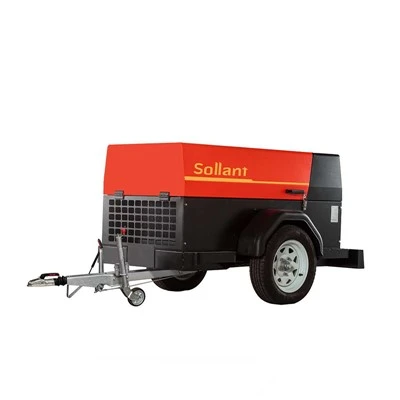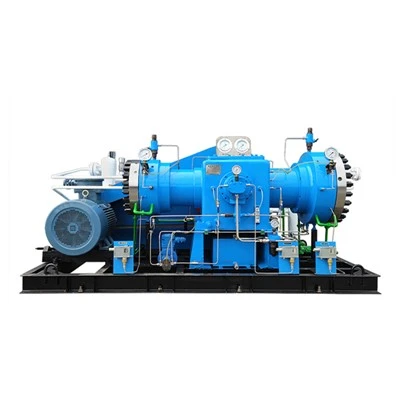
Humidity is a critical environmental factor that can significantly influence the performance, efficiency, and longevity of high-pressure breathing air compressors. As a supplier of high-quality high-pressure breathing air compressors, including the SLT-265 Respirator Air Pump High Pressure Compressor, SLT-200 Respirator Air Pump High Pressure Air Compressor, and SLT-680 Respirator Air Pump High Pressure Air Compressor, I have witnessed firsthand the various impacts humidity can have on these essential machines.
Understanding Humidity and Compressor Basics
Before delving into the impacts, it's important to understand what humidity is and how high-pressure breathing air compressors work. Humidity refers to the amount of water vapor present in the air. It can be expressed in different ways, such as absolute humidity (the mass of water vapor per unit volume of air) or relative humidity (the ratio of the current amount of water vapor in the air to the maximum amount the air could hold at that temperature).
High-pressure breathing air compressors are designed to take in ambient air, compress it to high pressures, and deliver clean, breathable air for various applications, including scuba diving, firefighting, and industrial safety. The compression process involves reducing the volume of air, which increases its pressure.
Impact on Compressor Performance
One of the most immediate impacts of humidity on a high-pressure breathing air compressor is on its performance. When the air entering the compressor contains a significant amount of water vapor, the compressor has to work harder to compress the air. This is because water vapor is a gas, and during compression, it also gets compressed. The presence of water vapor increases the total volume of the gas mixture that needs to be compressed, requiring more energy input to achieve the desired pressure.
As a result, the compressor may experience a decrease in its volumetric efficiency. Volumetric efficiency is a measure of how well a compressor can draw in and compress air. Higher humidity levels can lead to a lower volumetric efficiency, meaning that the compressor delivers less compressed air per unit of time than it would under dry conditions. This can be a significant issue in applications where a continuous supply of high-pressure air is required, such as in long-duration scuba dives or large-scale industrial operations.
Effects on Air Quality
Humidity can also have a profound effect on the quality of the compressed air produced by the high-pressure breathing air compressor. When the compressed air cools down after compression, the water vapor in it can condense into liquid water. This liquid water can carry contaminants such as dust, dirt, and microorganisms from the ambient air into the compressed air system.
In applications where clean, breathable air is essential, such as in respiratory protection for firefighters or in medical settings, the presence of water and contaminants in the compressed air can pose serious health risks. For example, in scuba diving, breathing air contaminated with water and microorganisms can cause lung infections and other health problems. In industrial settings, contaminated compressed air can damage pneumatic tools and equipment, leading to increased maintenance costs and downtime.
To ensure the quality of the compressed air, high-pressure breathing air compressors are typically equipped with air dryers and filters. However, high humidity levels can overwhelm these components, reducing their effectiveness. The air dryer may not be able to remove all the water vapor, and the filters may become clogged more quickly with the increased amount of contaminants carried by the water.
Corrosion and Wear
Another significant impact of humidity on high-pressure breathing air compressors is the increased risk of corrosion and wear. The presence of water in the compressed air system can cause corrosion of the compressor's internal components, such as the cylinders, pistons, and valves. Corrosion can weaken these components, leading to leaks, reduced performance, and ultimately, premature failure of the compressor.

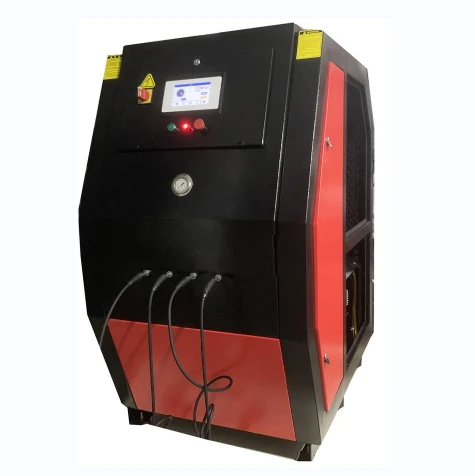
In addition to corrosion, the water droplets in the compressed air can also cause wear on the moving parts of the compressor. As the water droplets are carried through the system, they can act as abrasives, wearing down the surfaces of the components. This can increase the friction between the moving parts, further reducing the efficiency of the compressor and increasing the energy consumption.
The frequency of maintenance and replacement of parts may also increase due to the effects of humidity. Components that would normally last for a long time under dry conditions may need to be replaced more frequently in high-humidity environments. This can add to the overall operating costs of the compressor.
Strategies to Mitigate the Impact of Humidity
As a supplier of high-pressure breathing air compressors, I recommend several strategies to mitigate the impact of humidity on these machines. Firstly, proper installation and placement of the compressor are crucial. The compressor should be installed in a dry, well-ventilated area away from sources of moisture, such as open water bodies or areas with high humidity levels.
Secondly, the use of high-quality air dryers and filters is essential. These components should be selected based on the expected humidity levels in the operating environment. For example, in areas with very high humidity, a more powerful air dryer may be required to effectively remove the water vapor from the compressed air.
Regular maintenance of the compressor is also vital. This includes checking and replacing the air dryer and filter elements at the recommended intervals, as well as inspecting the compressor for signs of corrosion and wear. By keeping the compressor in good condition, its performance and longevity can be significantly improved.
Conclusion
In conclusion, humidity can have a wide range of impacts on high-pressure breathing air compressors, affecting their performance, air quality, and durability. As a supplier, I understand the importance of providing high-quality compressors and offering solutions to address the challenges posed by humidity. Our SLT-265 Respirator Air Pump High Pressure Compressor, SLT-200 Respirator Air Pump High Pressure Air Compressor, and SLT-680 Respirator Air Pump High Pressure Air Compressor are designed to perform well in a variety of environmental conditions, but proper consideration of humidity is still necessary.
If you are in the market for a high-pressure breathing air compressor or need advice on how to mitigate the impact of humidity on your existing compressor, I encourage you to contact us. Our team of experts is ready to assist you in selecting the right compressor for your needs and providing you with the support and guidance you need to ensure its optimal performance.
References
- ASHRAE Handbook - Fundamentals. American Society of Heating, Refrigerating and Air-Conditioning Engineers.
- Compressed Air and Gas Handbook. Ingersoll Rand.
- Standards for Breathing Air Quality. National Fire Protection Association (NFPA).