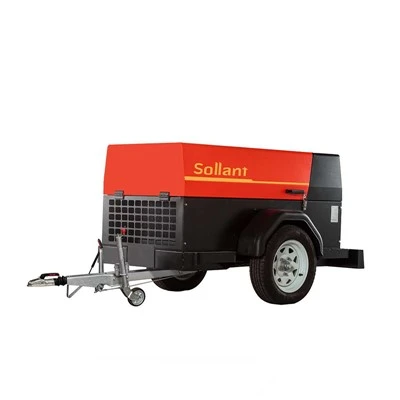
As a supplier of diesel air compressors, I often encounter customers who face the issue of their diesel air compressors overheating. Overheating is a common yet serious problem that can not only affect the performance of the compressor but also lead to significant damage if not addressed promptly. In this blog, I'll share some insights on what to do if your diesel air compressor overheats.
Understanding the Causes of Overheating
Before we delve into the solutions, it's crucial to understand the potential causes of overheating in a diesel air compressor. There are several factors that can contribute to this problem:
1. Inadequate Cooling System
The cooling system of a diesel air compressor plays a vital role in maintaining its temperature. If the radiator is clogged with dirt, debris, or dust, it can impede the flow of air and reduce the cooling efficiency. Similarly, a malfunctioning fan or a coolant leak can also lead to overheating.
2. High Ambient Temperature
Operating the diesel air compressor in a hot environment can put additional stress on the cooling system. When the ambient temperature is too high, the compressor has to work harder to dissipate heat, which can cause it to overheat.
3. Overloading
Running the compressor beyond its rated capacity can generate excessive heat. This can happen if you are using tools or equipment that require more air pressure or volume than the compressor can provide. Overloading can also occur if the compressor is used continuously for an extended period without proper rest.
4. Low Oil Level
Oil lubricates the moving parts of the compressor and helps to dissipate heat. If the oil level is low, the friction between the parts increases, which can generate more heat. Additionally, low oil can also cause the compressor to seize up, leading to serious damage.
5. Faulty Components
Worn-out or damaged components such as the piston rings, valves, or bearings can cause the compressor to work inefficiently and generate more heat. These components may need to be replaced to restore the compressor's performance.
What to Do When Your Diesel Air Compressor Overheats
If you notice that your diesel air compressor is overheating, here are the steps you should take:
1. Stop the Compressor Immediately
The first thing you should do is to turn off the compressor to prevent further damage. Continuing to run an overheated compressor can cause serious problems, such as engine failure or damage to the air end.
2. Check the Cooling System
Inspect the radiator and cooling fins for any signs of blockage. Use a soft brush or compressed air to remove any dirt, debris, or dust that may be clogging the radiator. Check the coolant level and make sure it is within the recommended range. If the coolant is low, add the appropriate coolant mixture as specified in the compressor's manual.
3. Check the Oil Level
Check the oil level in the compressor using the dipstick. If the oil level is low, add the recommended type of oil to bring it up to the proper level. Make sure to use the correct oil viscosity as specified in the compressor's manual.
4. Allow the Compressor to Cool Down
Give the compressor enough time to cool down before attempting to restart it. This can take anywhere from 30 minutes to a few hours, depending on the severity of the overheating. Avoid using any external cooling methods, such as spraying water on the compressor, as this can cause damage to the electrical components.
5. Check for Other Issues
Once the compressor has cooled down, inspect it for any other signs of damage or malfunction. Check the belts, hoses, and connections for any signs of wear or leaks. Look for any loose or damaged parts that may need to be tightened or replaced.
6. Restart the Compressor
After you have checked and addressed all the potential issues, you can try restarting the compressor. Monitor the temperature gauge closely to make sure the compressor is not overheating again. If the problem persists, it may be necessary to contact a professional technician for further diagnosis and repair.

Preventive Measures to Avoid Overheating
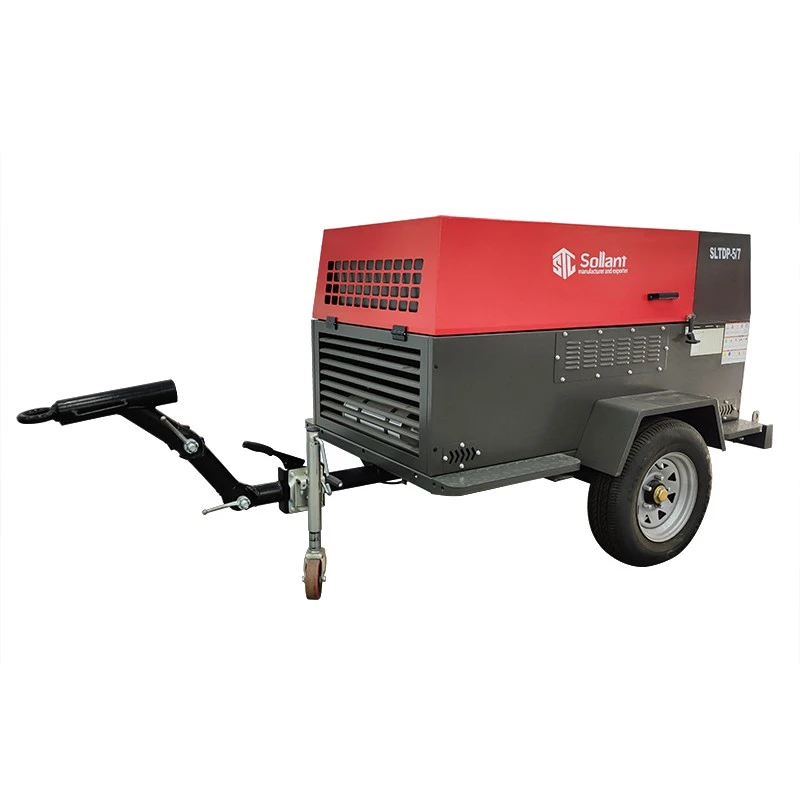
To prevent your diesel air compressor from overheating in the future, here are some preventive measures you can take:
1. Regular Maintenance
Perform regular maintenance on your compressor, including oil changes, filter replacements, and coolant flushes. Follow the manufacturer's recommended maintenance schedule to ensure the compressor is operating at its best.
2. Proper Installation
Install the compressor in a well-ventilated area with plenty of space around it. Make sure the compressor is level and stable to prevent vibration, which can cause damage to the components.
3. Avoid Overloading
Do not run the compressor beyond its rated capacity. Make sure you are using tools and equipment that are compatible with the compressor's air pressure and volume requirements. If you need more air, consider using a larger compressor or multiple compressors.
4. Monitor the Temperature
Keep an eye on the temperature gauge of the compressor during operation. If you notice the temperature rising above the normal range, stop the compressor immediately and take the necessary steps to address the issue.
5. Use High-Quality Parts
When replacing parts on your compressor, make sure to use high-quality parts that are compatible with the compressor's make and model. Using inferior parts can cause the compressor to work inefficiently and increase the risk of overheating.
Conclusion
Overheating is a common problem that can affect the performance and lifespan of your diesel air compressor. By understanding the causes of overheating and taking the appropriate steps to address the issue, you can prevent serious damage to your compressor and ensure its reliable operation. If you have any questions or need further assistance with your diesel air compressor, please feel free to [contact us for procurement and negotiation]. We are a leading supplier of Diesel Air Compressor, Portable Electric Air Compressor, and Portable Diesel Air Compressor, and we are committed to providing our customers with high-quality products and excellent service.
References
- Compressor Manufacturer's Manuals
- Industry Standards and Guidelines for Compressor Operation and Maintenance