Hey there! As a supplier of high pressure breathing air compressors, I've gotten a ton of questions about the different parts of these machines. One component that often comes up in conversations is the unloading valve. So, I thought I'd take a few minutes to break down what the unloading valve does in a high pressure breathing air compressor.
First off, let's talk about what a high pressure breathing air compressor is for. These compressors are used to fill up air tanks with clean, high - pressure air that can be used for things like scuba diving, firefighting, and industrial applications where workers need to breathe in a safe environment. They work by taking in ambient air, filtering it, and then compressing it to a much higher pressure.
Now, onto the unloading valve. The main function of the unloading valve in a high pressure breathing air compressor is to control the pressure and protect the compressor from over - pressurization. When the compressor is running, it continuously takes in and compresses air. As the pressure in the system builds up, there comes a point where you don't want the pressure to keep rising. That's where the unloading valve steps in.
When the pressure inside the compressor reaches a pre - set limit, the unloading valve opens up. This allows the compressed air to be redirected or released in a controlled manner. For example, in some compressors, the unloading valve might divert the compressed air back to the intake side of the compressor. This way, the compressor is still running, but it's not adding more pressure to the system. It's kind of like taking your foot off the gas pedal in a car when you reach the speed limit.
Another important aspect is the protection it provides to the compressor's components. High pressure can put a lot of stress on the compressor's pistons, cylinders, and other moving parts. If the pressure gets too high, it can cause these parts to wear out faster or even break down completely. The unloading valve helps prevent this by keeping the pressure within a safe operating range.
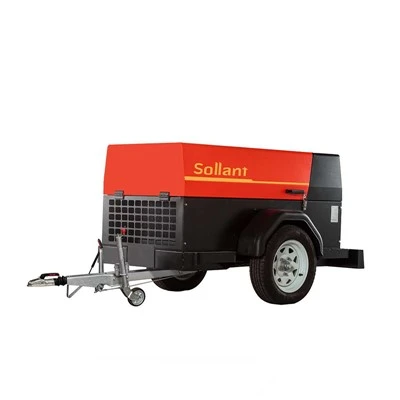
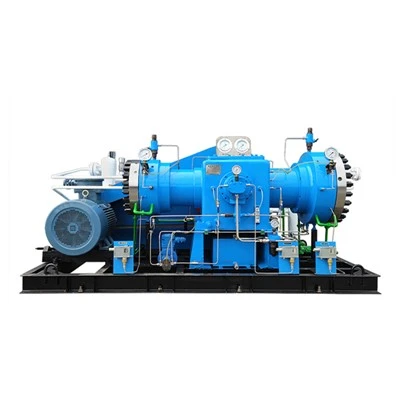
Let's say you're using one of our SLT - 400 Respirator Air Pump High Pressure Compressor. This compressor is designed to handle high - pressure tasks, but even it has its limits. The unloading valve in the SLT - 400 ensures that the pressure doesn't go beyond what the compressor can handle, so you can use it for a long time without having to worry about major breakdowns.
Similarly, our SLT - 265 Respirator Air Pump High Pressure Compressor and SLT - 680 Respirator Air Pump High Pressure Air Compressor also rely on the unloading valve to maintain safe pressure levels. These compressors are used in various industries, and the reliability of the unloading valve is crucial for their proper functioning.
The unloading valve also plays a role in the start - up and shut - down process of the compressor. When you start the compressor, the unloading valve is usually open. This allows the compressor to start up without having to overcome a high initial pressure. It's easier on the motor and other components. Once the compressor has reached a certain operating speed, the unloading valve closes, and the compression process begins in earnest.
When it's time to shut down the compressor, the unloading valve opens again. This releases the pressure in the system, making it safer to turn off the compressor. It also helps prevent any sudden pressure changes that could damage the compressor or cause other issues.


In addition to pressure control and protection, the unloading valve can also improve the energy efficiency of the compressor. By redirecting the compressed air instead of just letting it build up and waste energy, the compressor can operate more efficiently. This means you'll save on energy costs in the long run.
Now, you might be wondering how the unloading valve knows when to open and close. Well, most unloading valves are controlled by a pressure switch. The pressure switch monitors the pressure inside the compressor. When the pressure reaches the pre - set limit, it sends a signal to the unloading valve to open. Once the pressure drops back down to an acceptable level, the switch signals the valve to close.
It's important to note that the unloading valve needs to be properly maintained. Over time, dirt, debris, and moisture can build up inside the valve, causing it to malfunction. Regular inspections and cleaning can help ensure that the unloading valve works as it should. If you notice any issues with the pressure control in your compressor, it could be a sign that the unloading valve needs attention.
So, there you have it! The unloading valve in a high pressure breathing air compressor is a crucial component that helps control pressure, protect the compressor, and improve energy efficiency. Whether you're in the scuba diving industry, firefighting, or any other field that requires high - pressure breathing air, understanding the role of the unloading valve can help you get the most out of your compressor.
If you're in the market for a high pressure breathing air compressor or have any questions about the unloading valve or other components, don't hesitate to reach out. We're here to help you find the right compressor for your needs and ensure that it operates smoothly. Let's have a chat about your requirements and see how we can assist you with your procurement.
References
- Compressor Handbook: A Guide to Compressor Technology and Applications
- High - Pressure Air Compression Systems: Principles and Practices