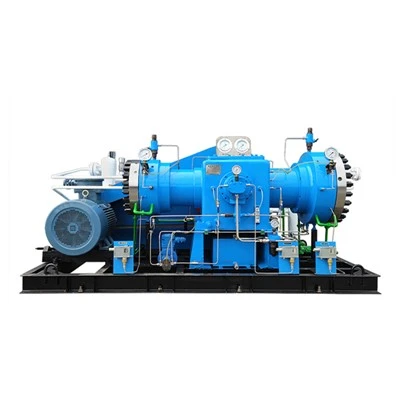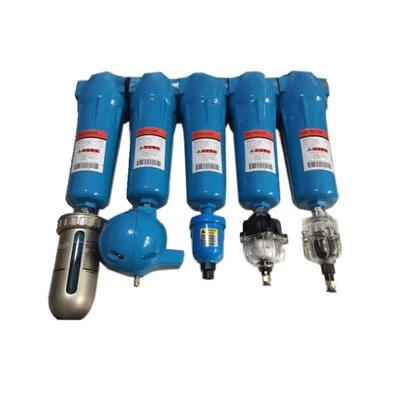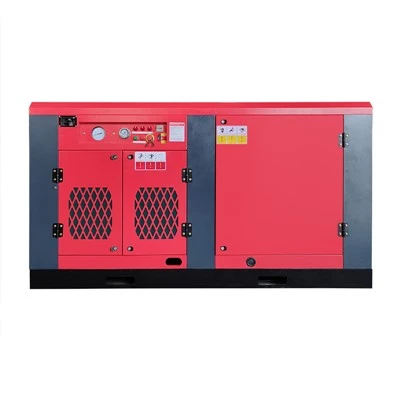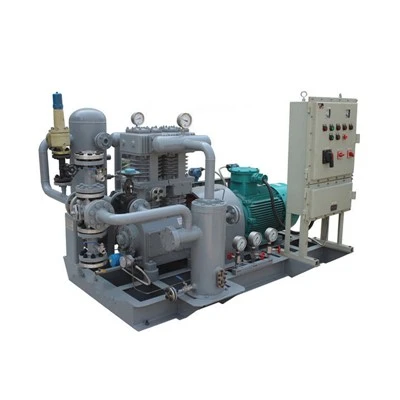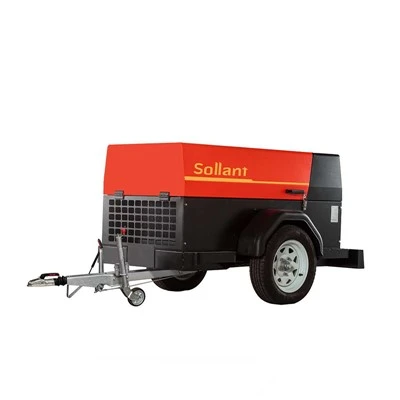
When it comes to industrial equipment, oil free air compressors have gained significant popularity due to their ability to provide clean, oil - free compressed air. As a supplier of Oil free Air Compressor, I've witnessed firsthand the numerous advantages they offer, such as suitability for applications where oil contamination is unacceptable, like food and beverage production, pharmaceutical manufacturing, and electronics assembly. However, it's important to have a balanced view. Just like any technology, oil free air compressors also come with their own set of disadvantages. In this blog post, I'll delve into some of these drawbacks to help you make a more informed decision when considering an oil free air compressor for your business.
High Initial Cost
One of the most prominent disadvantages of oil free air compressors is their high initial purchase price. Compared to oil - lubricated air compressors, oil free models can cost significantly more. This is mainly because of the advanced technology and specialized components required to achieve an oil - free operation. For instance, oil free compressors often use special coatings on the compression chamber and high - precision bearings to reduce friction without the need for oil. These features drive up the manufacturing cost, which is then passed on to the consumer.
Let's take a look at a real - world example. A small - scale oil - lubricated air compressor for a light - industrial workshop might cost around $1,000 - $3,000. In contrast, an equivalent oil free air compressor could cost anywhere from $3,000 to $8,000 or even more, depending on the capacity and features. For businesses on a tight budget, this price difference can be a major deterrent, especially when they are just starting out or need to purchase multiple units.
Higher Energy Consumption
Oil free air compressors generally consume more energy than their oil - lubricated counterparts. The absence of oil, which acts as a lubricant and coolant in traditional compressors, means that oil free compressors have to work harder to achieve the same level of compression. This results in increased power consumption, which translates into higher electricity bills over time.


In a study conducted by an independent energy research firm, it was found that oil free air compressors can consume up to 15% - 20% more energy than oil - lubricated compressors under similar operating conditions. For a large - scale industrial facility that runs its air compressors continuously, this additional energy consumption can add up to a substantial amount of money over the course of a year. For example, if a factory spends $50,000 a year on electricity for its oil - lubricated air compressors, switching to oil free models could increase the annual energy cost by $7,500 - $10,000.
Limited Compression Ratio
Another drawback of oil free air compressors is their relatively limited compression ratio. The compression ratio is the ratio of the absolute discharge pressure to the absolute suction pressure. Oil - lubricated compressors can typically achieve higher compression ratios because the oil helps to seal the compression chamber and reduce leakage. In oil free compressors, without the sealing effect of oil, it's more difficult to achieve high compression ratios.
This limitation can be a problem in applications where high - pressure air is required. For example, in some manufacturing processes, such as pneumatic tool operation or high - pressure cleaning, a high compression ratio is necessary to generate the required pressure. If an oil free air compressor cannot provide the desired compression ratio, it may not be suitable for these applications, and businesses may have to look for alternative solutions.
More Frequent Maintenance Requirements
Oil free air compressors require more frequent maintenance compared to oil - lubricated ones. Since there is no oil to lubricate and protect the internal components, the wear and tear on parts such as bearings, seals, and rotors are more pronounced. This means that these components need to be inspected, cleaned, and replaced more often to ensure the proper functioning of the compressor.
For example, the air intake filters in oil free air compressors need to be changed regularly to prevent dust and debris from entering the compression chamber and causing damage. The seals also need to be checked for leaks and replaced if necessary. In addition, the rotors may require periodic re - alignment to maintain optimal performance. All these maintenance tasks not only take up time but also incur additional costs for replacement parts and labor.
Noise and Vibration
Oil free air compressors tend to produce more noise and vibration during operation. Without the damping effect of oil, the mechanical components in the compressor can generate more noise as they move and interact with each other. This can be a significant issue in work environments where noise levels need to be kept to a minimum, such as offices, hospitals, or schools.
Excessive vibration can also cause problems. It can lead to premature wear and tear on the compressor itself and on the surrounding equipment. In some cases, the vibration can even cause damage to the building structure if the compressor is not properly installed and isolated. To mitigate these issues, additional noise - reducing and vibration - damping measures may need to be taken, such as installing acoustic enclosures or vibration isolators, which add to the overall cost of the system.
Lower Capacity for Some Applications
In certain high - demand applications, oil free air compressors may have a lower capacity compared to oil - lubricated compressors. The design and operation of oil free compressors can limit their ability to deliver large volumes of compressed air at high pressures. This can be a problem for industries that require a continuous and high - volume supply of compressed air, such as large - scale manufacturing plants or automotive assembly lines.
For example, an oil - lubricated compressor might be able to provide a continuous flow of 100 cubic feet per minute (CFM) at a pressure of 100 pounds per square inch (PSI), while an equivalent oil free compressor may only be able to deliver 70 - 80 CFM at the same pressure. This lower capacity can result in production bottlenecks and reduced efficiency in these high - demand applications.
Sensitivity to Environmental Conditions
Oil free air compressors are more sensitive to environmental conditions than oil - lubricated compressors. They are particularly vulnerable to high temperatures and humidity. High temperatures can cause the internal components of the compressor to expand, which can lead to increased friction and wear. It can also reduce the efficiency of the compressor and increase the risk of overheating.
Humidity can also be a problem. Moisture in the air can condense inside the compressor, leading to corrosion of the internal components and reduced performance. In addition, the presence of moisture can also affect the quality of the compressed air, which is a major concern in applications where clean, dry air is required.
Cost of Replacement Parts
The cost of replacement parts for oil free air compressors is generally higher than for oil - lubricated compressors. As mentioned earlier, oil free compressors use specialized components to achieve oil - free operation. These components are often more expensive to manufacture and source, which means that when a part needs to be replaced, the cost can be quite high.
For example, a replacement rotor for an oil free air compressor can cost several thousand dollars, while a similar part for an oil - lubricated compressor may cost only a few hundred dollars. This high cost of replacement parts can be a significant factor in the total cost of ownership of an oil free air compressor over its lifetime.
Despite these disadvantages, oil free air compressors still have their place in many industries, especially where the quality of compressed air is of utmost importance. At our company, we offer a range of Water Injected Air Compressor and Oil Free Screw Blower solutions that are designed to minimize some of these drawbacks while providing the clean, oil - free compressed air that your business needs.
If you're considering an oil free air compressor for your application, we encourage you to contact us for a detailed discussion. Our team of experts can help you evaluate your needs, understand the pros and cons, and make the right choice for your business. We're committed to providing you with the best - in - class products and services to ensure the success of your operations.
References
- Energy Research Report on Air Compressor Efficiency, Independent Energy Research Firm
- Industrial Air Compressor Maintenance Guide, Industry Association Publication
- Compressor Technology Handbook, Technical Publishing Company