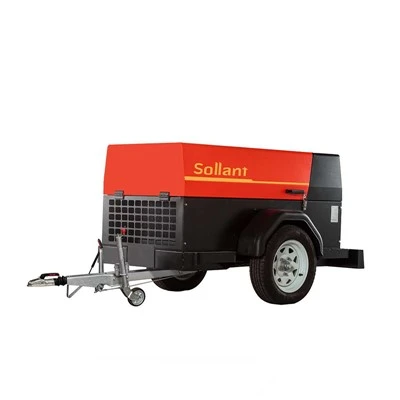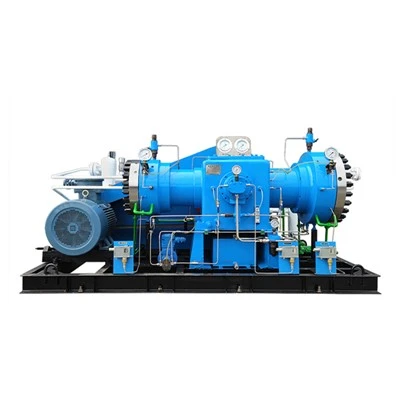
In the realm of high pressure air compressors, the moisture separator plays a pivotal role in ensuring the efficiency, reliability, and longevity of the entire system. As a leading supplier of high pressure air compressors, we understand the significance of this component and its impact on the overall performance of the equipment. In this blog post, we will delve into the functions of the moisture separator in a high pressure air compressor, exploring its importance and how it contributes to the smooth operation of the system.
Understanding the Basics of a High Pressure Air Compressor
Before we dive into the role of the moisture separator, let's first understand the basic workings of a high pressure air compressor. A high pressure air compressor is a machine that increases the pressure of air by reducing its volume. This process is achieved through a series of compression stages, where the air is compressed and cooled to increase its density. The compressed air is then stored in a tank or used directly in various applications, such as pneumatic tools, industrial processes, and medical equipment.
During the compression process, the air is heated, which causes the water vapor present in the air to condense. This condensed water, along with other contaminants such as oil and dust, can accumulate in the compressor system and cause a range of problems, including corrosion, reduced efficiency, and damage to the equipment. This is where the moisture separator comes in.


The Function of the Moisture Separator
The primary function of the moisture separator in a high pressure air compressor is to remove the moisture and other contaminants from the compressed air. This is achieved through a combination of physical and mechanical processes, which separate the water and other impurities from the air.
One of the most common types of moisture separators is the centrifugal separator. This type of separator uses centrifugal force to separate the water and other contaminants from the air. As the compressed air enters the separator, it is forced to rotate at high speed, causing the heavier water droplets and contaminants to be thrown to the outer walls of the separator. These droplets then collect at the bottom of the separator and are drained off, while the clean air continues to flow through the system.
Another type of moisture separator is the coalescing separator. This type of separator uses a special filter media to coalesce the water droplets in the compressed air. As the air passes through the filter media, the water droplets are attracted to the fibers of the media and combine to form larger droplets. These larger droplets then fall to the bottom of the separator and are drained off, while the clean air continues to flow through the system.
In addition to removing moisture, the moisture separator also helps to remove other contaminants from the compressed air, such as oil and dust. This is important because these contaminants can cause damage to the equipment and reduce its efficiency. By removing these contaminants, the moisture separator helps to ensure the reliability and longevity of the compressor system.
The Importance of the Moisture Separator
The moisture separator is an essential component of a high pressure air compressor system. Without a properly functioning moisture separator, the compressed air can become contaminated with water, oil, and other impurities, which can cause a range of problems, including:
- Corrosion: The presence of water in the compressed air can cause corrosion in the compressor system, which can lead to leaks, reduced efficiency, and damage to the equipment.
- Reduced Efficiency: The presence of water and other contaminants in the compressed air can reduce the efficiency of the compressor system, which can lead to increased energy consumption and higher operating costs.
- Equipment Damage: The presence of water and other contaminants in the compressed air can cause damage to the equipment, such as valves, cylinders, and pistons, which can lead to costly repairs and downtime.
By removing the moisture and other contaminants from the compressed air, the moisture separator helps to prevent these problems and ensure the reliable and efficient operation of the compressor system.
Types of Moisture Separators
There are several types of moisture separators available for high pressure air compressors, each with its own advantages and disadvantages. Some of the most common types of moisture separators include:
- Centrifugal Separators: As mentioned earlier, centrifugal separators use centrifugal force to separate the water and other contaminants from the air. These separators are relatively simple and inexpensive, but they are not as effective at removing small water droplets and other contaminants as other types of separators.
- Coalescing Separators: Coalescing separators use a special filter media to coalesce the water droplets in the compressed air. These separators are more effective at removing small water droplets and other contaminants than centrifugal separators, but they are also more expensive.
- Refrigerated Dryers: Refrigerated dryers use a refrigeration system to cool the compressed air, causing the water vapor to condense and be removed from the air. These dryers are very effective at removing moisture from the compressed air, but they are also more expensive and require more maintenance than other types of separators.
- Desiccant Dryers: Desiccant dryers use a desiccant material, such as silica gel or activated alumina, to adsorb the water vapor from the compressed air. These dryers are very effective at removing moisture from the compressed air, but they are also more expensive and require more maintenance than other types of separators.
Choosing the Right Moisture Separator
When choosing a moisture separator for your high pressure air compressor, it is important to consider several factors, including the type of compressor, the operating conditions, and the required level of moisture removal. Some of the key factors to consider include:
- Compressor Type: Different types of compressors have different requirements for moisture removal. For example, oil-lubricated compressors require a different type of moisture separator than oil-free compressors.
- Operating Conditions: The operating conditions of the compressor, such as the temperature, pressure, and humidity, can also affect the performance of the moisture separator. For example, in high humidity environments, a more effective moisture separator may be required.
- Required Level of Moisture Removal: The required level of moisture removal depends on the specific application of the compressed air. For example, in applications where the compressed air is used in sensitive equipment, a higher level of moisture removal may be required.
As a supplier of high pressure air compressors, we can help you choose the right moisture separator for your specific needs. Our team of experts can provide you with detailed information about the different types of moisture separators available and help you select the one that is best suited for your application.
Related Products and Systems
In addition to moisture separators, we also offer a range of other products and systems for high pressure air compressors, including Medium- And High-pressure Gas Purification Systems, Micro-lubricated Medium And High Pressure Compressor System, and Oil-free Medium And High Pressure Compressor System. These products and systems are designed to work together to provide a comprehensive solution for your high pressure air compressor needs.
Conclusion
In conclusion, the moisture separator is an essential component of a high pressure air compressor system. It plays a crucial role in removing the moisture and other contaminants from the compressed air, which helps to ensure the reliability, efficiency, and longevity of the compressor system. By choosing the right moisture separator for your specific needs, you can ensure that your high pressure air compressor operates at its best and provides you with the performance and reliability you need.
If you are interested in learning more about our high pressure air compressors and related products and systems, or if you have any questions or need assistance with choosing the right moisture separator for your application, please do not hesitate to contact us. Our team of experts is here to help you find the best solution for your needs and ensure that your high pressure air compressor system operates at its best.
References
- Compressed Air and Gas Handbook, 4th Edition, by Patrick C. Kelly
- Industrial Compressed Air Systems, by John A. Schexnayder
- Air Compressor Handbook, by Klaus Brun and Allan Day