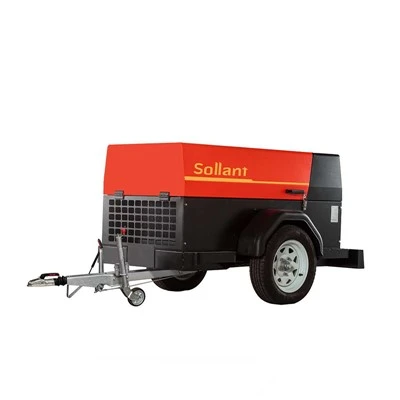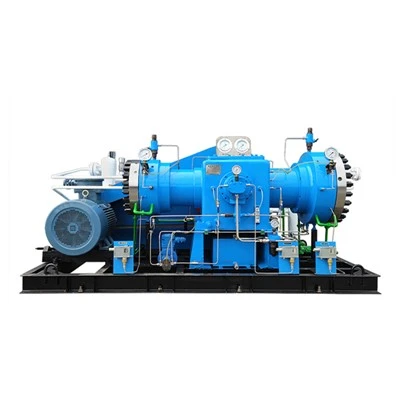
Hey there! As a supplier of water injected air compressors, I'm super stoked to share with you all the main components of these nifty machines. Water injected air compressors are pretty awesome because they use water as a coolant and lubricant, which helps in reducing wear and tear and also makes the compressed air super clean. Let's dive right into the key parts that make these compressors tick.
1. Compressor Element
The compressor element is like the heart of the water injected air compressor. It's where the actual compression of air happens. In a screw-type water injected compressor, there are two rotors - male and female. These rotors mesh together and as they rotate, they trap air in the spaces between the lobes. As the rotors continue to turn, the volume of the trapped air decreases, causing the air to compress.
The water injected into the compressor element serves multiple purposes. First, it cools down the air during compression. Compressing air generates a lot of heat, and if not cooled, it can damage the compressor and reduce its efficiency. The water also acts as a lubricant, reducing friction between the rotors and other moving parts. This helps in extending the lifespan of the compressor element and ensures smooth operation.
2. Water Separator
Once the air is compressed and mixed with water in the compressor element, it needs to be separated. That's where the water separator comes in. The water separator is designed to separate the water from the compressed air. It uses a combination of centrifugal force and gravity to achieve this.
As the air-water mixture enters the water separator, it spins rapidly. The heavier water droplets are forced to the outer walls of the separator due to centrifugal force and then drain down to the bottom. The separated air then moves on to the next stage of the compressor system. A good water separator is crucial for ensuring that the compressed air is free from excessive moisture, which can cause problems in downstream equipment.
3. Cooler
After the air is separated from the water, it still needs to be cooled further. The cooler plays a vital role in this process. There are different types of coolers used in water injected air compressors, such as air-cooled and water-cooled coolers.
Air-cooled coolers use ambient air to cool the compressed air. They have fins on the outside to increase the surface area for better heat transfer. As the hot compressed air passes through the cooler, the heat is transferred to the ambient air, and the air is cooled down.
Water-cooled coolers, on the other hand, use water to cool the compressed air. They have a series of tubes through which the compressed air flows, and water circulates around these tubes to absorb the heat. Water-cooled coolers are generally more efficient than air-cooled coolers, especially in hot environments.
4. Control System
The control system is like the brain of the water injected air compressor. It monitors and controls various parameters such as pressure, temperature, and water level. The control system ensures that the compressor operates within the specified limits and shuts down the compressor if any abnormal conditions are detected.
Modern water injected air compressors often come with advanced control systems that can be programmed to start and stop the compressor based on demand. They can also provide real-time data on the performance of the compressor, allowing operators to monitor and optimize its operation.
5. Air Intake Filter
The air intake filter is an important component that protects the compressor from dust, dirt, and other contaminants. It is located at the inlet of the compressor and filters the air before it enters the compressor element. A clean air intake filter is essential for maintaining the efficiency and longevity of the compressor.
Over time, the air intake filter can become clogged with dirt and debris. When this happens, it restricts the flow of air into the compressor, which can lead to reduced performance and increased energy consumption. Therefore, it's important to regularly clean or replace the air intake filter.
6. Water Pump
The water pump is responsible for circulating the water in the compressor system. It pumps water from the water tank to the compressor element and then to the water separator and cooler. The water pump ensures that there is a continuous supply of water for cooling and lubrication.
A reliable water pump is crucial for the proper operation of the water injected air compressor. If the water pump fails, it can lead to overheating of the compressor and damage to the compressor element. Therefore, it's important to choose a high-quality water pump and perform regular maintenance on it.
7. Water Tank
The water tank stores the water that is used in the compressor system. It provides a reservoir of water for the water pump to draw from. The size of the water tank depends on the size and capacity of the compressor.
The water in the tank needs to be kept clean to prevent the growth of bacteria and other contaminants. Regular water treatment and maintenance are required to ensure the quality of the water in the tank.
Why Choose Our Water Injected Air Compressors?
At our company, we take pride in offering high-quality water injected air compressors. Our compressors are designed with the latest technology and are built to last. We use only the best components in our compressors, ensuring reliable and efficient operation.
If you're in the market for a water injected air compressor, we've also got other great options like Dry Oil Free Air Compressor, Oil Free Screw Blower, and Oil free Air Compressor. These products are also top-notch and can meet a variety of industrial needs.
If you're interested in learning more about our water injected air compressors or any of our other products, don't hesitate to reach out. We'd be more than happy to discuss your specific requirements and help you find the perfect solution for your business.


References
- Compressed Air and Gas Institute. (2023). Handbook of Compressed Air Systems.
- ASME. (2022). Boiler and Pressure Vessel Code.