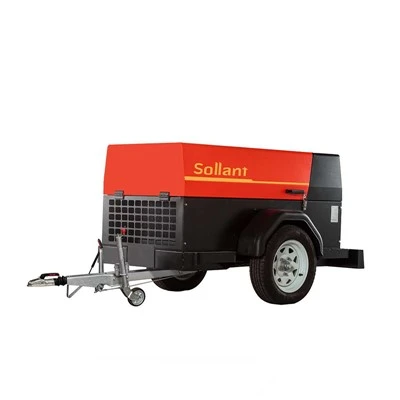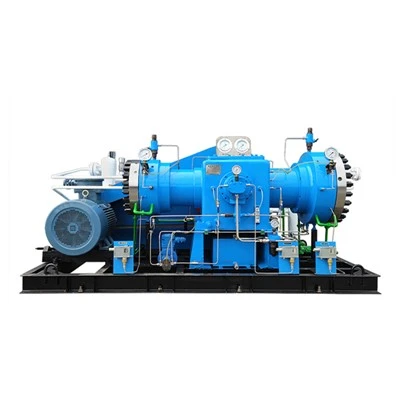
As a supplier of Stationary Diesel Air Compressors, one question that frequently arises from our clients is about the air quality output of these machines. Understanding the air quality output is crucial as it impacts various applications that rely on these compressors.
1. The Basics of Stationary Diesel Air Compressors
Stationary diesel air compressors are designed to provide a continuous and reliable source of compressed air. Unlike Portable Diesel Air Compressor, which are more mobile and suitable for on - site or temporary jobs, stationary diesel air compressors are typically installed in fixed locations such as factories, workshops, and large industrial facilities. They are powered by diesel engines, which offer high power output and durability, making them ideal for heavy - duty applications.
2. Factors Affecting Air Quality Output
2.1 Combustion By - products
Diesel engines work by combusting diesel fuel in the cylinders. During this combustion process, several by - products are generated, including nitrogen oxides (NOₓ), particulate matter (PM), carbon monoxide (CO), and sulfur dioxide (SO₂). These pollutants can potentially contaminate the compressed air output if not properly managed.
- Nitrogen Oxides (NOₓ): NOₓ is formed when nitrogen and oxygen in the air react at high temperatures during combustion. High levels of NOₓ can be harmful to human health, causing respiratory problems and contributing to the formation of smog and acid rain. In a stationary diesel air compressor, if the combustion process is inefficient, the amount of NOₓ emitted can increase, and some of it may find its way into the compressed air.
- Particulate Matter (PM): PM consists of tiny solid or liquid particles suspended in the air. Diesel combustion produces fine PM, which can be inhaled deep into the lungs and cause serious health issues. When the compressor is operating, these particles can enter the air intake system and contaminate the compressed air.
- Carbon Monoxide (CO): CO is a colorless and odorless gas produced by incomplete combustion of diesel fuel. In high concentrations, CO can be toxic as it binds to hemoglobin in the blood, reducing its ability to carry oxygen. Leakage from the engine's exhaust system or inefficient combustion can lead to CO contamination of the compressed air.
- Sulfur Dioxide (SO₂): If the diesel fuel used in the compressor contains sulfur, the combustion process will produce SO₂. SO₂ is a corrosive gas that can damage the compressor components and also pose a health risk to workers exposed to the compressed air.
2.2 Air Intake Conditions
The quality of the air drawn into the compressor also plays a significant role in determining the air quality output. If the intake air is polluted, dusty, or contains high levels of moisture, these contaminants will be compressed along with the air. For example, in industrial areas with high levels of air pollution, the compressor may intake pollutants such as heavy metals and volatile organic compounds (VOCs), which will then be present in the compressed air.
2.3 Compressor Design and Maintenance
The design of the stationary diesel air compressor can influence the air quality output. Compressors with efficient filtration systems are better at removing contaminants from the intake air. Regular maintenance of the compressor, including changing air filters, oil filters, and checking for leaks in the exhaust and intake systems, is essential to ensure clean air output. If the filters are clogged or the compressor is not properly maintained, the air quality will deteriorate.
3. Measuring Air Quality Output
To assess the air quality output of a stationary diesel air compressor, several parameters can be measured.
3.1 Particle Count
The number and size of particles in the compressed air can be measured using a particle counter. This device counts the number of particles within a specific size range, typically from 0.1 to 10 micrometers. High particle counts indicate poor air quality, which can cause problems in applications such as pneumatic tools and painting, where clean air is required.
3.2 Gas Analysis
Gas analyzers can be used to measure the concentration of various gases in the compressed air, including NOₓ, CO, and SO₂. These instruments can provide accurate readings of the gas levels, allowing users to determine if the compressed air meets the required quality standards.
4. Improving Air Quality Output
4.1 High - quality Filtration Systems
Installing high - quality air filters in the compressor can significantly improve the air quality output. These filters are designed to capture particles of different sizes, including dust, pollen, and PM. Additionally, activated carbon filters can be used to remove gaseous contaminants such as VOCs and odors.
4.2 Exhaust Gas Treatment
To reduce the emission of pollutants from the diesel engine, exhaust gas treatment systems can be installed. Catalytic converters can be used to convert harmful gases such as CO and NOₓ into less harmful substances. Diesel particulate filters (DPFs) can trap and remove PM from the exhaust gas, preventing it from entering the air intake system.

4.3 Proper Location and Ventilation
Placing the stationary diesel air compressor in a well - ventilated area can help prevent the recirculation of polluted air. The intake air should be drawn from a clean location, away from sources of pollution such as exhaust vents and industrial processes. Adequate ventilation also helps to dissipate heat and prevent the buildup of harmful gases.
5. Importance of Clean Air Output in Different Applications
5.1 Manufacturing
In manufacturing processes, such as precision machining and electronics assembly, clean compressed air is essential. Contaminants in the compressed air can damage sensitive components and affect the quality of the final product. For example, particles in the compressed air can scratch the surface of machined parts, and gaseous contaminants can cause corrosion on electronic circuits.
5.2 Food and Beverage Industry
In the food and beverage industry, the compressed air used in production must meet strict hygiene standards. Any contamination in the compressed air can lead to food spoilage and pose a risk to consumer health. Therefore, high - quality air output is crucial for applications such as pneumatic conveying, packaging, and bottling.
5.3 Medical and Pharmaceutical Applications
In medical and pharmaceutical settings, clean compressed air is used in various equipment, such as ventilators and nebulizers. Contaminated air can cause infections and other health problems for patients. Therefore, the air quality output of the compressor must be carefully monitored and maintained to ensure the safety and effectiveness of these medical devices.
6. Our Stationary Diesel Air Compressors
At our company, we are committed to providing Stationary Diesel Air Compressor with high - quality air output. Our compressors are equipped with advanced filtration systems and exhaust gas treatment technologies to minimize the emission of pollutants and ensure clean compressed air. We also offer comprehensive maintenance services to help our customers keep their compressors in optimal condition.
7. Contact Us for Procurement
If you are in the market for a reliable stationary diesel air compressor with excellent air quality output, we invite you to contact us. Our team of experts can provide you with detailed information about our products, including specifications, performance, and pricing. We can also work with you to determine the best compressor solution for your specific application. Whether you are a small workshop or a large industrial facility, we have the right product to meet your needs. Don't hesitate to reach out and start a procurement discussion with us. We look forward to serving you and helping you improve the efficiency and quality of your operations with our Diesel Air Compressor.
References
- ASHRAE Handbook - HVAC Systems and Equipment. American Society of Heating, Refrigerating and Air - Conditioning Engineers.
- Compressed Air and Gas Handbook. Ingersoll Rand.
- "Diesel Engine Emission Control: Technologies and Regulations" by Charles E. Zimmerman.