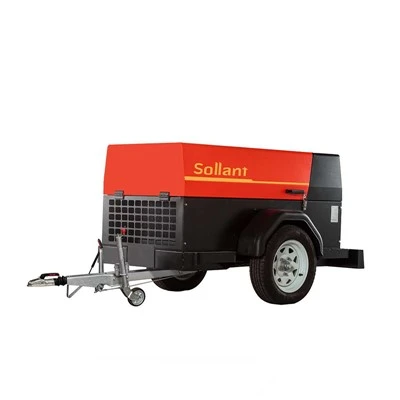
When it comes to high pressure breathing air compressors, one of the key decisions you'll face is whether to go for an oil-lubricated or an oil-free model. As a supplier of high pressure breathing air compressors, I've seen firsthand the differences between these two types, and I'm here to break it down for you.
How They Work
Let's start with the basics of how these compressors operate. Both oil-lubricated and oil-free high pressure breathing air compressors are designed to take in air and compress it to a higher pressure, which can then be used for various applications, like filling scuba tanks or providing breathable air in industrial settings.
An oil-lubricated compressor uses oil to lubricate its moving parts, such as pistons and bearings. This oil helps reduce friction, which in turn lowers wear and tear on the components. It also helps with heat dissipation, keeping the compressor cool during operation. The oil forms a seal between the moving parts, preventing air leakage and improving the compressor's efficiency.
On the other hand, an oil-free compressor doesn't use oil for lubrication. Instead, it relies on materials like Teflon or other self-lubricating coatings on its moving parts. These coatings reduce friction without the need for oil. This design is great for applications where oil contamination of the compressed air is a concern, like in the medical or food industries.
Performance
In terms of performance, oil-lubricated compressors generally have an edge. They can achieve higher pressures more easily and are often more durable. The oil lubrication allows for smoother operation, which means less vibration and noise. This can be a big plus, especially in environments where noise is a problem.
Oil-lubricated compressors also tend to have a longer lifespan. The oil helps protect the internal components from corrosion and wear, so you won't have to replace parts as often. This can save you money in the long run, even though the initial cost of an oil-lubricated compressor might be higher.
However, oil-free compressors have their own performance advantages. They are lighter and more portable, making them a great choice for on-the-go applications. Since there's no oil to worry about, they require less maintenance. You don't have to change the oil or worry about oil leaks, which can be a hassle with oil-lubricated models.
Maintenance
Maintenance is a crucial factor to consider when choosing between oil-lubricated and oil-free compressors. As I mentioned earlier, oil-lubricated compressors need regular oil changes. The frequency of these changes depends on how often you use the compressor, but it's usually recommended every few hundred hours of operation. You also have to check the oil level regularly and make sure it's clean.
In addition to oil changes, oil-lubricated compressors need their air filters replaced regularly. The filters prevent dirt and debris from entering the compressor and mixing with the oil. If the filters aren't changed, the oil can become contaminated, which can damage the compressor.
Oil-free compressors, on the other hand, have much less maintenance. You don't have to worry about oil changes or oil filter replacements. However, you still need to replace the air filters, just like with oil-lubricated compressors. The self-lubricating coatings on the moving parts can wear out over time, but this usually takes a long time, especially if you use the compressor properly.
Cost
Cost is always a consideration when buying any piece of equipment. Oil-lubricated compressors are generally more expensive upfront. This is because they are more complex and use higher-quality materials. However, as I mentioned earlier, they can be more cost-effective in the long run due to their longer lifespan and lower maintenance costs.
Oil-free compressors are usually cheaper to buy initially. They are simpler in design and don't require the same level of components as oil-lubricated models. However, if you use the compressor frequently, you might end up spending more on replacement parts over time, since the self-lubricating coatings can wear out.


Applications
The choice between oil-lubricated and oil-free compressors also depends on the application. If you need high-pressure air for industrial applications where oil contamination isn't a problem, an oil-lubricated compressor is a great choice. It can handle heavy-duty use and provide consistent performance.
For applications where oil contamination is a concern, like in the medical or food industries, an oil-free compressor is the way to go. It ensures that the compressed air is clean and free of oil, which is essential for these types of applications.
Our Products
At our company, we offer a range of high pressure breathing air compressors to suit different needs. For example, the SLT-100 Respirator Air Pump High Pressure Compressor is a great option for those who need a reliable and efficient compressor for moderate use. It's available in both oil-lubricated and oil-free versions, so you can choose the one that's right for you.
If you need a more powerful compressor, the SLT-400 Respirator Air Pump High Pressure Compressor is a great choice. It can handle high-pressure applications with ease and is built to last.
For those who need a compressor for specific industrial applications, the SLT-265 Respirator Air Pump High Pressure Compressor is a versatile option. It offers a good balance between performance and cost.
Conclusion
In conclusion, the choice between oil-lubricated and oil-free high pressure breathing air compressors depends on your specific needs. If you need high performance, durability, and don't mind the extra maintenance, an oil-lubricated compressor is a great option. If you need clean air and less maintenance, an oil-free compressor is the way to go.
We're here to help you make the right choice. If you have any questions or need more information about our products, don't hesitate to reach out. We can provide you with detailed specifications and help you find the compressor that's perfect for your application. Whether you're a small business owner or a large industrial company, we have the expertise and the products to meet your needs. Contact us today to start the conversation about your high pressure breathing air compressor requirements.
References
- Compressed Air and Gas Institute (CAGI) - Industry standards and guidelines for compressors.
- Manufacturer's manuals for high pressure breathing air compressors.