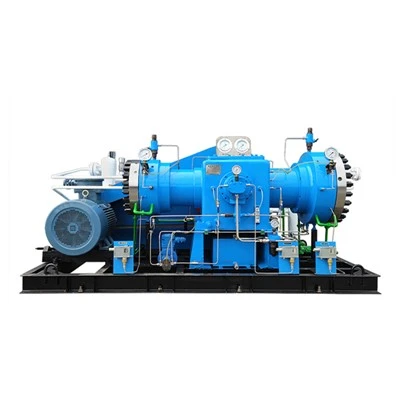
In the high - stakes environment of medical facilities, the reliability and performance of a gas compressor within a medical gas supply system are of utmost importance. As a gas compressor supplier, we understand the critical nature of these systems and the strict requirements they must adhere to.
Purity and Contamination Control
One of the most fundamental requirements for a gas compressor in a medical gas supply system is the ability to deliver high - purity gas. Medical gases such as oxygen, nitrogen, and nitrous oxide are used for patient breathing support, anesthesia, and various medical procedures. Any contamination in these gases can have severe consequences for patient health.
For example, in the case of oxygen compressors Oxygen Compressor, the compressor must be designed to prevent the introduction of oil, moisture, and particulate matter into the gas stream. Oil contamination can lead to respiratory problems and even pose a fire hazard when in contact with oxygen. Moisture can cause corrosion within the gas delivery system and promote the growth of bacteria, which can lead to infections in patients.
Modern gas compressors often use oil - free technologies to eliminate the risk of oil contamination. These compressors rely on materials such as Teflon - coated components or dry - running piston rings to ensure a clean gas output. Additionally, advanced filtration systems are installed at the intake and output of the compressor to remove any particulate matter that may be present in the ambient air or generated during the compression process.
Safety and Reliability
Medical gas supply systems are required to operate continuously and safely. A gas compressor failure can disrupt patient care and put lives at risk. Therefore, strict safety standards are in place to ensure the reliable operation of these compressors.
The compressor must be designed with multiple safety features. For instance, over - pressure protection devices are essential to prevent the compressor from exceeding safe operating pressures. These devices can include pressure relief valves that automatically open when the pressure reaches a predetermined limit, releasing excess gas and protecting the compressor and the entire gas supply system from damage.
Temperature sensors are also crucial. Overheating can cause component failure and potentially lead to a fire. The compressor should be equipped with sensors that monitor the temperature of critical components such as the motor, cylinders, and bearings. If the temperature exceeds a safe level, the system can automatically shut down to prevent damage.
Regular maintenance and inspection are mandatory for medical gas compressors. As a gas compressor supplier, we provide detailed maintenance schedules and procedures to our customers. This includes tasks such as changing filters, checking lubrication levels (if applicable), and inspecting electrical connections. By following these maintenance guidelines, the risk of unexpected breakdowns can be significantly reduced.


Performance and Capacity
The performance and capacity of a gas compressor must be carefully matched to the specific needs of the medical facility. Different medical procedures require different flow rates and pressures of medical gases.
For smaller clinics or doctor's offices, a compressor with a lower capacity may be sufficient. These compressors typically need to support a limited number of patients at a time and may have a lower demand for gas flow. On the other hand, large hospitals with intensive care units, operating rooms, and multiple patient beds require high - capacity compressors that can deliver a continuous and stable supply of medical gases.
Pressure regulation is also a critical factor. The compressor must be able to maintain a consistent pressure within the gas supply system, regardless of the fluctuations in demand. This is typically achieved through the use of pressure regulators and control systems that adjust the compressor's operation in real - time.
Compliance with Standards and Regulations
Medical gas compressors are subject to a variety of national and international standards and regulations. In the United States, the Food and Drug Administration (FDA) regulates medical devices, including gas compressors. Compressors must meet specific performance and safety requirements outlined in FDA regulations to be legally sold and used in medical settings.
Internationally, standards such as ISO 7396 - 1 specify the requirements for medical gas pipeline systems, including the compressors used in these systems. These standards cover aspects such as design, construction, installation, and maintenance of medical gas compressors.
As a gas compressor supplier, we ensure that all our products are fully compliant with these standards and regulations. Our manufacturing processes are carefully monitored to ensure that every compressor meets or exceeds the required specifications.
Environmental and Energy Considerations
In today's world, environmental and energy efficiency are becoming increasingly important. Medical facilities are also looking for ways to reduce their carbon footprint and energy consumption.
Gas compressors can be designed to operate more efficiently, reducing energy consumption and greenhouse gas emissions. For example, variable - speed drive (VSD) compressors can adjust the motor speed based on the demand for gas. This means that the compressor consumes less energy when the demand is low, resulting in significant energy savings over time.
Additionally, environmentally friendly refrigerants and lubricants can be used in the compressor design. These substances have a lower impact on the ozone layer and global warming potential compared to traditional alternatives.
Biogas and LPG Compressors in Medical Applications
In some cases, biogas Biogas Compressor and LPG LPG Compressor compressors can also be relevant in medical settings. Biogas, which is produced from organic waste, can be a sustainable source of energy for small - scale medical facilities. These compressors are used to store and transport biogas efficiently, allowing it to be used for heating or powering equipment.
LPG compressors are used when LPG is used as a fuel source in medical facilities, particularly in areas where access to other energy sources is limited. These compressors need to meet similar safety and performance requirements as other medical gas compressors to ensure reliable operation.
Conclusion
The requirements for a gas compressor in a medical gas supply system are strict and multifaceted. From purity and contamination control to safety, performance, compliance, and environmental considerations, every aspect of the compressor's design and operation is carefully regulated to ensure the well - being of patients.
As a gas compressor supplier, we are committed to providing high - quality products that meet all these requirements. Our team of experts is constantly working on research and development to improve the performance and safety of our compressors.
If you are in the market for a gas compressor for your medical gas supply system, we invite you to contact us to discuss your specific needs. Our experienced sales team can provide you with detailed information about our products and help you select the most suitable compressor for your facility. We look forward to the opportunity to work with you and contribute to the reliable operation of your medical gas supply system.
References
- Food and Drug Administration (FDA). Regulations on medical devices.
- ISO 7396 - 1: Medical gas pipeline systems - Part 1: Requirements for compressed medical gas and vacuum systems.