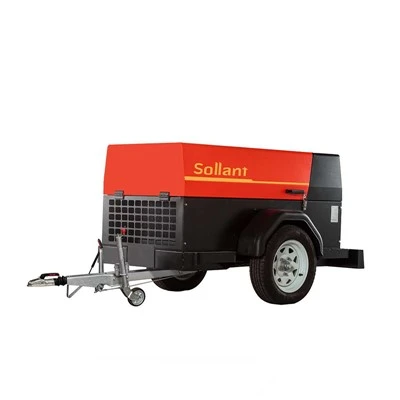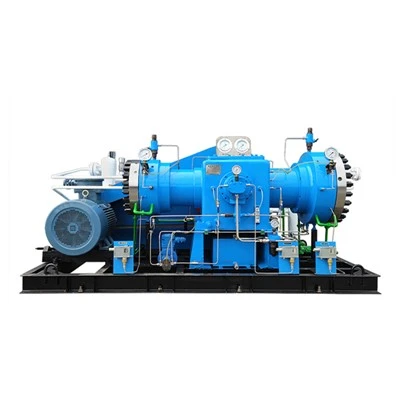
Transporting a large-sized stationary diesel air compressor is a complex and challenging task that requires careful planning and execution. As a supplier of stationary diesel air compressors, I have gained extensive experience in this area. In this blog post, I will share some essential tips and guidelines on how to transport these heavy and bulky machines safely and efficiently.
Understanding the Compressor
Before you start the transportation process, it is crucial to have a thorough understanding of the stationary diesel air compressor you are dealing with. These compressors are typically large, heavy, and may have delicate components. The weight and dimensions of the compressor can vary significantly depending on its capacity and features.
For instance, a large-sized stationary diesel air compressor can weigh several tons and have dimensions that make it difficult to maneuver. Some compressors may also have protruding parts or fragile components that need to be protected during transportation. You need to obtain the exact specifications of the compressor, including its weight, length, width, height, and the location of any sensitive parts.
Planning the Transportation
Route Planning
The first step in planning the transportation is to choose the right route. You need to consider factors such as road conditions, traffic, and any potential obstacles. Look for routes with wider roads and fewer sharp turns to minimize the risk of damage to the compressor. Avoid roads with low bridges or narrow passages that may not accommodate the size of the compressor.
It is also advisable to check for any road construction or closures along the route. You can use online mapping tools or consult with local transportation authorities to get up-to-date information. Additionally, consider the distance and estimated travel time to ensure that the compressor will reach its destination within the desired timeframe.
Permits and Regulations
Transporting a large-sized stationary diesel air compressor may require special permits. Different regions have different regulations regarding the transportation of oversized and overweight loads. You need to research and obtain all the necessary permits before starting the journey.
Contact the relevant transportation departments or authorities in the areas where you will be traveling. They can provide you with information on the specific requirements and the application process for permits. Make sure to apply for the permits well in advance to avoid any delays.
Equipment and Vehicles
Selecting the appropriate equipment and vehicles is essential for a successful transportation. You will need a heavy-duty truck or trailer with a sufficient weight capacity to carry the compressor. The truck or trailer should also be equipped with proper securing mechanisms to prevent the compressor from shifting during transit.
In addition to the transportation vehicle, you may need other equipment such as cranes or forklifts to load and unload the compressor. Ensure that these equipment are in good working condition and operated by trained professionals.
Preparing the Compressor for Transportation
Cleaning and Inspection
Before transporting the compressor, clean it thoroughly to remove any dirt, debris, or oil. This not only helps in maintaining the appearance of the compressor but also allows for a more detailed inspection. Check for any loose parts, leaks, or damage. Tighten any loose bolts or connections and repair any minor issues.
Inspect the compressor's components, such as the engine, air intake, and exhaust system, to ensure they are in good working condition. Make a note of any pre-existing damage or issues and document them with photos or written descriptions. This will help in case of any disputes during transportation.
Disconnecting and Securing Components
If possible, disconnect any removable components such as hoses, pipes, or electrical connections. This reduces the risk of damage to these parts during transportation. Label all the disconnected components clearly to ensure easy reinstallation at the destination.
Secure the remaining components of the compressor to prevent them from moving. Use straps, chains, or other appropriate securing devices to fasten the compressor to the transportation vehicle. Pay special attention to any protruding parts or areas that are more likely to be damaged.


Protecting Sensitive Parts
Identify the sensitive parts of the compressor, such as the control panel, gauges, and filters. Use protective covers or padding to shield these parts from impact and vibration. You can use foam, rubber, or other soft materials to provide a cushioning effect.
For example, cover the control panel with a plastic or cardboard cover to prevent scratches and damage from dust or moisture. Wrap the filters in protective bags to keep them clean and prevent any clogging.
Loading and Unloading the Compressor
Loading
Loading the compressor onto the transportation vehicle requires careful coordination and the use of proper equipment. If using a crane, ensure that the crane is rated for the weight of the compressor and that the lifting points are correctly identified. Attach the lifting slings or chains securely to the compressor and lift it slowly and steadily onto the truck or trailer.
If using a forklift, position the forklift correctly under the compressor and lift it carefully. Make sure the compressor is centered on the forklift forks to prevent it from tipping over. Once on the vehicle, secure the compressor immediately to prevent any movement during transit.
Unloading
Unloading the compressor at the destination follows a similar process to loading. Use the same equipment and safety precautions. Lower the compressor gently onto the ground or its intended location. Reconnect any disconnected components and perform a final inspection to ensure that the compressor is in good condition.
Monitoring the Transportation
During the transportation, it is important to monitor the compressor to ensure its safety. You can use tracking devices to keep an eye on the location and movement of the transportation vehicle. Additionally, consider installing vibration sensors or shock monitors on the compressor to detect any excessive vibrations or impacts.
If possible, arrange for a driver or escort to accompany the compressor during transit. The driver can report any issues or problems immediately and take appropriate action.
Conclusion
Transporting a large-sized stationary diesel air compressor is a demanding task that requires meticulous planning, preparation, and execution. By following the steps outlined in this blog post, you can minimize the risk of damage to the compressor and ensure its safe arrival at the destination.
If you are in the market for a Diesel Air Compressor, Portable Electric Air Compressor, or Stationary Electric Air Compressor, we are here to provide you with high-quality products and professional advice on transportation. Contact us for more information and to discuss your specific requirements.
References
- "Transportation of Heavy Equipment: Best Practices" - Industry Handbook on Heavy Equipment Transportation
- "Safety Guidelines for Loading and Unloading Large Machinery" - National Transportation Safety Council