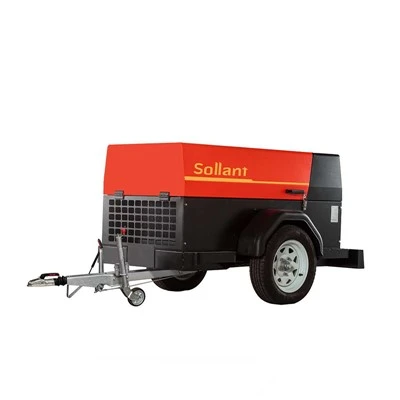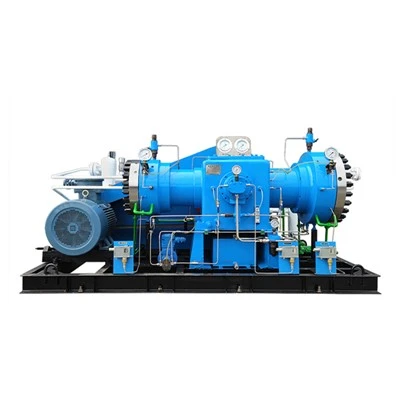
LPG (liquefied petroleum gas) compressors play a crucial role in various industries, from energy production to transportation. As a leading LPG compressor supplier, we understand the importance of safely transporting and handling these complex machines. In this blog post, we will delve into the best practices for ensuring the safe movement and operation of LPG compressors, covering everything from pre - transport preparations to post - installation checks.
Pre - transport Preparations
Before any LPG compressor is transported, a series of meticulous preparations must be carried out. First and foremost, it is essential to conduct a comprehensive inspection of the compressor. Check for any signs of damage, loose parts, or leaks. This inspection should cover all components, including the compressor housing, valves, pipes, and electrical connections.
Documentation is another vital aspect of pre - transport preparations. Ensure that all relevant manuals, certificates, and test reports are compiled and securely stored. These documents not only provide valuable information for the transportation team but also for the end - user during installation and operation.
Proper packaging is key to protecting the LPG compressor during transit. The compressor should be enclosed in a sturdy crate that can withstand the rigors of transportation. Shock - absorbing materials, such as foam or rubber, should be used to cushion the compressor and prevent any damage from vibrations or impacts.
Transportation Considerations
When it comes to transporting an LPG compressor, choosing the right mode of transportation is critical. Depending on the size and weight of the compressor, options may include road, rail, sea, or air freight. Each mode has its own set of advantages and limitations, and the choice should be based on factors such as distance, cost, and time constraints.
For road transportation, ensure that the vehicle used is suitable for carrying heavy and bulky equipment. The compressor should be securely fastened to the vehicle to prevent it from shifting during transit. Additionally, drivers should be well - trained in handling oversized loads and should follow all relevant traffic regulations.
If transporting by sea, the compressor should be loaded onto a suitable vessel and properly secured. Special attention should be paid to the storage conditions on board, including temperature and humidity control. Sea transportation may also require additional documentation, such as customs clearance and shipping insurance.
During transportation, it is important to monitor the compressor's condition regularly. This can be done through the use of sensors or by conducting periodic visual inspections. Any signs of damage or malfunction should be addressed immediately to prevent further issues.
Handling at the Destination
Upon arrival at the destination, the LPG compressor must be handled with extreme care. A team of trained professionals should be responsible for unloading the compressor from the transportation vehicle. Specialized lifting equipment, such as cranes or forklifts, should be used to ensure a safe and efficient unloading process.
Once the compressor is unloaded, it should be placed on a stable and level surface. Before installation, a final inspection should be carried out to confirm that the compressor has not been damaged during transportation. This inspection should be more detailed than the pre - transport inspection and should include functional tests of all components.
Installation and Commissioning
The installation of an LPG compressor is a complex process that requires expertise and precision. It is recommended to have a team of experienced technicians carry out the installation. They should follow the manufacturer's instructions carefully and ensure that all connections are properly tightened and sealed.
During the installation process, safety measures should be strictly enforced. This includes wearing appropriate personal protective equipment (PPE), such as safety glasses, gloves, and hard hats. Additionally, all electrical and gas connections should be checked for compliance with safety standards.
After installation, the compressor should undergo a thorough commissioning process. This involves testing the compressor under various operating conditions to ensure that it is functioning correctly. All parameters, such as pressure, temperature, and flow rate, should be monitored and recorded. Any issues identified during the commissioning process should be resolved before the compressor is put into full - scale operation.
Maintenance and Safety Checks
Regular maintenance is essential for the safe and efficient operation of an LPG compressor. A maintenance schedule should be established based on the manufacturer's recommendations. This schedule should include tasks such as oil changes, filter replacements, and valve inspections.
In addition to regular maintenance, safety checks should be conducted on a frequent basis. These checks should focus on identifying potential hazards, such as leaks, overheating, or abnormal vibrations. Any safety concerns should be addressed immediately to prevent accidents.
It is also important to train the operators who will be using the LPG compressor. They should be familiar with the compressor's operation, safety features, and emergency procedures. Regular training sessions should be conducted to keep the operators updated on the latest safety practices.
Related Compressor Types
If you are also interested in other types of compressors, we offer a wide range of options. Our Oxygen Compressor is designed for applications where high - purity oxygen is required. It features advanced technology and reliable performance.


Our Natural Gas Compressor is suitable for various natural gas processing and transportation applications. It is built to handle the unique challenges of natural gas compression, such as high pressure and variable flow rates.
For those dealing with biogas, our Biogas Compressor is an ideal choice. It is specifically designed to compress biogas, which is a renewable energy source, efficiently and safely.
Conclusion
Safely transporting and handling an LPG compressor is a multi - step process that requires careful planning, attention to detail, and strict adherence to safety standards. As a reliable LPG compressor supplier, we are committed to providing our customers with high - quality products and comprehensive support throughout the entire process.
If you are in the market for an LPG compressor or have any questions about transportation and handling, we encourage you to contact us for a detailed discussion. Our team of experts is ready to assist you in finding the best solution for your specific needs.
References
- Compressor Handbook: A Guide to Compressor Technology and Applications
- International Standards for the Transportation of Dangerous Goods
- Safety Guidelines for the Installation and Operation of LPG Compressors