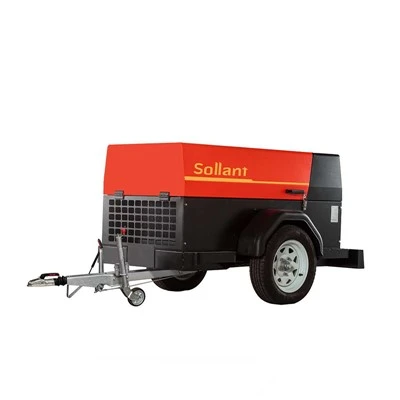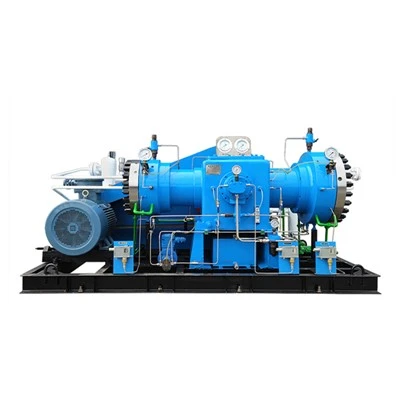
Hey there! As a supplier of Stationary Diesel Air Compressors, I've seen firsthand the challenges that cold weather can pose to these machines. One of the most common issues is ice formation, which can lead to reduced performance, increased wear and tear, and even costly breakdowns. In this blog post, I'll share some tips on how to prevent ice formation in a stationary diesel air compressor during cold weather.
Understanding the Problem
Before we dive into the solutions, let's take a quick look at why ice forms in air compressors in the first place. When the air is compressed, it heats up. As this hot, compressed air cools down, the water vapor it contains condenses into liquid water. In cold weather, this liquid water can freeze, causing ice to form in the compressor's pipes, valves, and other components.
Tips for Preventing Ice Formation
1. Keep the Compressor Warm
One of the most effective ways to prevent ice formation is to keep the compressor warm. This can be done by installing the compressor in a heated building or using a space heater to warm the area around the compressor. If the compressor is located outdoors, you can use insulation blankets to wrap the compressor and its pipes. This will help to retain the heat generated by the compressor and prevent the water vapor from condensing and freezing.
2. Use a Desiccant Dryer
A desiccant dryer is a device that removes moisture from the compressed air. By removing the moisture, you can prevent the water vapor from condensing and freezing in the compressor's components. There are two main types of desiccant dryers: regenerative and non-regenerative. Regenerative dryers are more expensive but are more effective at removing moisture. Non-regenerative dryers are less expensive but need to be replaced more frequently.
3. Drain the Moisture Regularly
Even with a desiccant dryer, some moisture may still accumulate in the compressor's components. To prevent ice formation, it's important to drain the moisture regularly. Most compressors have a drain valve that can be used to remove the accumulated moisture. Make sure to drain the moisture at least once a day, or more frequently if the compressor is used in a high-humidity environment.


4. Use Anti-Freeze Additives
Another option for preventing ice formation is to use anti-freeze additives in the compressor's lubricant. Anti-freeze additives can lower the freezing point of the lubricant, preventing it from freezing in cold weather. However, it's important to use the right type of anti-freeze additive for your compressor. Check the manufacturer's recommendations before adding any additives to the lubricant.
5. Keep the Air Intake Clean
A dirty air intake can restrict the flow of air into the compressor, causing the compressor to work harder and generate more heat. This can lead to increased moisture in the compressed air, which can increase the risk of ice formation. To prevent this, make sure to keep the air intake clean. Regularly check the air filter and replace it if it's dirty.
Additional Tips
- Monitor the Temperature: Keep an eye on the temperature of the compressor and its surroundings. If the temperature drops below freezing, take extra precautions to prevent ice formation.
- Inspect the Compressor Regularly: Regularly inspect the compressor for signs of ice formation, such as frozen pipes or valves. If you notice any signs of ice formation, take immediate action to prevent further damage.
- Follow the Manufacturer's Recommendations: Always follow the manufacturer's recommendations for operating and maintaining your compressor. This will help to ensure that the compressor operates safely and efficiently, and will reduce the risk of ice formation and other problems.
Conclusion
Preventing ice formation in a stationary diesel air compressor during cold weather is essential for ensuring the compressor's performance and longevity. By following the tips outlined in this blog post, you can reduce the risk of ice formation and keep your compressor running smoothly all winter long.
If you're in the market for a new Stationary Diesel Air Compressor, or if you have any questions about preventing ice formation in your existing compressor, don't hesitate to contact us. We're here to help you find the right solution for your needs. And if you're also interested in a Portable Electric Air Compressor or a Sollant Portable Diesel Air Compressor Manufacturer And Supplier, we've got you covered too. Let's have a chat and see how we can work together!
References
- Compressed Air and Gas Institute (CAGI). "Cold Weather Operation of Compressed Air Systems."
- Ingersoll Rand. "Preventing Ice Formation in Compressed Air Systems."
- Quincy Compressor. "Cold Weather Tips for Air Compressors."