Hey there! As a supplier of Adsorption Air Dryers, I've seen firsthand how crucial the control logic of these machines is for optimizing their operation. In this blog, I'm gonna break down how the control logic works and why it's so important.
Let's start with the basics. An Adsorption Air Dryer is designed to remove moisture from compressed air. This is super important because moisture in compressed air can cause all sorts of problems, like corrosion in pipes, damage to pneumatic tools, and even affect the quality of products in manufacturing processes.
The control logic of an adsorption air dryer is like the brain of the machine. It decides when and how to perform different tasks to ensure the dryer operates efficiently and effectively. One of the key functions of the control logic is to manage the adsorption and regeneration cycles.
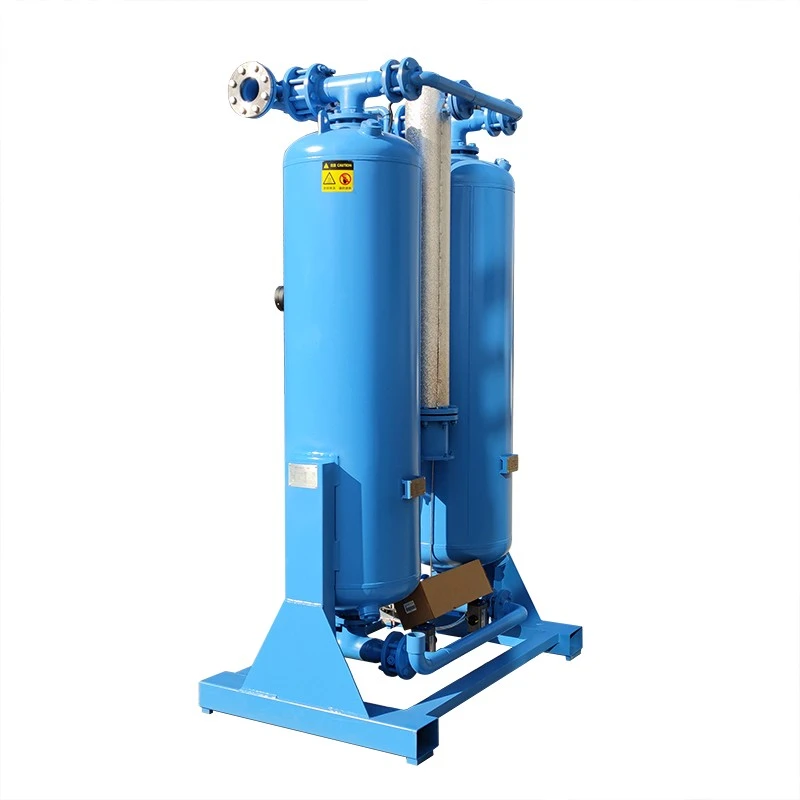
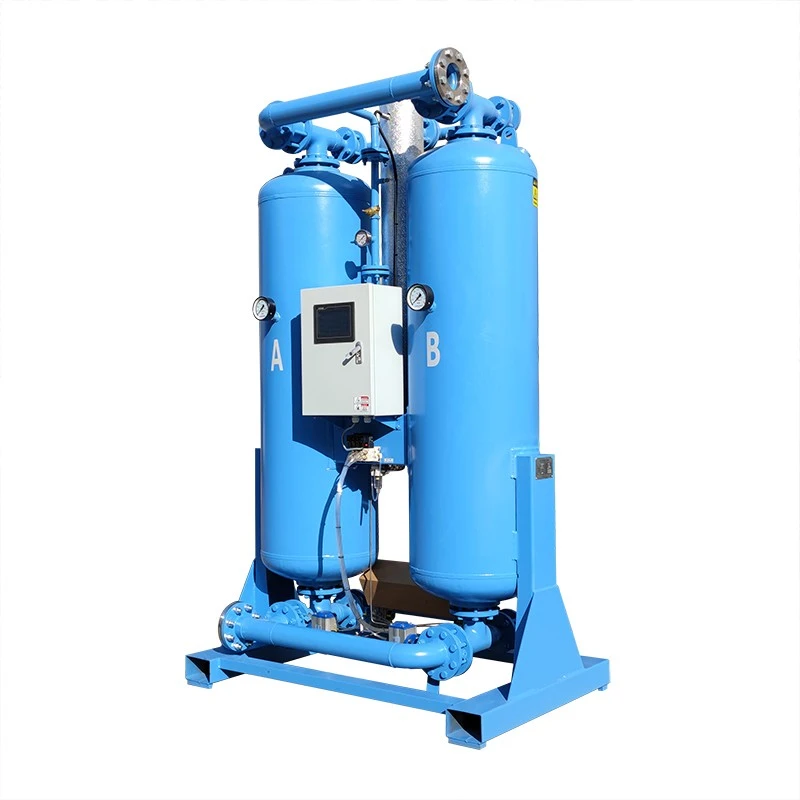
During the adsorption cycle, the wet compressed air passes through a bed of adsorbent material, usually activated alumina or molecular sieve. The adsorbent traps the moisture, allowing dry air to exit the dryer. But here's the thing: the adsorbent can only hold so much moisture. Once it reaches its saturation point, it needs to be regenerated.
That's where the regeneration cycle comes in. The control logic initiates the regeneration process at the right time. There are two main methods of regeneration: heatless regeneration and heated regeneration.
In heatless regeneration, a small portion of the dry air produced by the dryer is used to purge the saturated adsorbent bed. The control logic determines the flow rate and duration of this purge to ensure that the adsorbent is effectively regenerated. This method is simple and energy - efficient, but it does require a continuous supply of dry air for purging.
Heated regeneration, on the other hand, uses an external heat source to heat the saturated adsorbent bed. The heat drives off the moisture, and then a stream of cool air is used to cool the bed before it can be used for adsorption again. The control logic here has to manage the heating and cooling times, as well as the temperature levels, to optimize the regeneration process.
Another important aspect of the control logic is pressure control. The dryer needs to operate within a certain pressure range to function properly. If the pressure is too high, it can cause damage to the adsorbent bed or other components of the dryer. If it's too low, the adsorption and regeneration processes may not be effective. The control logic monitors the pressure and adjusts the operation of the dryer accordingly. For example, it can control the flow rate of the compressed air entering the dryer or the opening and closing of valves to maintain the optimal pressure.
Temperature control is also a big deal. The performance of the adsorbent material is highly dependent on temperature. In general, the adsorption capacity of the adsorbent decreases as the temperature increases. The control logic keeps an eye on the temperature of the compressed air and the adsorbent bed. If the temperature is too high, it can take measures such as adjusting the flow rate of the cooling air or reducing the heat input during the regeneration process.
Now, let's talk about how the control logic can optimize the operation of the dryer in terms of energy consumption. Energy is a major cost factor in operating an adsorption air dryer. By using advanced control algorithms, the dryer can adjust its operation based on the actual demand for dry air.
For instance, if the demand for dry air is low, the control logic can reduce the frequency of the regeneration cycles or adjust the flow rates to save energy. Some modern adsorption air dryers are equipped with sensors that can detect the moisture content of the incoming compressed air. The control logic can then use this information to determine the optimal duration of the adsorption and regeneration cycles. If the incoming air is relatively dry, the adsorption cycle can be extended, and the regeneration cycle can be delayed or shortened.
The control logic also plays a role in system integration. An adsorption air dryer is often part of a larger compressed air system that may include an Air Compressor Air Tank and other components. The control logic can communicate with these other components to ensure seamless operation. For example, it can coordinate with the air compressor to adjust the air supply based on the dryer's demand, or it can work with the air tank to manage the storage and release of compressed air.
Moreover, the control logic can provide valuable diagnostic information. It can monitor the performance of the dryer over time and detect any potential issues. For example, if the pressure drop across the adsorbent bed increases significantly, it could indicate a blockage or a problem with the adsorbent material. The control logic can alert the operator, allowing for timely maintenance and preventing more serious problems down the line.
In addition to all these technical aspects, the control logic can also be customized to meet the specific needs of different applications. Some industries may require a higher level of air dryness, while others may have more strict energy - efficiency requirements. As a supplier, we can work with our customers to tailor the control logic of the Adsorption Air Dryer to their unique circumstances.
If you're in the market for an adsorption air dryer, you'll want to look for one with a sophisticated control logic system. It can make a huge difference in the long - term performance and cost - effectiveness of your dryer. And as a supplier, we're committed to providing high - quality dryers with advanced control logic that can optimize your operation.
Whether you're in manufacturing, food and beverage, pharmaceuticals, or any other industry that relies on compressed air, having a reliable and efficient adsorption air dryer is essential. Our dryers are designed to work seamlessly with your existing compressed air system, and our control logic ensures that you get the best performance possible.
If you're interested in learning more about our Adsorption Air Dryer or have any questions about how the control logic can benefit your operation, we'd love to hear from you. Just reach out to us, and we'll be happy to have a detailed discussion with you about your specific needs and how our products can meet them. Let's work together to optimize your compressed air system and take your business to the next level.
References
- Compressed Air Handbook: A Guide to Compressed Air Systems and Components.
- Principles of Adsorption and Adsorption Processes, by Douglas M. Ruthven.
- Industrial Compressed Air Systems: Design, Operation, and Maintenance, by various authors.