High pressure reciprocating compressors are crucial equipment in various industrial applications, from oil and gas to chemical processing. However, gas leakage in these compressors can lead to significant safety hazards, environmental pollution, and economic losses. As a trusted supplier of high pressure reciprocating compressors, we understand the importance of preventing gas leakage and ensuring the safe and efficient operation of your equipment. In this blog post, we will share some effective strategies and best practices to help you prevent gas leakage in high pressure reciprocating compressors.
Understanding the Causes of Gas Leakage
Before we delve into the prevention strategies, it's essential to understand the common causes of gas leakage in high pressure reciprocating compressors. Some of the primary causes include:

- Worn Seals and Gaskets: Over time, the seals and gaskets in the compressor can wear out due to high pressure, temperature, and friction. This can lead to gaps and cracks, allowing gas to escape.
- Loose Fittings and Connections: Vibration and thermal expansion can cause the fittings and connections in the compressor to loosen over time. This can create leaks at the joints and connections.
- Damaged Valves: The valves in the compressor are responsible for controlling the flow of gas. If the valves are damaged or worn out, they may not seal properly, leading to gas leakage.
- Corrosion and Erosion: High pressure and corrosive gases can cause corrosion and erosion of the compressor components, including the cylinders, pistons, and valves. This can weaken the components and lead to gas leakage.
- Inadequate Maintenance: Lack of regular maintenance, including inspection, cleaning, and lubrication, can increase the risk of gas leakage. Over time, dirt, debris, and contaminants can accumulate in the compressor, causing damage to the components and seals.
Prevention Strategies
Now that we understand the causes of gas leakage, let's explore some effective prevention strategies:
- Regular Inspection and Maintenance: Schedule regular inspections and maintenance of your high pressure reciprocating compressors to identify and address any potential issues before they become major problems. This includes checking the seals, gaskets, fittings, connections, valves, and other components for wear, damage, and leaks. Replace any worn or damaged parts immediately.
- Use High-Quality Seals and Gaskets: Invest in high-quality seals and gaskets that are designed to withstand high pressure, temperature, and chemical exposure. Choose seals and gaskets made from materials such as PTFE, Viton, and nitrile rubber, which offer excellent resistance to wear, corrosion, and leakage.
- Tighten Fittings and Connections: Ensure that all the fittings and connections in the compressor are properly tightened and secured. Use thread sealants or gaskets to prevent leaks at the joints and connections. Check the fittings and connections regularly for tightness and retighten as needed.
- Maintain Proper Lubrication: Proper lubrication is essential for the smooth operation of the compressor and to prevent wear and tear of the components. Follow the manufacturer's recommendations for lubrication and use high-quality lubricants that are compatible with the compressor and the gases being compressed.
- Monitor Temperature and Pressure: Install temperature and pressure sensors in the compressor to monitor the operating conditions. High temperature and pressure can increase the risk of gas leakage, so it's important to keep these parameters within the recommended range. Set up alarms to alert you if the temperature or pressure exceeds the safe limits.
- Implement a Leak Detection System: Install a leak detection system in your high pressure reciprocating compressors to detect and locate any gas leaks. There are several types of leak detection systems available, including ultrasonic sensors, infrared sensors, and gas detectors. Choose a system that is suitable for your application and the type of gas being compressed.
- Train Your Staff: Provide comprehensive training to your staff on the proper operation, maintenance, and safety procedures for high pressure reciprocating compressors. Ensure that your staff is aware of the potential hazards of gas leakage and knows how to respond in case of an emergency.
- Use High-Quality Compressor Components: Invest in high-quality compressor components, including cylinders, pistons, valves, and fittings, from a reputable supplier. High-quality components are more durable and reliable, reducing the risk of gas leakage and other issues.
Our High Pressure Reciprocating Compressors
As a leading supplier of high pressure reciprocating compressors, we offer a wide range of products designed to meet the diverse needs of our customers. Our compressors are built to the highest standards of quality and reliability, using the latest technology and materials. We also offer a comprehensive range of services, including installation, commissioning, maintenance, and repair, to ensure the optimal performance of your compressors.
Some of our popular high pressure reciprocating compressors include:
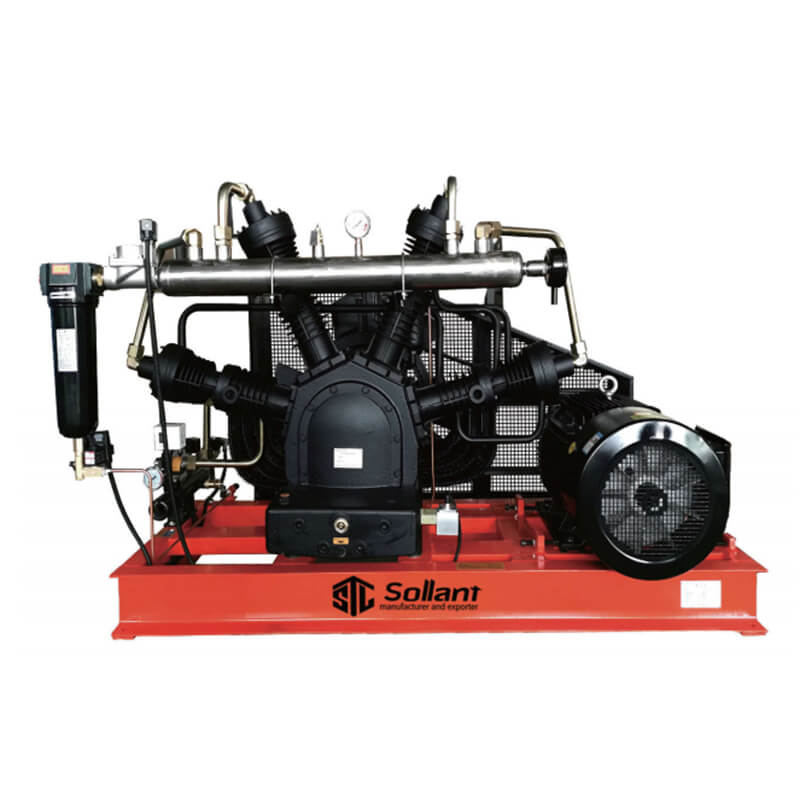
- 75-110KW Oil-Free Booster Compressor: This compressor is designed for applications where oil-free air is required, such as in the food and beverage industry, pharmaceuticals, and electronics. It features a compact design, high efficiency, and low noise level.
- 11KW High Pressure Booster Compressor: This compressor is ideal for small to medium-sized applications, such as laboratories, workshops, and small manufacturing facilities. It offers a high pressure ratio and a reliable performance.
- 30KW High Pressure Booster Air Compressor: This compressor is suitable for larger applications, such as industrial plants, refineries, and gas processing facilities. It provides a high flow rate and a high pressure output.
Conclusion
Preventing gas leakage in high pressure reciprocating compressors is essential for ensuring the safety, efficiency, and reliability of your equipment. By understanding the causes of gas leakage and implementing the prevention strategies outlined in this blog post, you can minimize the risk of leaks and ensure the optimal performance of your compressors.
If you are looking for high quality high pressure reciprocating compressors or need assistance with preventing gas leakage in your existing compressors, please contact us. Our team of experts is ready to help you find the right solution for your needs and ensure the safe and efficient operation of your equipment.
References
- Compressor Handbook, by Heinz P. Bloch and Fred K. Geitner
- Industrial Compressor Handbook: Principles and Practice, by David W. Brown
- High Pressure Technology: Fundamentals and Applications, by Richard A. Strehlow and Michael A. Haberman