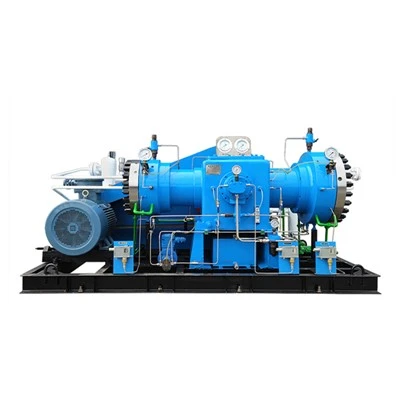
In today's world, environmental protection has become an increasingly important issue, and industries are constantly seeking ways to reduce their environmental impact. As a supplier of Oxygen Compressor, we are committed to promoting the development and use of more environmentally friendly oxygen compressors. This blog post will explore several strategies to make oxygen compressors more environmentally friendly, which not only helps protect the planet but also offers long - term benefits for businesses and users.
1. Energy - Efficient Design
One of the most significant ways to make an oxygen compressor more environmentally friendly is through energy - efficient design. Traditional compressors often consume a large amount of electricity, leading to high energy costs and increased carbon emissions. By optimizing the compressor's design, we can reduce its energy consumption significantly.
-
Advanced Compression Technology: Modern oxygen compressors can utilize advanced compression technologies such as variable - speed drives (VSD). VSD allows the compressor to adjust its speed according to the actual demand for oxygen. When the demand is low, the compressor can slow down, consuming less energy. In contrast, traditional fixed - speed compressors run at a constant speed regardless of the demand, resulting in unnecessary energy waste.
-
Improved Heat Exchangers: Efficient heat exchangers play a crucial role in reducing energy consumption. A well - designed heat exchanger can transfer heat more effectively, reducing the amount of energy required to cool the compressor. This not only saves energy but also extends the lifespan of the compressor by preventing overheating.


-
Optimized Airflow: Proper airflow design within the compressor can also enhance energy efficiency. By ensuring smooth and unobstructed airflow, the compressor can operate more efficiently, reducing the power needed to compress the oxygen.
2. Use of Environmentally Friendly Refrigerants
Many oxygen compressors use refrigerants for cooling purposes. Traditional refrigerants, such as chlorofluorocarbons (CFCs) and hydrochlorofluorocarbons (HCFCs), are known to have a significant impact on the ozone layer and contribute to global warming. As an environmentally conscious supplier, we advocate for the use of more eco - friendly refrigerants.
- Hydrofluorocarbons (HFCs) Alternatives: Although HFCs have been widely used as a replacement for CFCs and HCFCs, they still have a relatively high global warming potential (GWP). Newer alternatives, such as hydrofluoroolefins (HFOs), have a much lower GWP and are becoming increasingly popular in the compressor industry. HFOs offer similar cooling performance to HFCs but with a significantly reduced environmental impact.
- Natural Refrigerants: Another option is the use of natural refrigerants, such as carbon dioxide (CO₂) and ammonia (NH₃). CO₂ is a non - toxic and non - flammable refrigerant with a very low GWP. Ammonia, on the other hand, has excellent thermodynamic properties and is a natural and environmentally friendly choice. However, the use of ammonia requires careful handling due to its toxicity.
3. Reducing Emissions and Leakage
Minimizing emissions and leakage is essential for making oxygen compressors more environmentally friendly. Leaking oxygen can not only waste resources but also pose a safety hazard in some cases.
- Regular Maintenance and Inspection: Conducting regular maintenance and inspection of the compressor can help detect and repair any leaks promptly. This includes checking the seals, gaskets, and connections for signs of wear or damage. By ensuring that the compressor is in good working condition, we can prevent oxygen leakage and reduce emissions.
- Advanced Sealing Technology: Using advanced sealing technology can also reduce the risk of leakage. High - quality seals can provide a better barrier against oxygen leakage, even under high - pressure conditions. Additionally, some modern seals are designed to be more durable and resistant to wear, further reducing the likelihood of leakage over time.
4. Recycling and Reuse
At the end of its lifespan, an oxygen compressor can still contribute to environmental protection through recycling and reuse.
- Component Recycling: Many components of an oxygen compressor, such as metals and plastics, can be recycled. By separating and recycling these materials, we can reduce the demand for new raw materials and minimize the environmental impact of manufacturing new compressors.
- Reconditioning and Resale: In some cases, oxygen compressors can be reconditioned and resold. This not only extends the useful life of the compressor but also reduces the need for new production. Reconditioned compressors can be a cost - effective option for customers, especially those with budget constraints.
5. Noise Reduction
Noise pollution is another environmental concern associated with oxygen compressors. Excessive noise can have a negative impact on the surrounding environment and the well - being of nearby residents and workers.
- Sound - Insulating Materials: Using sound - insulating materials in the compressor's enclosure can significantly reduce noise levels. These materials can absorb and dampen the sound waves generated by the compressor, making it quieter during operation.
- Quiet Compressor Design: Some modern oxygen compressors are designed with noise reduction in mind. For example, the compressor's motor and other moving parts can be designed to operate more quietly, reducing the overall noise output.
6. Integration with Renewable Energy Sources
To further enhance the environmental friendliness of oxygen compressors, we can integrate them with renewable energy sources.
- Solar Power: Solar panels can be used to generate electricity to power the oxygen compressor. This not only reduces the reliance on fossil fuels but also provides a clean and sustainable source of energy. In sunny regions, solar - powered oxygen compressors can operate independently, reducing the carbon footprint associated with their operation.
- Wind Power: Similarly, wind turbines can be used to generate electricity for the compressor. Wind power is a renewable and abundant energy source, and integrating it with oxygen compressors can help reduce greenhouse gas emissions.
Conclusion
Making oxygen compressors more environmentally friendly is a multi - faceted challenge that requires a combination of technological innovation, proper maintenance, and sustainable practices. As a Oxygen Compressor supplier, we are dedicated to providing our customers with compressors that are not only efficient and reliable but also environmentally friendly. By implementing the strategies outlined in this blog post, we can reduce the environmental impact of oxygen compressors and contribute to a more sustainable future.
If you are interested in our environmentally friendly oxygen compressors or have any questions about how to make your existing compressor more eco - friendly, we encourage you to contact us for a detailed discussion. We also offer a wide range of other compressors, such as Nitrogen Compressor and LPG Compressor. Let's work together to achieve a greener and more sustainable world.
References
- ASHRAE Handbook of Refrigeration.
- Compressor Technology Handbook, Second Edition by Heinz P. Bloch and Fred K. Geitner.
- Environmental Protection Agency (EPA) guidelines on refrigerant management.