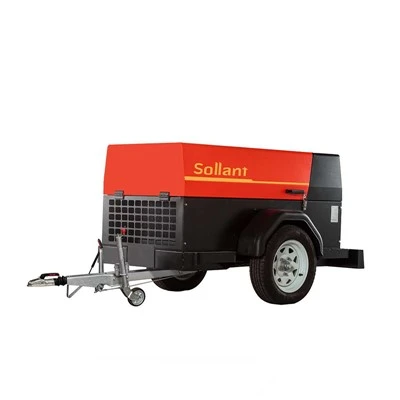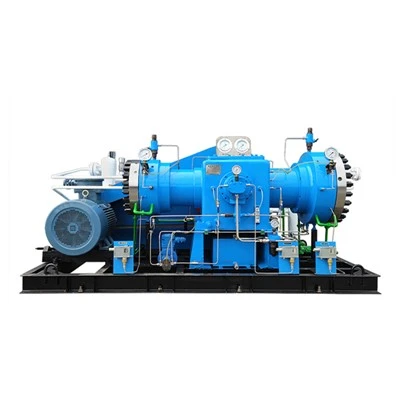
Hey there! I'm a supplier of Stationary Electric Air Compressors, and I'm stoked to share with you how to install one. Whether you're a DIY enthusiast or a professional in the industry, getting your stationary electric air compressor up and running can seem a bit daunting at first. But don't worry, I've got you covered with a step-by-step guide that'll make the process a breeze.
Step 1: Choose the Right Location
First things first, you need to pick the perfect spot for your air compressor. It should be a well-ventilated area because these machines generate heat when they're working. A stuffy space can cause the compressor to overheat, which is a big no-no. Also, make sure the location is level. An uneven surface can put extra stress on the compressor's components and lead to premature wear and tear.
The area should be dry too. Moisture can damage the electrical parts and cause rusting on the metal components. And it's a good idea to place it away from any sources of dust or debris. You don't want all that gunk getting into the compressor and clogging it up.
Step 2: Gather Your Tools
Before you start the installation, gather all the tools you'll need. You'll typically need a socket set, a wrench, a screwdriver, and maybe a drill if you have to make any holes for mounting. Having everything ready beforehand will save you a lot of time and hassle. It's like having all your ingredients ready before you start cooking. You don't want to be running around looking for a tool in the middle of the installation.
Step 3: Unpack and Inspect the Compressor
Once you've got your location and tools sorted, it's time to unpack the compressor. Carefully take it out of the box and check for any damage that might have occurred during shipping. Look for dents, scratches, or any loose parts. If you find anything wrong, contact the manufacturer right away. It's better to deal with these issues before you start the installation.
Step 4: Mount the Compressor
Most stationary electric air compressors come with mounting holes. You can mount it on a wall or a sturdy bench. If you're mounting it on a wall, make sure the wall is strong enough to support the weight of the compressor. Use the appropriate screws or bolts to secure it in place. If you're mounting it on a bench, make sure it's level and stable.
Step 5: Connect the Electrical Wiring
This is a crucial step, so you need to be extra careful. First, make sure the power is off before you start working on the wiring. Follow the manufacturer's instructions for connecting the wires. Usually, you'll need to connect the compressor to a grounded electrical outlet. The wiring should be sized correctly to handle the amperage of the compressor. If you're not confident about doing the wiring yourself, it's best to hire a qualified electrician.
Step 6: Install the Air Intake and Outlet
Next, you'll need to install the air intake and outlet. The air intake is where the compressor sucks in air, and the outlet is where the compressed air comes out. Make sure the intake is clean and free of any obstructions. You can use a filter to prevent dust and debris from getting into the compressor.
Connect the outlet to your air tools or the system you're using the compressor for. You might need to use hoses or pipes to make the connection. Make sure all the connections are tight to prevent air leaks.
Step 7: Add Oil (if required)
Some stationary electric air compressors require oil to lubricate the moving parts. Check the manufacturer's instructions to see if your compressor needs oil. If it does, use the recommended type of oil and fill it to the appropriate level. Overfilling or underfilling the oil can cause problems with the compressor's performance.
Step 8: Test the Compressor
Once you've completed all the installation steps, it's time to test the compressor. Turn on the power and let the compressor run for a few minutes. Listen for any strange noises or vibrations. Check for any air leaks around the connections. If everything seems to be working fine, you're good to go.
Why Choose Our Stationary Electric Air Compressors?
We're not just any supplier. Our stationary electric air compressors are built to last. They're made with high-quality materials and advanced technology to ensure reliable performance. Whether you need a compressor for your home workshop or a large industrial facility, we've got the right model for you.
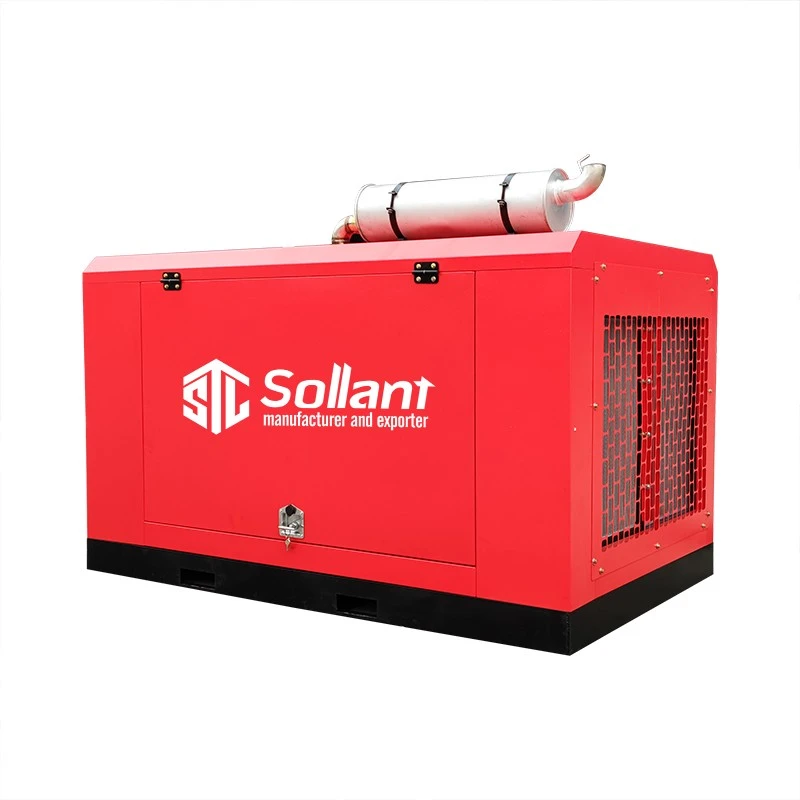
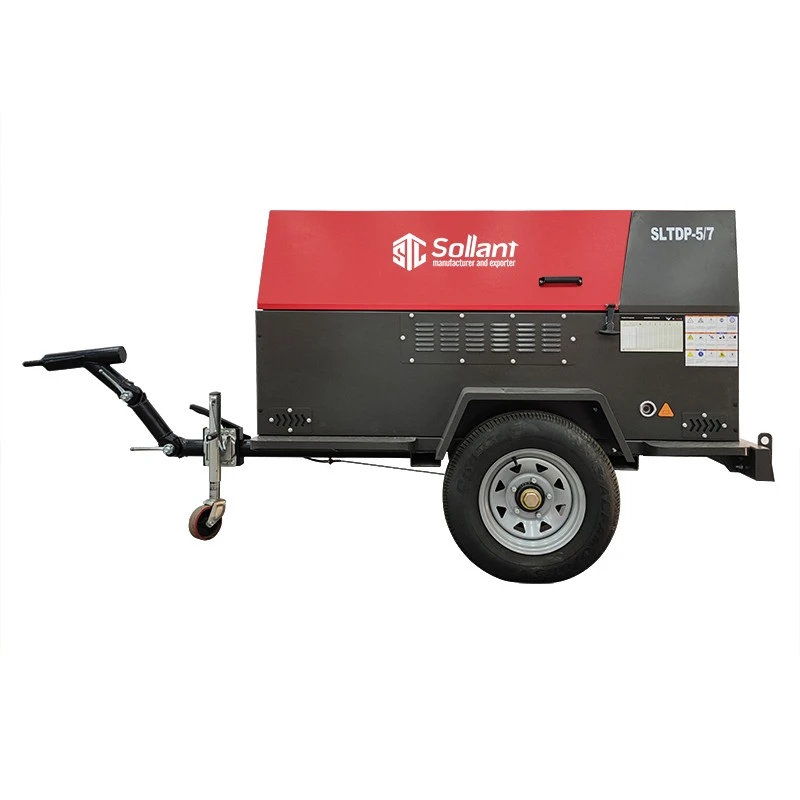
And if you're also interested in other types of air compressors, we've got you covered. Check out our Portable Electric Air Compressor for a more mobile option, or our Diesel Air Compressor if you need something with more power. We also have Stationary Diesel Air Compressor for specific industrial applications.
Contact Us for Purchase and洽谈
If you're interested in purchasing a stationary electric air compressor or have any questions about the installation process, don't hesitate to reach out. We're here to help you make the right choice and ensure a smooth installation. Just drop us a message, and we'll get back to you as soon as possible.
References
- Compressor Installation Manuals from Various Manufacturers
- Industry Standards for Air Compressor Installation