Hey there! As a supplier of Air Compressor Inline Filters, I often get asked about the safety concerns related to these nifty little devices. So, I thought I'd sit down and write this blog to share my thoughts and expertise on the matter.
Let's start by understanding what an Air Compressor Inline Filter is. An Air Compressor Inline Filter is a crucial component in any compressed air system. It's designed to remove contaminants such as dust, dirt, oil, and water from the compressed air. This not only helps in improving the quality of the compressed air but also protects the downstream equipment from damage.
Now, let's dive into the safety concerns. One of the primary safety concerns with air compressor inline filters is the potential for clogging. When a filter gets clogged, it restricts the flow of compressed air. This can lead to a significant increase in pressure within the system. If the pressure exceeds the maximum rated pressure of the system components, it can cause them to fail catastrophically. For example, pipes may burst, valves may malfunction, and in extreme cases, the air compressor itself could be damaged.
Another safety concern is the build - up of moisture. Compressed air often contains water vapor, and if the inline filter is not effective in removing this moisture, it can lead to corrosion within the system. Corroded pipes and components are weaker and more likely to fail under pressure. Moisture can also cause problems for pneumatic tools and equipment that rely on clean, dry compressed air. Rust and scale can form inside the tools, leading to reduced performance and potentially dangerous malfunctions.
Oil contamination is also a big deal. If the filter fails to remove oil from the compressed air, it can cause a variety of issues. In some industrial processes, oil in the compressed air can contaminate the final product. For example, in the food and beverage industry, oil - contaminated compressed air can render products unsafe for consumption. In addition, oil can also cause problems with seals and gaskets in the system, leading to leaks. Leaking compressed air can be a safety hazard as it can cause sudden drops in pressure, which may affect the operation of equipment.
Now, you might be wondering how to mitigate these safety concerns. Regular maintenance is key. You should regularly check the filter for signs of clogging, such as a drop in air pressure or an increase in the operating temperature of the compressor. If the filter is clogged, it should be replaced immediately. It's also important to follow the manufacturer's recommended maintenance schedule for your air compressor inline filter.
Proper installation is also crucial. The filter should be installed correctly according to the manufacturer's instructions. Incorrect installation can lead to improper sealing, which can allow contaminants to bypass the filter. Make sure that all connections are tight and that the filter is installed in the correct orientation.
When it comes to choosing an air compressor inline filter, you need to consider the specific requirements of your application. Different applications may require different levels of filtration. For example, if you're using compressed air in a cleanroom environment, you'll need a high - efficiency filter that can remove even the smallest particles. On the other hand, if you're using compressed air for general industrial applications, a standard filter may be sufficient.
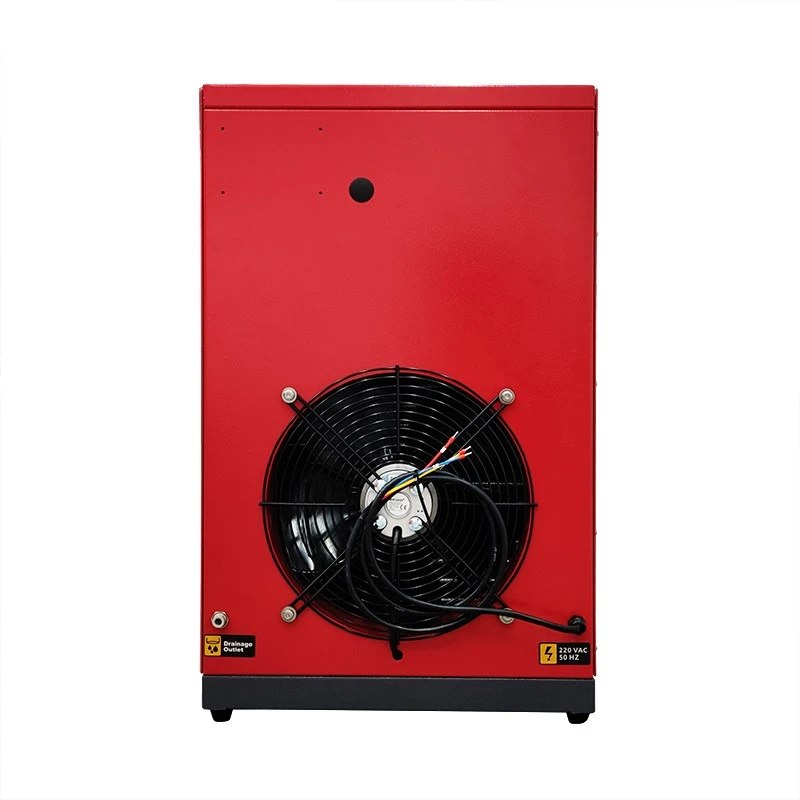
Compressed Air Treatment is also an important aspect to consider. A refrigerated air dryer can help in removing moisture from the compressed air before it reaches the inline filter. This can significantly reduce the load on the filter and improve its effectiveness in removing other contaminants. As Your Preferred Refrigerated Air Dryer Manufacturer suggests, using a high - quality refrigerated air dryer in conjunction with an inline filter can provide a more comprehensive solution for your compressed air system.
In conclusion, while air compressor inline filters are essential for the proper functioning of a compressed air system, they do come with some safety concerns. However, by being aware of these concerns and taking the necessary precautions, you can ensure the safe and efficient operation of your system.
If you're in the market for a reliable Air Compressor Inline Filter or have any questions about the safety of your compressed air system, don't hesitate to reach out. We're here to help you make the right choice and ensure that your system operates safely and efficiently. Let's start a conversation about your specific needs and how we can provide the best solution for you.

References
- General knowledge of air compressor systems and inline filters from industry experience.
- Technical manuals and guidelines from air compressor and filter manufacturers.