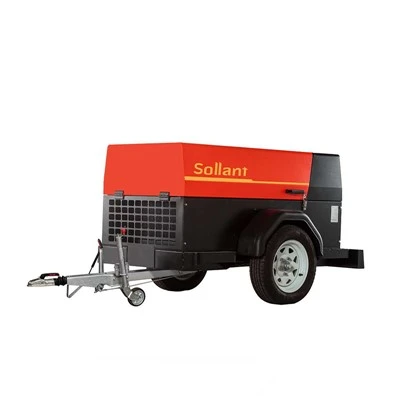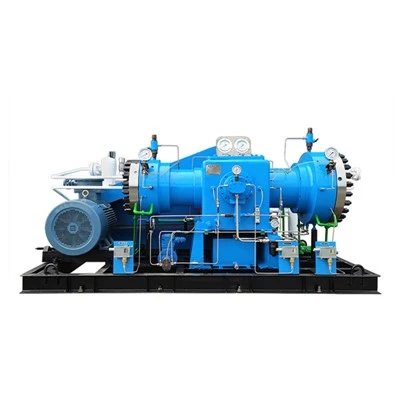
Hey there! As a supplier of LPG compressors, I've seen firsthand how crucial it is to ensure the compatibility of LPG with the compressor materials. In this blog post, I'll share some insights and tips on how to achieve this, so you can keep your LPG compressor running smoothly and safely.
Understanding LPG and Its Properties
First things first, let's talk about LPG. LPG, or liquefied petroleum gas, is a mixture of hydrocarbon gases, mainly propane and butane. It's commonly used as a fuel for heating, cooking, and in some vehicles. LPG is stored and transported in a liquid state under pressure, which makes it highly efficient and convenient.
However, LPG has some unique properties that can pose challenges when it comes to compressor materials. For example, LPG is a hydrocarbon, which means it can dissolve certain types of rubber and plastics. It can also react with some metals, causing corrosion and degradation over time. These reactions can lead to leaks, reduced performance, and even safety hazards.
Choosing the Right Compressor Materials
To ensure the compatibility of LPG with the compressor materials, it's essential to choose the right materials from the start. Here are some key considerations when selecting compressor materials for LPG applications:
Metals
- Stainless Steel: Stainless steel is a popular choice for LPG compressor components because it's resistant to corrosion and has good mechanical properties. It can withstand the harsh conditions of LPG compression, including high pressures and temperatures.
- Aluminum: Aluminum is lightweight and has good thermal conductivity, which makes it suitable for some compressor parts. However, it's important to note that aluminum can react with LPG under certain conditions, so it's crucial to use a protective coating or alloy to prevent corrosion.
- Carbon Steel: Carbon steel is a strong and durable material, but it's prone to corrosion when exposed to LPG. To use carbon steel in LPG compressors, it's necessary to apply a protective coating, such as paint or galvanization, to prevent rust and corrosion.
Elastomers
- Nitrile Rubber (NBR): NBR is a common elastomer used in LPG compressor seals and gaskets. It has good resistance to LPG and other hydrocarbons, as well as excellent mechanical properties. However, NBR may not be suitable for high-temperature applications, as it can lose its elasticity and become brittle over time.
- Fluorocarbon Rubber (FKM): FKM is a high-performance elastomer that offers excellent resistance to LPG, chemicals, and high temperatures. It's often used in critical sealing applications where reliability and durability are essential. However, FKM is more expensive than NBR, so it may not be the most cost-effective option for all applications.
- Ethylene Propylene Diene Monomer (EPDM): EPDM is a versatile elastomer that has good resistance to water, steam, and some chemicals. However, it's not recommended for use with LPG, as it can swell and lose its mechanical properties when exposed to hydrocarbons.
Plastics
- Polycarbonate: Polycarbonate is a strong and transparent plastic that has good resistance to impact and heat. It's often used in compressor sight glasses and other components where visibility is required. However, polycarbonate can be affected by LPG over time, so it's important to choose a grade that's specifically designed for LPG applications.
- Polytetrafluoroethylene (PTFE): PTFE is a non-stick plastic that has excellent chemical resistance and low friction. It's commonly used in compressor seals and bearings to reduce wear and improve performance. PTFE is also resistant to LPG and other hydrocarbons, making it a suitable choice for LPG compressor applications.
Testing and Quality Control
Once you've selected the appropriate compressor materials, it's important to conduct thorough testing and quality control to ensure their compatibility with LPG. Here are some steps you can take to test and validate the materials:
Material Compatibility Testing
- Immersion Testing: Immersion testing involves immersing the material sample in LPG for a specified period of time and then measuring its physical and chemical properties. This test can help you determine if the material is resistant to LPG and if it will maintain its integrity over time.
- Pressure Testing: Pressure testing is used to evaluate the strength and durability of the compressor components under high-pressure conditions. By subjecting the components to simulated operating pressures, you can identify any potential weaknesses or failures before they occur in the field.
- Temperature Testing: Temperature testing is important to ensure that the compressor materials can withstand the high temperatures generated during the compression process. By exposing the materials to elevated temperatures, you can assess their thermal stability and performance.
Quality Control Measures
- Inspection and Verification: Regular inspection and verification of the compressor components are essential to ensure that they meet the required quality standards. This includes visual inspection, dimensional measurement, and non-destructive testing to detect any defects or irregularities.
- Documentation and Traceability: Keeping detailed documentation of the material selection, testing results, and manufacturing processes is crucial for quality control and traceability. This documentation can help you track the performance of the compressor components over time and identify any potential issues or trends.
- Supplier Evaluation: Working with reliable and reputable suppliers is key to ensuring the quality and compatibility of the compressor materials. Conducting regular supplier evaluations and audits can help you identify any potential risks or issues and take appropriate corrective actions.
Maintenance and Monitoring
Even with the right materials and proper testing, it's important to perform regular maintenance and monitoring to ensure the long-term compatibility of LPG with the compressor materials. Here are some maintenance and monitoring tips to keep in mind:
Regular Maintenance
- Lubrication: Proper lubrication is essential to reduce friction and wear in the compressor components. Use a high-quality lubricant that's compatible with LPG and follow the manufacturer's recommendations for lubrication intervals and quantities.
- Filter Replacement: Regularly replacing the compressor filters is important to prevent contaminants from entering the system and causing damage to the components. Make sure to use filters that are specifically designed for LPG applications.
- Seal and Gasket Inspection: Inspect the compressor seals and gaskets regularly for signs of wear, damage, or leakage. Replace any worn or damaged seals and gaskets immediately to prevent LPG leaks and ensure the integrity of the system.
Monitoring
- Pressure and Temperature Monitoring: Monitoring the pressure and temperature of the compressor during operation can help you detect any abnormal conditions or trends. Use pressure and temperature sensors to collect data and analyze it to identify any potential issues or problems.
- Leak Detection: Regularly checking for LPG leaks is crucial for safety and performance. Use leak detection equipment, such as gas detectors or ultrasonic leak detectors, to detect any leaks in the system and take appropriate action to repair them.
- Performance Monitoring: Monitoring the performance of the compressor, such as its flow rate, efficiency, and power consumption, can help you identify any changes or trends over time. This can help you detect any potential issues or problems early and take corrective action before they become major issues.
Conclusion
Ensuring the compatibility of LPG with the compressor materials is essential for the safe and reliable operation of LPG compressors. By choosing the right materials, conducting thorough testing and quality control, and performing regular maintenance and monitoring, you can minimize the risk of material degradation, leaks, and other issues.
If you're in the market for a high-quality LPG compressor or need more information about ensuring material compatibility, don't hesitate to reach out. We're a leading supplier of LPG compressors, and we also offer Nitrogen Compressor, Diaphragm Compressor, and Oxygen Compressor solutions. Our team of experts is here to help you find the right compressor for your specific needs and ensure its optimal performance. Contact us today to start the conversation and explore how we can support your LPG compression requirements.


References
- ASME Boiler and Pressure Vessel Code
- API 618 - Reciprocating Compressors for Petroleum, Chemical, and Gas Industry Services
- ISO 13703 - Petroleum and natural gas industries - Reciprocating compressors
- Manufacturer's technical documentation and guidelines for LPG compressors and materials