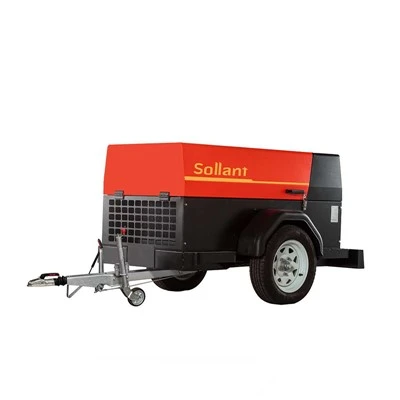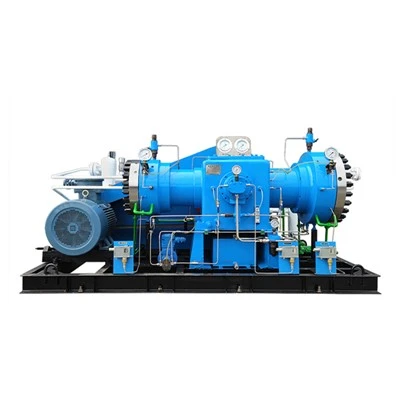
Hey there! As a supplier of Water Injected Air Compressor, I know how important it is to keep an eye on the water level in these machines. In this blog, I'm gonna share some tips on how to check the water level in a water injected air compressor.
Why is Checking the Water Level Important?
First off, let's talk about why checking the water level matters. In a water injected air compressor, water plays a crucial role. It helps in cooling the compressed air, lubricating the moving parts, and sealing the compression chamber. If the water level is too low, the compressor may overheat, leading to premature wear and tear of components. On the other hand, if the water level is too high, it can cause issues like water carryover into the compressed air system, which can damage downstream equipment.
Tools You'll Need
Before you start checking the water level, you'll need a few tools. Usually, most water injected air compressors come with a sight glass or a water level indicator. This is the easiest way to check the water level. You might also need a flashlight if the sight glass is in a dimly lit area. In some cases, you may need a dipstick, especially if the compressor doesn't have a sight glass.
Step-by-Step Guide to Checking the Water Level
Step 1: Safety First
Before you do anything, make sure the compressor is turned off and unplugged. This is really important to avoid any accidents. Also, let the compressor cool down if it has been running recently. The water inside can be hot, and you don't want to get burned.
Step 2: Locate the Water Level Indicator
The next step is to find the water level indicator. In most water injected air compressors, the sight glass is located on the side of the compressor tank. It's a clear tube or a window that allows you to see the water level inside. Some compressors may have a digital water level indicator on the control panel. If you can't find the sight glass or the digital indicator, refer to the compressor's manual.
Step 3: Check the Water Level
Once you've located the water level indicator, take a look at it. The sight glass usually has markings on it that indicate the minimum and maximum water levels. The water level should be between these two marks. If the water level is below the minimum mark, you need to add water. If it's above the maximum mark, you need to drain some water.
If your compressor has a dipstick, remove it from the tank. Wipe it clean with a cloth, then insert it back into the tank all the way. Pull it out again and check the water level on the dipstick. There should be markings on the dipstick that show the proper water level.
Step 4: Adding or Draining Water
If the water level is too low, you need to add water. Make sure you use clean, filtered water. You can usually add water through a fill port on the compressor tank. Follow the instructions in the manual to find the fill port. Slowly pour the water into the tank until the water level reaches the proper mark on the sight glass or dipstick.
If the water level is too high, you need to drain some water. Locate the drain valve on the compressor tank. Place a bucket or a container under the drain valve to catch the water. Open the drain valve slowly and let the water drain out until the water level reaches the proper mark. Then close the drain valve.
Other Considerations
Regular Checks
It's a good idea to check the water level in your water injected air compressor regularly. How often you need to check depends on how often you use the compressor. If you use it frequently, you may need to check the water level daily. If you use it less often, checking it once a week or once a month may be sufficient.


Water Quality
The quality of the water you use in the compressor is also important. Hard water can cause scale buildup in the compressor, which can reduce its efficiency and lifespan. It's best to use soft, filtered water. You may also need to add a water treatment agent to prevent corrosion and bacteria growth.
Monitoring the Water Level Over Time
Keep an eye on the water level over time. If you notice that the water level is dropping faster than normal, it could be a sign of a leak. Check the compressor for any signs of water leakage, such as wet spots around the tank or hoses. If you find a leak, you need to fix it as soon as possible.
Conclusion
Checking the water level in a water injected air compressor is a simple but important task. By following these steps, you can ensure that your compressor runs smoothly and efficiently. If you have any questions or need more information about water injected air compressors, feel free to contact us. We're a Dry Oil Free Air Compressor Manufacturer & Supplier in China, and we're always happy to help. Whether you're looking for an Oil free Air Compressor or a water injected air compressor, we've got you covered. So, if you're in the market for a new compressor or need to replace some parts, don't hesitate to get in touch. We can offer you high-quality products and great service.
References
- Manufacturer's manual for water injected air compressors
- Industry standards for air compressor maintenance