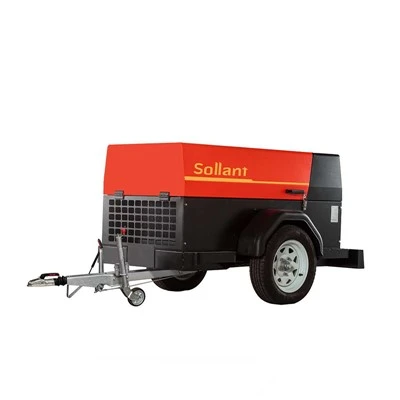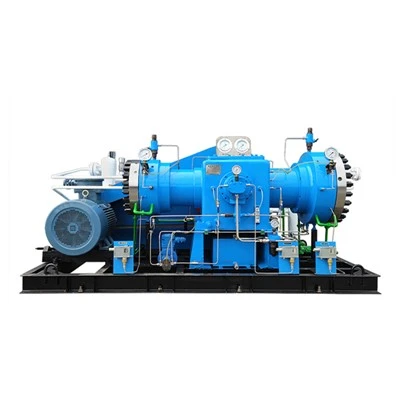
Hey there! As a supplier of LPG compressors, I often get asked a really interesting question: Can an LPG compressor be used for liquefied natural gas (LNG) as well? It's a question that has a lot of layers to it, so let's dive right in and break it down.


First off, let's talk a bit about what LPG and LNG are. LPG, or liquefied petroleum gas, is a mixture of hydrocarbon gases, mainly propane and butane. It's commonly used for heating, cooking, and in some vehicles. On the other hand, LNG, or liquefied natural gas, is primarily methane that has been cooled to a very low temperature (-162°C or -260°F) to turn it into a liquid. This makes it easier to store and transport.
Now, let's look at the compressors. An LPG compressor is designed to handle the specific properties of LPG. LPG is typically compressed at a relatively moderate pressure compared to some other gases. The compressor has to be able to handle the specific chemical composition of LPG, its vapor pressure, and its flammable nature.
When it comes to LNG, things are a bit different. The low temperature of LNG is a major factor. LNG compressors need to be built to withstand these extremely cold conditions. The materials used in the compressor need to be able to contract and expand properly at low temperatures without cracking or failing. The seals and gaskets also have to be specially designed to prevent leaks in the cold environment.
One of the key differences between LPG and LNG is their energy content and combustion characteristics. LPG has a higher energy density per unit volume when it's in its liquid state compared to LNG. This means that the compressor has to work differently to handle the compression of each gas. The compression ratio, the amount of pressure needed to compress the gas, can vary significantly between LPG and LNG.
Another aspect to consider is the safety requirements. Both LPG and LNG are flammable, but the safety protocols for handling them are different. LNG requires more strict safety measures due to its low temperature and the potential for rapid vaporization if it comes into contact with a warmer surface. An LPG compressor may not have all the necessary safety features to handle LNG safely.
So, can an LPG compressor be used for LNG? In most cases, the answer is no. The differences in temperature, chemical composition, compression requirements, and safety features are just too significant. However, there might be some very specific situations where an LPG compressor could potentially be modified to work with LNG. But this would require a thorough engineering analysis and a lot of testing to ensure that it's safe and efficient.
If you're in the market for a compressor for LNG, you'll need to look for a compressor that is specifically designed for that purpose. There are different types of compressors available for LNG, such as reciprocating compressors and centrifugal compressors. Each type has its own advantages and disadvantages depending on the specific application.
Now, as a supplier of LPG compressors, we have a wide range of high - quality compressors for all your LPG needs. Our compressors are built with the latest technology and are designed to be reliable and efficient. We understand the importance of safety and performance when it comes to handling LPG, and our products are tested rigorously to meet the highest standards.
If you're also interested in other types of compressors, we can point you in the right direction. For example, if you need an Oxygen Compressor, we can provide you with information on the best options available. Oxygen compressors have their own unique requirements, especially when it comes to safety due to the highly reactive nature of oxygen.
We also have knowledge about Gas Compressor in general. Diaphragm compressors are a great option for many applications as they offer a high level of purity and are suitable for handling a variety of gases.
And if you're dealing with biogas, our Biogas Compressor information can be really useful. Biogas compressors need to be able to handle the specific composition of biogas, which usually contains methane, carbon dioxide, and other trace gases.
If you're thinking about purchasing a compressor, whether it's for LPG or other gases, we're here to help. We can provide you with detailed product information, technical support, and even customized solutions based on your specific requirements. Don't hesitate to reach out to us to start a conversation about your compressor needs. We're always happy to assist you in finding the best compressor for your application.
In conclusion, while an LPG compressor is not typically suitable for LNG, we have a lot of expertise in the compressor field. Whether it's LPG, oxygen, general gas, or biogas, we can offer you the right solutions. So, if you're in the market for a compressor, get in touch with us, and let's work together to find the perfect fit for your business.
References
- Handbook of Natural Gas Transmission and Processing: Principles and Practices by Mokhtar A. Al - Masri
- Compressors: Selection and Sizing by Heinz P. Bloch and Fred K. Geitner